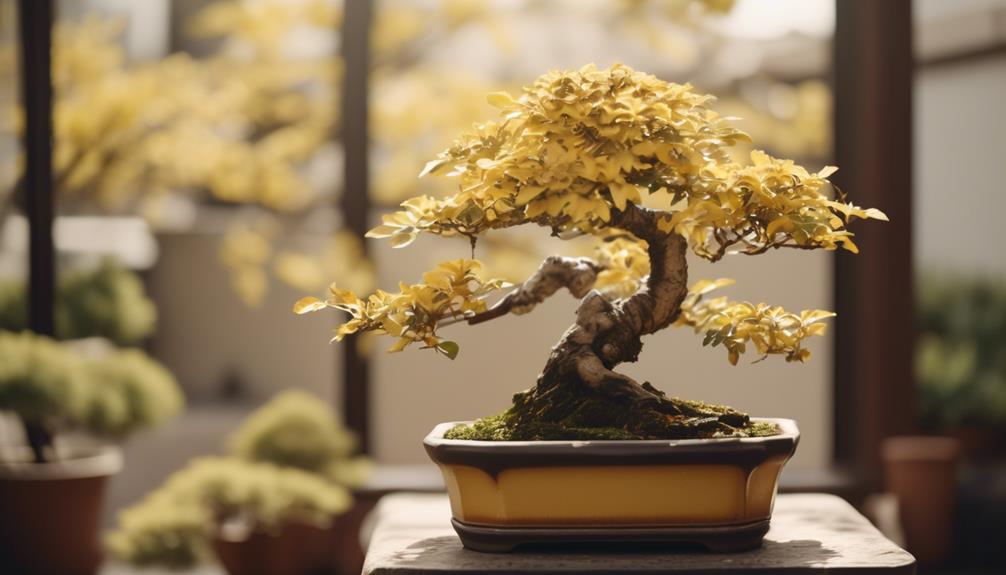
Did you know that 80% of Common Bonsai Tree Care Mistakes owners make common care mistakes that can harm their beloved trees? Taking care of bonsai trees requires attention to detail and a deep understanding of their specific needs.
In this discussion, we will explore five of the most common bonsai tree care mistakes, ranging from overwatering to neglecting tree rotation.
By avoiding these pitfalls, you can ensure the longevity and beauty of your bonsai tree collection.
So, let’s dive into the world of bonsai tree care and discover how to keep these miniature masterpieces thriving.
Overwatering And Common Bonsai Tree Care Mistakes
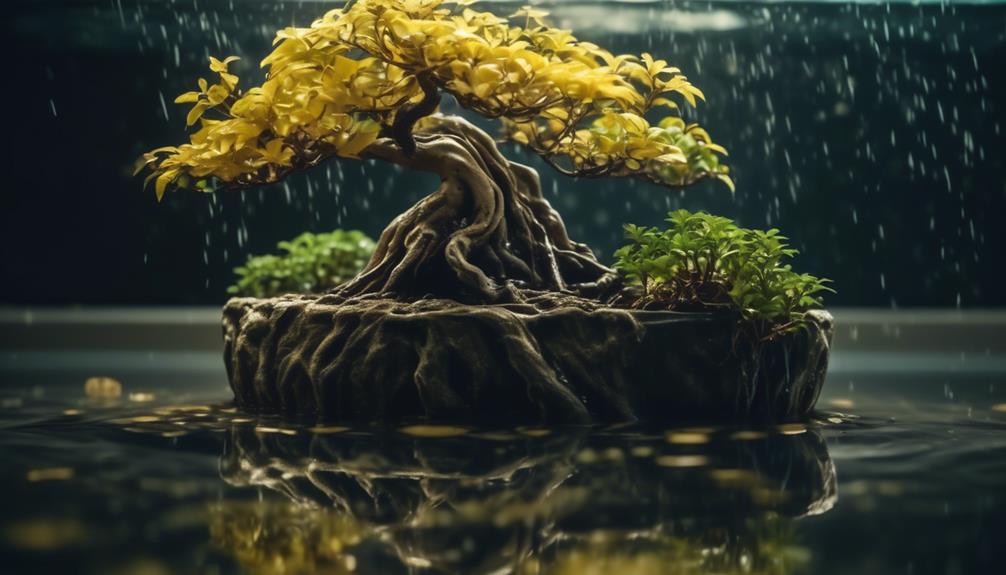
Overwatering is a common mistake that new bonsai growers often make, which can have detrimental effects on the health and longevity of their bonsai trees. Water is essential for the survival of any plant, including bonsai trees. However, too much water can be just as harmful as too little.
When you overwater your bonsai tree, the excess water can accumulate in the soil and prevent the roots from receiving adequate oxygen. This lack of oxygen can cause the roots to rot, leading to irreversible damage to the entire tree.
One of the main reasons why overwatering is a common mistake is the fear of underwatering. New bonsai growers often think that watering their trees frequently will ensure their survival. However, constantly wetting the roots can harm the bonsai more than it helps.
It’s crucial to allow the soil to dry out slightly between waterings, as this promotes healthy root growth and prevents waterlogged conditions. Understanding the specific watering needs of your bonsai species is essential to avoid overwatering. Different species have different requirements, and it’s important to research and learn about your bonsai’s specific needs.
Neglecting Fertilization
Failing to properly fertilize your bonsai tree can have significant consequences for its overall health and longevity. Neglecting fertilization is one of the most common bonsai tree care mistakes that beginners make. Bonsai trees, being confined to small pots, have limited access to nutrients in the soil. Without regular fertilization, these trees can become depleted of essential nutrients, leading to poor health and even death.
When it comes to fertilizing your bonsai tree, it’s essential to choose the right type of fertilizer. Bonsai-specific fertilizers are available and are formulated to meet the unique needs of these miniature trees. These fertilizers contain the necessary balance of nutrients, including nitrogen, phosphorus, and potassium, to support the tree’s growth and overall health.
In addition to choosing the right fertilizer, it’s crucial to follow a proper fertilization schedule. Bonsai trees require regular feeding during the growing season, typically from spring to autumn. However, it’s important to avoid over-fertilizing, as this can be harmful to the tree. Following the manufacturer’s instructions and monitoring the tree’s response to fertilization is key to ensuring its health and well-being.
Improper Indoor Care
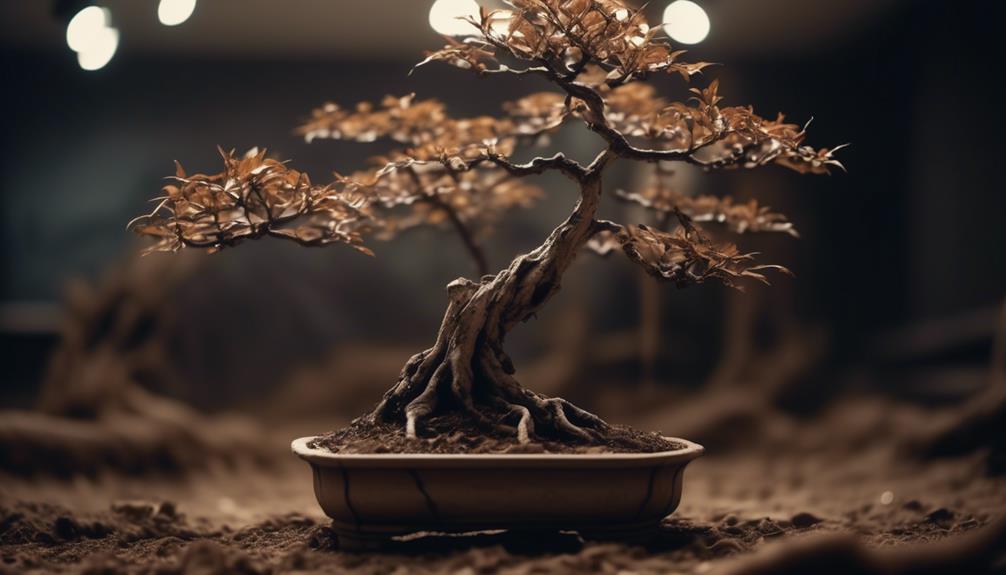
Improper indoor care can have detrimental effects on the health and growth of bonsai trees, leading to yellowing leaves and stunted growth in outdoor varieties like junipers. Indoor bonsai trees require specific conditions to thrive, and neglecting these requirements can result in unhealthy plants.
One key aspect of indoor bonsai care is providing adequate sunlight. Bonsai trees need to be placed in areas that receive sufficient light, as lack of proper sunlight exposure can negatively impact their growth. However, it’s important to note that tropical bonsai trees shouldn’t be kept indoors long-term, as they require high humidity and more intense light conditions.
Another crucial factor in indoor bonsai care is watering. The frequency of watering your bonsai will depend on the soil it’s planted in. It’s essential to find the right balance, as over-watering can lead to root rot and eventual death of the plant. On the other hand, underwatering can cause the bonsai to dry out and suffer from dehydration. Regularly checking the moisture level of the soil and adjusting your watering routine accordingly is vital for maintaining a healthy bonsai.
To provide the best care for your indoor bonsai, it’s important to create an environment that mimics their natural habitat. Placing your bonsai in areas with high humidity, such as near a humidifier or on a humidity tray, can help prevent the leaves from drying out. Additionally, ensuring that your bonsai receives the appropriate amount of light by positioning it near a window or using artificial grow lights can promote healthy growth.
Incorrect Pruning Techniques
Incorrect pruning techniques can have detrimental effects on the health and growth of bonsai trees, compromising their overall vitality and aesthetic appeal.
One common mistake is cutting off the bright green tips of the tree, which are a source of energy for junipers. This can weaken the tree and hinder its ability to thrive.
Instead, pruning should involve trimming back longer foliage at the base of branches to maintain the tree’s health. It’s important to avoid cutting off the bright green tips as they play a crucial role in the tree’s vitality.
To ensure proper pruning, start by removing any diseased or broken branches. This will help the tree recover and promote healthy growth.
Following a pruning guide is essential to prevent harm to the bonsai tree. By using correct pruning techniques, you can help your bonsai tree flourish and maintain its beauty.
Neglecting Tree Rotation
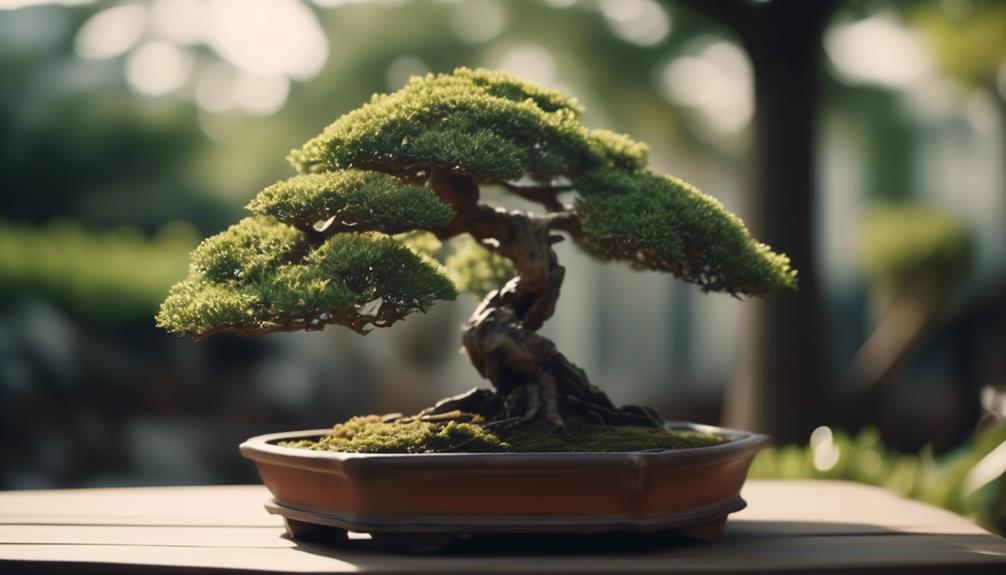
Properly rotating your bonsai tree is essential for promoting balanced and healthy growth, ensuring that every side receives equal sunlight exposure. Neglecting tree rotation is one of the common bonsai tree care mistakes that can have negative consequences for your tree.
When you fail to rotate your bonsai tree, one side may receive more light than the other, resulting in lopsided growth. This uneven growth not only affects the aesthetic appeal of your tree but can also lead to potential damage.
Regularly rotating your bonsai tree allows for even development and prevents the need for corrective pruning later on. By rotating the tree, you can ensure that all sides receive an equal amount of sunlight, which is crucial for the tree’s overall health. Sunlight is essential for photosynthesis, the process through which trees convert sunlight into energy. Without proper sunlight exposure, your bonsai tree may not be able to produce enough energy to support its growth.
In addition to sunlight, water is also important for the health of your outdoor bonsai tree. Neglecting tree rotation can affect the distribution of water to different parts of the tree. When one side receives more sunlight, it also tends to retain a lot of water, which can lead to overwatering and root rot. Remember that water can kill your bonsai tree if not managed properly.
To avoid these problems, make it a habit to rotate your bonsai tree regularly. This simple practice will help ensure balanced growth and maintain the overall health and aesthetic appeal of your bonsai tree.
Frequently Asked Questions
What Not to Do With a Bonsai Tree?
When caring for a bonsai tree, it’s important to know what not to do. Avoid improper pruning techniques, wrong soil composition, inconsistent fertilizer application, choosing the wrong pot, and not meeting its sunlight requirements.
What Does an Unhealthy Bonsai Tree Look Like?
An unhealthy bonsai tree can have wilted or discolored leaves, stunted growth, or excessive leaf loss. It may also show signs of stress like wilting or drooping. Overall, it will lack vigor and vitality.
What Does an Overwatered Bonsai Tree Look Like?
If you overwater your bonsai tree, signs of overwatering may include yellow or browning leaves, waterlogged soil with a sour smell, root rot with dark and mushy roots. Prevent overwatering by understanding the water needs and using proper watering techniques.
How Do I Know if My Bonsai Tree Is Happy?
To know if your bonsai tree is happy, look for signs of a thriving tree. Pay attention to its overall appearance, vibrant foliage, and healthy root system. Understand its specific needs, avoid common mistakes, and provide proper care to ensure its happiness.
Conclusion
In conclusion, proper care and maintenance of bonsai trees is essential for their health and longevity. Avoiding common mistakes such as overwatering, neglecting fertilization, improper indoor care, incorrect pruning techniques, and neglecting tree rotation is key to ensuring the optimal growth and beauty of your bonsai.
By finding the right balance of watering, providing adequate nutrients, creating the right environment, and practicing proper pruning, you can enjoy the elegance and tranquility of a well-cared-for bonsai tree.