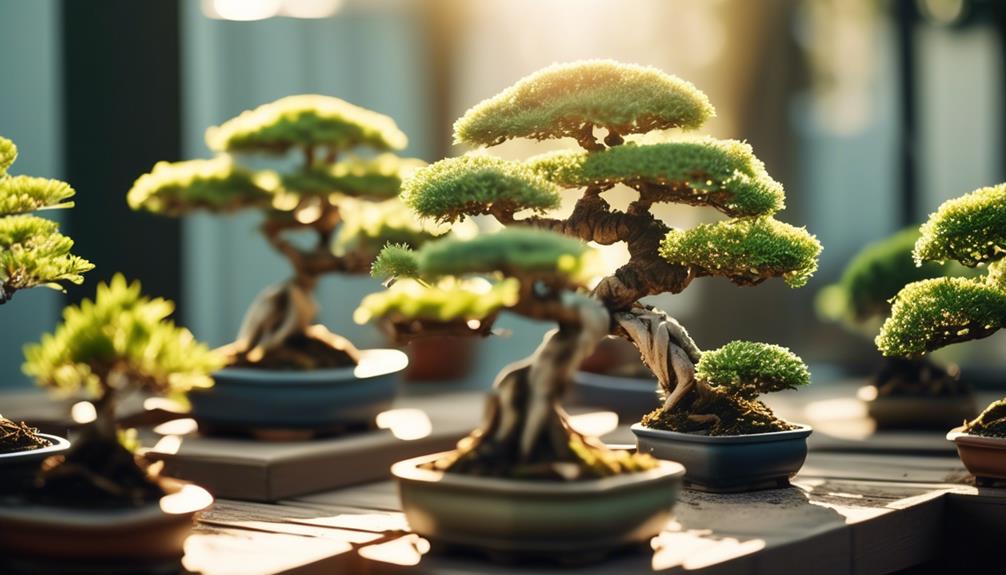
Despite what you might think, caring for a bonsai tree isn’t as daunting as it may seem Impressive Recommendations for Bonsai Tree Care.
Imagine being able to cultivate a miniaturized yet robust version of nature right in your living room, a unique blend of horticulture and art that epitomizes patience and finesse.
You’re not merely growing a tree; you’re crafting a living sculpture, a testament to the beauty and resilience of nature, captured in a small pot.
With the right knowledge and techniques, you can unlock the secrets to nurturing these remarkable trees.
Intrigued? Stay with us as we journey into the world of bonsai, where science meets serenity.
Understanding Bonsai Tree Basics for Impressive Recommendations for Bonsai Tree Care
Delving into the art of bonsai, it’s crucial to grasp the basics – nurturing your tree through appropriate growth and pruning, selecting a visually pleasing pot, mastering watering techniques, understanding fertilization needs, and choosing the right soil.
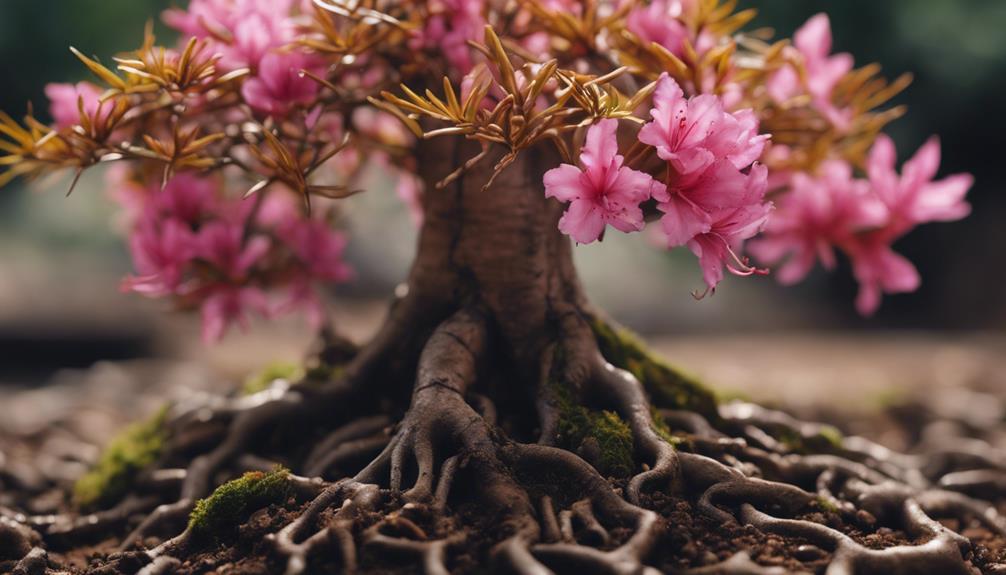
Your bonsai tree’s care and styling are paramount to its health and aesthetic appeal. Start by allowing your bonsai trees to grow uninterrupted before you consider pruning. Aim for tiny improvements, and be sure to avoid excessive pinching and snipping.
When it comes to pot selection, it’s all about harmony and aesthetic appeal. Perhaps you might even consider kokedama as an alternative. Remember, the pot is part of the visual narrative of your bonsai, so choose wisely.
Watering your bonsai requires finesse. Practice dip watering or submerging when dry, and adjust the frequency based on your tree species’ needs. Indoor Bonsai may require different watering schedules than outdoor ones.
Fertilization is a must for an optimal root system. Use standard fertilizers or seek organic options with an NPK ratio close to 5:5:5.
Lastly, the soil. Good drainage is key. Consider Akadama bonsai soil, moler clay, or diatomaceous earth to ensure your growing Bonsai thrives.
Optimal Indoor and Outdoor Conditions And Recommendations for Exceptional Bonsai Tree Care
Navigating the world of bonsai care, it’s essential to understand that your tree’s living conditions – be it indoor or outdoor – significantly impact its overall health and growth. Your bonsai’s environment influences everything from soil moisture to how often you’ll need to water it.
In indoor conditions, bonsai trees require ample direct sunlight or a grow light to flourish. Pay attention to temperature and humidity, ensuring they mirror the tree’s natural habitat. Indoor bonsai often necessitate more frequent watering due to dry indoor air.
Outdoor conditions permit a bonsai to experience natural weather variations, beneficial during its growing season. However, be cautious of extreme temperatures or weather conditions. Most bonsai prefer direct sunlight but not in the heat of the day, and the soil should be consistently moist but not waterlogged.
Regardless of indoor or outdoor conditions, repotting every two to five years is vital to give your bonsai fresh soil, room to grow, and prevent root-bound conditions. Remember, the key to bonsai tree care is mimicking the tree’s natural conditions as closely as possible, and adjusting care routines to cater to its specific needs.
Essential Bonsai Care Techniques
Building on the foundation of creating optimal living conditions for your bonsai, let’s now explore essential bonsai care techniques to ensure your tree not only survives, but truly thrives. Keeping a bonsai tree, whether a tropical bonsai or not, requires care and attention. Bonsai is a Japanese art form that needs diligent upkeep.
Firstly, allow your bonsai to grow uninterrupted in spring and early summer. Look for signs of budding and new growth. This is the optimal time to prune your bonsai, encouraging a healthier and more aesthetic form.
When repotting, pay careful attention to the roots. Choose a pot that harmonizes with the tree’s appearance and enhances its visual appeal. This is an art form in itself!
Watering is crucial in bonsai care. Dip watering can be effective for small bonsai collections. Submerge the entire pot underwater when the soil becomes dry. Remember, the watering frequency depends on the tree’s moisture needs.
Lastly, fertilize your bonsai regularly with standard houseplant or garden fertilizers. This keeps your bonsai healthy and thriving.
These are the top recommendations for exceptional bonsai tree care to help your little tree flourish in its miniature landscape.
Shaping and Styling Bonsai
Now let’s turn our focus to the exciting aspect of bonsai care – shaping and styling your tree, an artful process that involves gentle pruning techniques, careful pot selection, and innovative approaches to create a miniature masterpiece. In this section, we’ll share our top recommendations for exceptional bonsai tree care.
Here are the critical steps you need to follow:
- Begin shaping and styling your bonsai in late winter or early spring. This is the time when the Bonsai receives optimal sunlight and growth energy.
- Pay careful attention to the root mass. Avoid cutting into the bark unnecessarily. Preserve specific characteristics that make your tree unique.
- Choose a pot that complements your bonsai’s aesthetic. This pot selection process requires a keen eye for harmony and balance.
- Your bonsai requires regular watering and fertilization. Create a routine that keeps your tree hydrated and nourished.
- Lastly, select soil that retains moisture and nutrients while offering good drainage.
Addressing Common Bonsai Issues
Caring for a bonsai tree is an art, and tackling common issues such as incorrect watering, poor light positioning, pest infestations, or root problems can often feel like a daunting task. But don’t worry, we’re here to guide you through addressing common bonsai issues.
The first step is ensuring proper watering. Place your bonsai in a tray filled with water, allowing the root ball to absorb moisture from the bottom up. This helps water drain through the soil properly, preventing waterlogging and root rot. However, be careful not to let excess water sit in the tray as it can damage the roots.
Lighting is another crucial factor. Research the light requirements for your specific bonsai and position it accordingly. Too much or too little light can harm your tree.
Regularly inspect your trees for any signs of pests. Early detection is the best preventative measure. Treat any infestations swiftly with appropriate pesticides.
Lastly, check the root ball during repotting. Trim any damaged or overcrowded roots to promote healthy growth. Remember, bonsai care is a labor of love. With these top recommendations for exceptional bonsai tree care, you’re well on your way to mastering this art.
Frequently Asked Questions
What Is the Best Way to Take Care of a Bonsai Tree?
You’ll want to carefully manage watering techniques, soil selection, and pruning practices. Regular bonsai repotting, root management, fertilizing, and pest prevention are key. Don’t forget disease diagnosis, temperature control, and meeting light requirements.
What Is the Hardest Bonsai to Care For?
You’ll find temperate bonsai such as pine, azalea, juniper, maple, and cedar the hardest to care for due to their need for winter dormancy. Bonsai maintenance, pruning, repotting, and training add to the challenge.
How Do I Keep My Bonsai Tree Happy?
To keep your bonsai tree happy, apply bonsai pruning techniques, adjust watering frequency seasonally, fertilize regularly, prevent diseases, report for root maintenance, meet sunlight requirements, manage insects, and maintain bonsai aesthetics. Remember, every bonsai’s needs are unique.
What Are the Best Conditions for Indoor Bonsai Trees?
You need bright indoor lighting, controlled temperatures, and proper humidity levels for your bonsai. Master watering techniques, soil selection, pest control, and pruning practices. Regular repotting, correct fertilizer choices, and seasonal adjustments are also crucial.