
Best Soil Mixes for Healthy Bonsai Tree Growth and So you’ve just acquired a beautiful Japanese maple bonsai tree and you’re eager to provide it with the best possible care. One key factor in ensuring healthy growth for your bonsai is choosing the right soil mix.
But with so many options available, where do you even begin? In this discussion, we’ll explore the eight best soil mixes for healthy bonsai tree growth, providing you with practical insights and tips to help you make an informed decision.
From the refined conifer soil mix to the azalea bonsai soil mix, we’ll cover a range of options tailored to different bonsai species.
So, let’s dig in and discover the secrets to cultivating thriving bonsai trees!
Refined Conifer Soil Mix And Best Soil Mixes for Healthy Bonsai Tree Growth
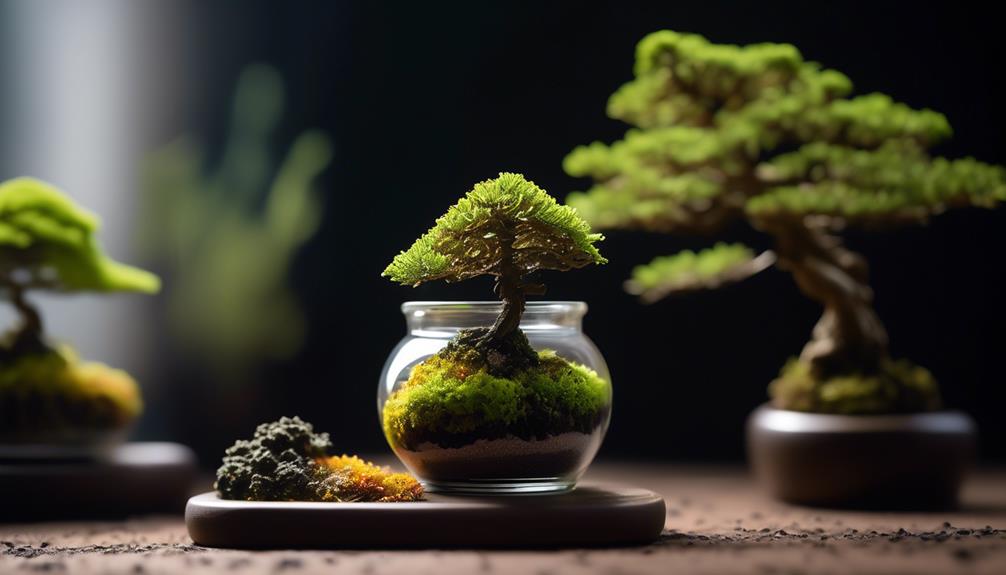
To optimize the growth of your coniferous bonsai tree, look no further than the refined conifer soil mix – a carefully balanced blend of akadama, pumice, and lava rock designed to provide ideal water retention and aeration for your tree’s roots.
This bonsai soil mix is specifically tailored to cater to the unique needs of coniferous trees, ensuring healthy root development and overall tree health.
The refined conifer soil mix consists of three key components: akadama, pumice, and lava rock. Akadama, a type of clay, acts as the organic component, providing essential nutrients and promoting good drainage. Pumice and lava rock, on the other hand, are responsible for creating a well-draining environment, ensuring that excess water doesn’t accumulate in the roots, which can lead to root rot.
One of the key advantages of this soil mix is its ability to retain water while also providing good aeration. The akadama in the mix has excellent water retention properties, ensuring that your bonsai tree receives adequate moisture. At the same time, the pumice and lava rock create air pockets in the soil, allowing oxygen to reach the roots, promoting healthy root growth.
Deciduous Species Soil Mix
Looking to optimize the growth of your deciduous bonsai tree? Look no further than the specially formulated deciduous species soil mix, designed to provide the perfect balance of water retention and aeration for your tree’s roots. This unique mix is tailored to meet the specific needs of deciduous species, ensuring their health and vitality.
Deciduous species soil mix typically contains a higher percentage of akadama, around 80%. Akadama is a volcanic clay that retains moisture while also allowing for proper airflow, creating an ideal environment for root development. This mix promotes better water retention and aeration, which are crucial for the growth of deciduous bonsai trees.
The organic matter in the soil mix helps to retain moisture and provide essential nutrients to the tree’s roots. Additionally, the mix may also contain ingredients such as lava rock, which aids in drainage and prevents soil compaction.
By using this specially formulated deciduous species soil mix, you can create the optimal conditions for your bonsai tree’s growth. It will provide the necessary environment for the roots to thrive and develop optimally, ensuring that your tree remains healthy and vibrant.
Whether you’re a beginner or an experienced bonsai enthusiast, this DIY bonsai soil mix is a must-have for the successful cultivation of deciduous bonsai trees. So, give your tree the best chance for growth and vitality by using the right soil mix for its specific needs.
Pre-Bonsai Soil Mix

If you’re ready to take the next step in cultivating your bonsai tree, it’s time to explore the world of Pre-Bonsai soil mixes and discover the key to healthy root development and growth.
Pre-Bonsai soil mix is a crucial component in creating the perfect environment for your bonsai tree to thrive. Here are three important things you need to know about Pre-Bonsai soil mix:
- Balanced Blend of Components: Pre-Bonsai soil mix consists of a balanced blend of components such as akadama, pumice, lava rock, and organic matter. This combination provides the necessary nutrients and drainage for your bonsai tree’s roots to grow strong and healthy.
- Particle Size Matters: The particle size of the Pre-Bonsai soil mix is crucial for promoting root growth and ensuring proper aeration and drainage. The mix should have a variety of particle sizes to allow for both water retention and good airflow.
- Regular Monitoring and Watering: Regular monitoring and appropriate watering are essential for maintaining the health and vitality of bonsai trees grown in Pre-Bonsai soil mix. It’s important to check the moisture level of the soil and water accordingly to prevent over or under-watering.
Tropical Bonsai Soil Mix
For optimal growth and vitality of your tropical bonsai tree, selecting the right soil mix is crucial. The best bonsai soil mix for tropical bonsai trees consists of a balanced ratio of akadama, pumice, and lava rock. These components provide the perfect combination of water retention, aeration, and drainage, creating an ideal environment for healthy bonsai tree growth.
Akadama is a popular choice for bonsai soil mixes due to its ability to retain moisture while still allowing for proper drainage. Pumice and lava rock, on the other hand, provide excellent aeration and prevent the soil from becoming too compacted. Together, these three components create a contextually relevant soil mix that meets the specific needs of tropical bonsai trees.
When using a tropical bonsai soil mix, it’s essential to consider proper watering and moisture retention. These trees thrive in environments with consistent moisture levels, so it’s crucial to water them regularly and monitor the moisture content of the soil. However, it’s equally important to avoid overwatering, as this can lead to root rot and other health issues.
In some cases, certain soil components may be unavailable or expensive. In such situations, it’s important to find suitable substitutes that can still provide the necessary properties for the tropical bonsai soil mix. Ensuring that the tree’s specific needs are met is key to maintaining its health and vitality.
Broadleaf Evergreen Soil Mix

To create an optimal growing environment for your broadleaf evergreen bonsai tree, a well-balanced soil mix is essential. The broadleaf evergreen soil mix consists of akadama, pumice, lava rock, organic matter, and perlite. This mix provides good drainage and aeration, which are crucial for the healthy growth of your tree.
Here are three important things to consider when using the broadleaf evergreen soil mix:
- Balanced Particle Size: The soil mix should have a balanced particle size to support both fine and coarse root development. This allows the roots to penetrate the soil easily and absorb water and nutrients effectively.
- Watering Frequency: Adjust your watering frequency based on the soil’s moisture retention and the specific needs of your tree. Broadleaf evergreen bonsai trees prefer slightly moist soil, so make sure not to overwater. The well-draining nature of the soil mix helps decrease the risk of root rot.
- Suitable Substitutes: If any components of the broadleaf evergreen soil mix are expensive or unavailable, consult with bonsai enthusiasts for suitable substitutes. They can recommend alternative materials that will work well for your tree’s health.
Azalea Bonsai Soil Mix
When creating the ideal growing environment for your azalea bonsai tree, the right soil mix is essential for its health and vitality. Azalea bonsai soil mix is specifically formulated to meet the unique needs of azalea bonsai trees. It typically consists of components such as akadama, pumice, lava rock, kanuma, and organic matter. One key difference between azalea bonsai soil mix and other mixes is the higher proportion of kanuma, as azaleas are acid-loving plants.
The composition of the soil mix is designed to provide good water retention, adequate aeration, and an acidic environment, which are all crucial for the healthy growth of azalea bonsai trees. The large particle size of the components promotes good drainage while still retaining enough moisture for the trees’ needs. The use of akadama, a type of clay, contributes to the soil mix’s water retention properties.
To ensure the health and vitality of your azalea bonsai tree, it’s important to monitor and adjust the watering frequency based on weather conditions and the moisture-retaining properties of the soil mix. Regularly check the soil’s moisture level by inserting your finger about an inch into the soil. If it feels dry, it’s time to water your bonsai.
Notable Exceptions in Soil Mixes
In certain cases, you may find it beneficial to incorporate alternative soil components into your bonsai soil mix, allowing for flexibility and adaptation to specific plant requirements. Here are some notable exceptions to consider:
- Regular Potting Soil: As a substitute for akadama, regular potting soil can be used in your bonsai soil mixture. While it may not have the same water-retaining properties as akadama, it can still provide adequate drainage and nutrient retention. However, keep in mind that regular potting soil may contain fine dust particles that can clog the fine roots of your bonsai tree.
- Fish Emulsion or Organic Meals: If you’re unable to find kanuma, you can use fertilizers like fish emulsion or organic meals to provide the acidic properties needed for certain plants. These alternatives can help maintain the proper pH balance in the soil, promoting healthy growth for your bonsai.
- Bark and Lava Rock: In the absence of azalea-specific bonsai soils like kanuma, you can create an alternative mix using bark and lava rock. This mixture can provide good drainage while still retaining some moisture, making it suitable for azaleas.
Final Thoughts on Bonsai Soil Mixes
If you’re looking to achieve optimal tree growth, it’s important to keep a few final thoughts in mind when it comes to bonsai soil mixes. As mentioned earlier, finding the best bonsai soil mix can be a matter of experimentation and adjustment. Different bonsai species have unique needs, so don’t be afraid to try out different mixes to find what works best for your tree.
Remember to consider the particle size in the soil mix, as this plays a crucial role in root development. Finer particles provide extra water retention, while coarser particles promote better aeration.
Once you have found a mix that works well for your bonsai, it’s crucial to adjust your watering frequency accordingly. Pay attention to weather conditions and the specific needs of your tree species to prevent overwatering or wilting.
It’s also worth noting that some components of bonsai soil mixes can be expensive or unavailable. In such cases, don’t hesitate to seek advice from local experts who may suggest suitable substitutes.
Frequently Asked Questions
What Is the Best Soil Mix for Bonsai?
The best soil mix for your bonsai depends on factors like the tree species and growth stage. It’s important to balance organic and inorganic components, consider essential nutrients, and ensure proper drainage. Experimentation and expert advice can help you create the perfect mix.
Can I Use Miracle Gro Potting Mix for Bonsai?
You can’t use Miracle Gro Potting Mix for bonsai. It has too much organic matter, which leads to poor drainage and root rot. Bonsai needs well-draining soil with good aeration for healthy growth.
What Is a Good Substitute for Bonsai Soil?
A good substitute for bonsai soil could be a mixture of organic alternatives like regular potting soil, compost, and perlite. These options provide a nutrient-rich soil composition, water retention substitutes, and pH neutral options for healthy bonsai tree growth.
How Do You Grow a Healthy Bonsai Tree?
To grow a healthy bonsai tree, you need essential tools for pruning, choosing the right pot, and styling techniques. Follow a watering schedule, watch out for pests and diseases, repot when needed, and consider beginner-friendly species and indoor/outdoor care. Don’t forget seasonal maintenance.
Conclusion
In conclusion, choosing the right soil mix for your bonsai tree is essential for its overall health and vitality.
By considering the specific needs of your bonsai species, such as the composition ratios and particle size of the soil, you can ensure healthy root growth.
Additionally, proper watering techniques and substitutes for expensive or unavailable soil components can be helpful.
Remember, a well-crafted soil mix will provide the necessary nutrients and drainage for your bonsai’s healthy growth and long-term success.