Bonsai Tree Maintenance
You may think Bonsai Tree Maintenance is an exclusive dining spot for pests, but fear not, there are strategic ways to combat these unwelcome guests.
From the stealthy scale insects to the pesky aphids, each pest comes with its own challenges. Understanding their behavior and employing effective treatments will be your best defense.
Stay tuned to uncover the secrets of identifying and eradicating these common pests, ensuring your bonsai thrives in a pest-free environment.
Scale Insects: Damage and Treatment
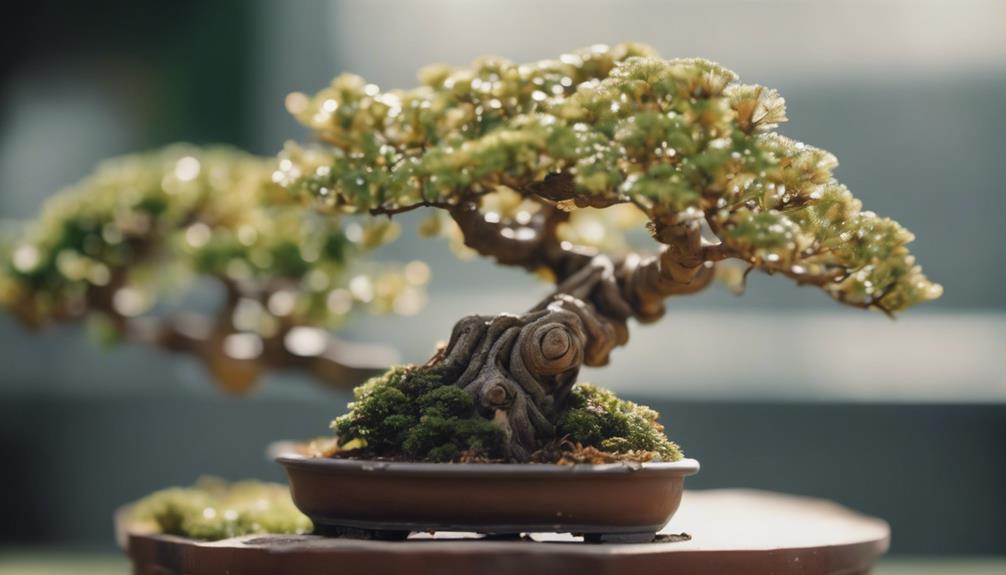
When dealing with scale insects in bonsai tree maintenance, identifying their presence early is essential to prevent significant damage to your precious trees. These pests feed on sap, leading to stunted growth and the secretion of sticky honeydew, which can attract other harmful insects and cause further harm. You can recognize scale insects by the small circular bumps they create on the stems, leaves, or branches of your bonsai trees.
To tackle scale insect infestations, consider using White Oil, Conguard, or Lime Sulfur as effective treatment options. Regular inspection and prompt treatment are vital to stop these pests from spreading and causing lasting damage to your bonsai trees. By applying the appropriate treatment method, you can effectively control scale insects and protect the health and beauty of your miniature trees. Stay vigilant and proactive in managing scale insects to ensure the well-being of your bonsai collection.
Aphids: Identification and Management
In the care of bonsai trees, the identification and management of aphids play a crucial role in preserving the vitality and beauty of your miniature arboreal creations. Aphids, as sap-sucking insects, can cause significant damage to bonsai trees by feeding on the sap, resulting in symptoms like yellowing foliage, wilting leaves, and eventual leaf drop.
These pests are often found clustered on the undersides of leaves, appearing in various colors such as green, yellow, or black. To prevent damage to your bonsai trees, it’s essential to employ effective management strategies promptly. Utilizing sprays like Conguard or White Oil can help control aphid infestations.
Regular inspection is key as aphids reproduce rapidly, making early intervention crucial. By controlling aphids efficiently, you can ensure the continued health and appearance of your bonsai trees, promoting optimal growth and development.
Spider Mites: Control and Prevention
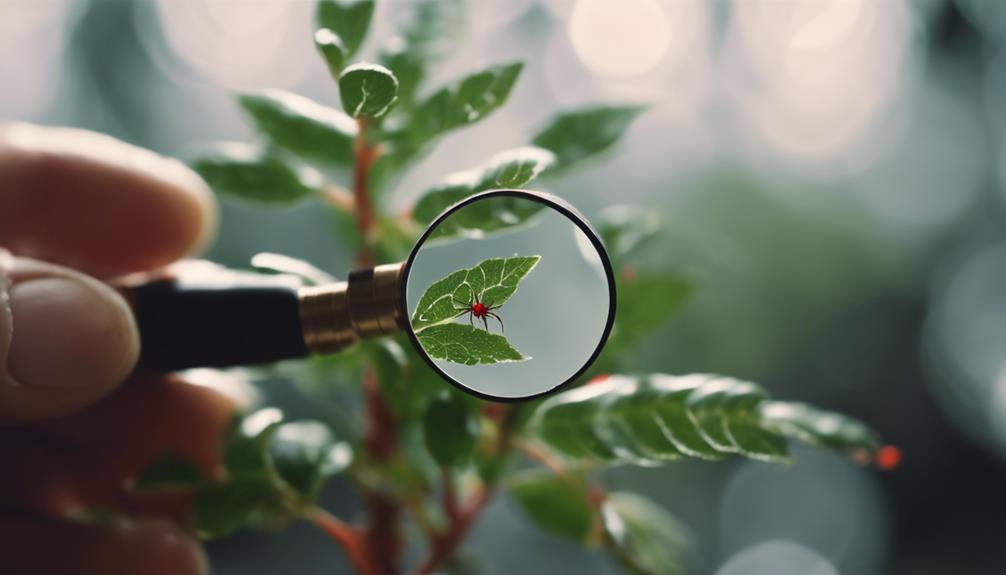
Transitioning from managing aphids to addressing spider mites in bonsai tree maintenance, you must now focus on controlling and preventing these tiny arachnids to safeguard the health and resilience of your miniature arboreal masterpieces.
Identifying spider mites can be tricky due to their size, but look out for yellow or brown spots on leaves and fine webbing. Once you spot these signs, swift action is crucial to prevent the damage caused by their feeding habits. Employing Lime Sulfur treatment is an effective method for eliminating spider mites, requiring re-spraying every 2 weeks until eradication.
To prevent cross-contamination and further infestation, consider increasing humidity around your bonsai trees and introducing natural predators. Insecticidal sprays can also aid in controlling spider mite populations. Regular monitoring of your trees is imperative, enabling you to promptly address any signs of spider mite activity. Remember, quick and decisive treatment is key to preserving the health and beauty of your bonsai collection.
Mealybugs: Treatment on Bonsai Trees
To effectively combat mealybugs infesting your bonsai trees, meticulous treatment methods are essential to preserve the health and aesthetics of your miniature botanical wonders. Mealybugs, identified by the white, powdery substance they produce on leaves and branches, can wreak havoc on stressed bonsai trees, causing wilting, stunted growth, and the development of sooty mold.
When addressing mealybugs, it’s crucial to tackle the sticky substance they leave behind. One effective method is to spray the affected areas with Lime Sulphur, a potent solution that helps eliminate these pests. Regular monitoring of your bonsai trees is key to catching mealybug infestations early on, enabling prompt treatment to prevent further damage.
Caterpillars: Managing Leaf Damage
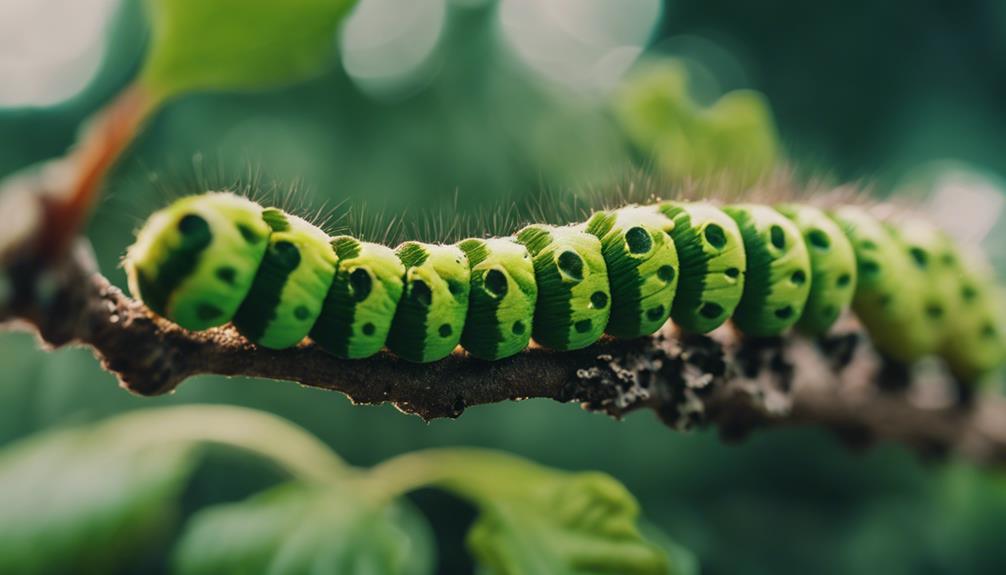
Combatting caterpillars infesting your bonsai trees requires careful attention to managing leaf damage caused by their chewing, which can result in visible holes and irregular patterns on the foliage. Caterpillars leave behind frass near affected areas, indicating their presence.
For minor infestations, handpicking caterpillars can be an effective method of control. Simply inspect the tree regularly and remove any caterpillars you find.
In cases of larger infestations, consider using Bacillus thuringiensis (BT), a naturally occurring bacterium that targets caterpillars while being safe for other beneficial insects.
To prevent caterpillars from laying eggs on your bonsai trees, employ protective barriers like netting. These barriers act as physical deterrents, reducing the chances of future infestations.