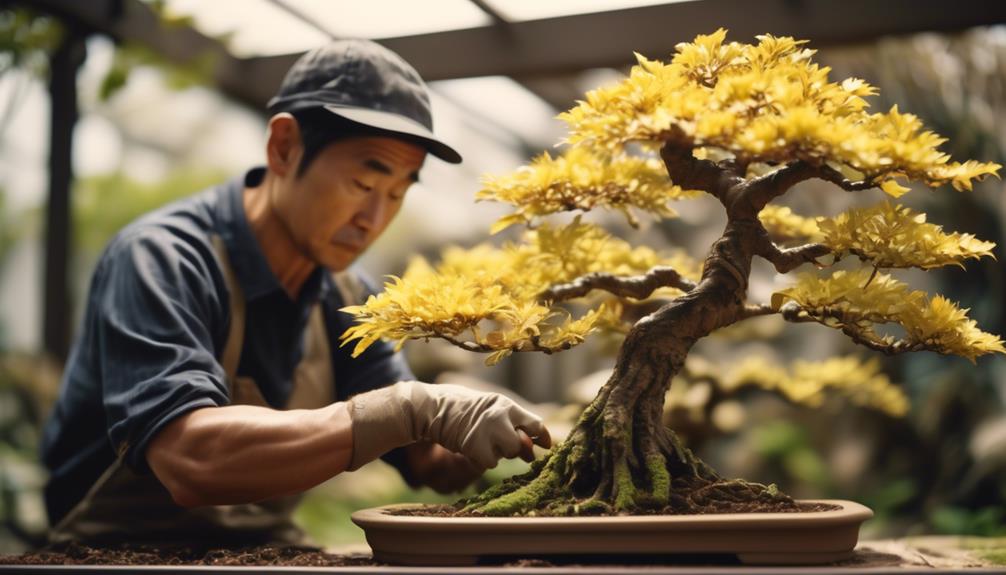
In the delicate art of bonsai tree care, there are Common Mistakes in Bonsai Tree Care that can jeopardize the health and vitality of these miniature masterpieces. Like a delicate balance on a tightrope, one wrong move can upset the equilibrium of your bonsai.
From overwatering that drowns the roots to neglecting to fertilize, these missteps can lead to irreversible damage. But fear not, dear reader, for in this discussion we shall unravel the intricacies of bonsai care, shedding light on the pitfalls to avoid and the proper techniques to embrace.
So, let us delve into the world of bonsai tree care, where meticulousness reigns supreme, and the key to success lies in the details.
Overwatering For Common Mistakes in Bonsai Tree Care,
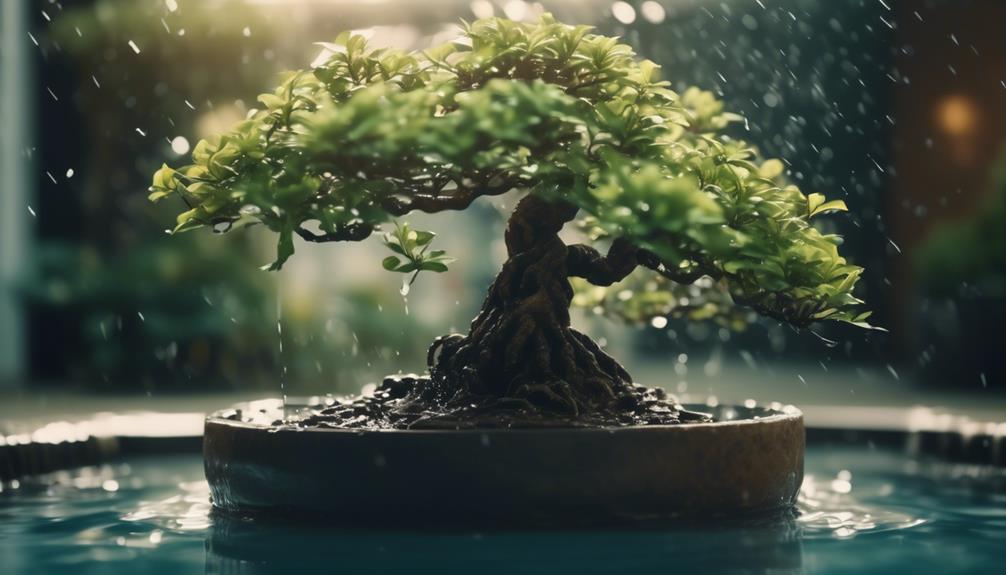
If you want to ensure the health and longevity of your bonsai tree, it’s crucial to avoid the common mistake of overwatering. Overwatering can lead to root rot, which can be detrimental to the health of your bonsai.
One of the most important aspects of bonsai care is understanding the watering needs of your specific tree. Different species of bonsai have different watering frequencies, so it’s essential to do your research and understand the requirements of your particular tree.
It’s also important to consider the humidity and aridity of your environment. Finding the right balance of moisture is key to avoiding overwatering. Consistently wetting the roots for weeks can lead to root rot and other negative effects.
Another common mistake is neglecting your bonsai when you go on a trip. Without proper watering, your bonsai can quickly suffer from lack of water, which can be detrimental to its health. To avoid this, arrange for a plant-sitter who can ensure your bonsai receives the proper care and watering while you’re away.
Lack of Fertilizing
Regular fertilizing is crucial for the health and vitality of your bonsai tree. Bonsai trees, being confined to small pots, have limited access to nutrients in the soil. Therefore, depending solely on the soil for nourishment may not be sufficient for their well-being. Lack of fertilizing can cause the bonsai to suffer from malnutrition, hindering its growth and development. To ensure a healthy bonsai, it’s important to provide it with the necessary nutrients through regular fertilization.
Here are four key reasons why fertilizing is essential for your bonsai tree:
- Nutrient Depletion: Over time, the nutrients in the soil can become depleted, leaving the bonsai lacking in essential elements. Regular fertilizing replenishes these nutrients, ensuring the bonsai receives the necessary nourishment to thrive.
- Malnutrition Prevention: Without proper fertilization, the bonsai may suffer from nutrient deficiencies, resulting in stunted growth, yellowing leaves, and weak branches. Fertilizing helps prevent malnutrition and keeps your bonsai healthy and vibrant.
- Growth Promotion: Fertilizers contain essential nutrients that stimulate root growth, branch development, and overall vigor. By providing these necessary elements, you encourage the bonsai to grow and flourish.
- Soil Improvement: Fertilizers not only nourish the bonsai but also improve the quality of the soil. They enhance soil structure, water retention, and nutrient-holding capacity, creating an optimal environment for the bonsai’s roots to thrive.
Keeping Bonsai Trees Indoors
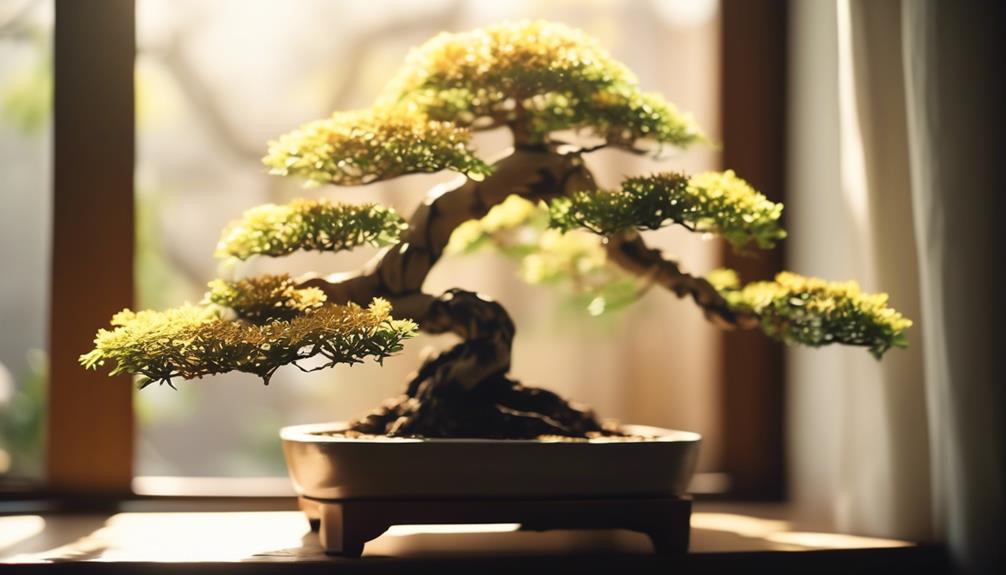
When keeping bonsai trees indoors, it’s important to understand the specific lighting needs of your tree and ensure it receives adequate sunlight and proper positioning near a well-lit window away from heat-emitting devices.
While some bonsai species can thrive indoors, they still require a significant amount of light. Place your bonsai in the right place to mimic its natural habitat. Bonsai enthusiasts should be aware that indoor lighting conditions are typically less intense than outdoor sunlight. Therefore, it’s crucial to choose a location that provides the most light possible to prevent your bonsai from becoming weak or leggy.
A south-facing window is usually the best spot for indoor bonsai, as it offers the most direct sunlight. If a south-facing window isn’t available, you can consider using artificial grow lights to supplement the natural light. Remember to rotate your bonsai regularly to ensure even light distribution and prevent it from leaning toward the light source.
Improper Pruning Techniques
To properly care for your bonsai tree, it’s crucial to master the art of pruning and avoid common mistakes that can weaken the tree and hinder its growth. Improper pruning techniques can have detrimental effects on your bonsai’s health and overall appearance. Here are some key points to keep in mind when it comes to pruning your bonsai tree:
- Avoid cutting off the bright green tips: Cutting off the bright green tips of your bonsai can deprive the tree of its source of energy. Instead, focus on trimming back longer foliage at the base of branches to maintain balance and shape.
- Follow a pruning guide: It’s essential to have a good pruning guide on hand to ensure you’re using the proper techniques for your specific bonsai tree. This will help you avoid getting carried away with pruning and making irreversible mistakes.
- Limit major pruning changes: Making major pruning changes too frequently can stress the bonsai tree and hinder its ability to recover. It’s recommended to only make significant pruning changes once a year to give the tree sufficient time to heal and adjust.
- Practice patience: Patience is key when it comes to bonsai tree care. Rushing or working on the tree too early can cause harm or even kill it. Take your time, observe the tree’s growth patterns, and prune accordingly.
Neglecting to Rotate the Tree
Have you ever wondered why rotating your bonsai tree is an essential aspect of its care? Neglecting to rotate the tree is one of the common mistakes in bonsai tree care that can have detrimental effects on its growth and overall appearance.
Failure to rotate the tree can result in uneven sunlight exposure for the foliage, leading to imbalanced growth. One side of the tree may receive more light than the other, causing it to grow more vigorously and creating an unbalanced shape.
By regularly rotating the tree, you ensure that all sides receive equal light, promoting balanced development and preventing misshapen or lopsided growth over time. This simple practice helps maintain the overall health and symmetry of your bonsai tree.
Frequently Asked Questions
What Not to Do With a Bonsai Tree?
To avoid common mistakes in bonsai tree care, don’t overwater your bonsai tree, as it can lead to root rot and an unhealthy tree. Ensure well-draining soil, proper sunlight exposure, and avoid over-fertilizing or improper pruning techniques.
What Does an Unhealthy Bonsai Tree Look Like?
An unhealthy bonsai tree may have yellowing or browning leaves, stunted growth, wilting foliage, or a dull appearance. To revive a dying bonsai, address these issues by adjusting watering, fertilizing properly, providing adequate sunlight, and using correct pruning techniques. Preventing common diseases and pests is also crucial.
What Does an Overwatered Bonsai Tree Look Like?
When you overwater a bonsai tree, you’ll notice yellow or brown leaves, a musty odor from waterlogged soil, mold or fungus growth on the soil surface, mushy roots, and wilting despite moist soil.
What Are the Tips for Bonsai Care?
To care for your bonsai, follow these tips: Prune carefully to avoid weakening the tree. Ensure it gets enough sunlight, as juniper bonsai need full sun. Choose well-draining soil. Water once or twice a day, ensuring the soil never dries out completely.
Conclusion
In conclusion, taking proper care of bonsai trees is essential to their health and longevity. Avoiding common mistakes such as overwatering, neglecting to fertilize, keeping them indoors for extended periods, using improper pruning techniques, and neglecting to rotate the tree can all lead to negative consequences.
By following proper care techniques, bonsai enthusiasts can ensure the vitality and beauty of their miniature trees for years to come.