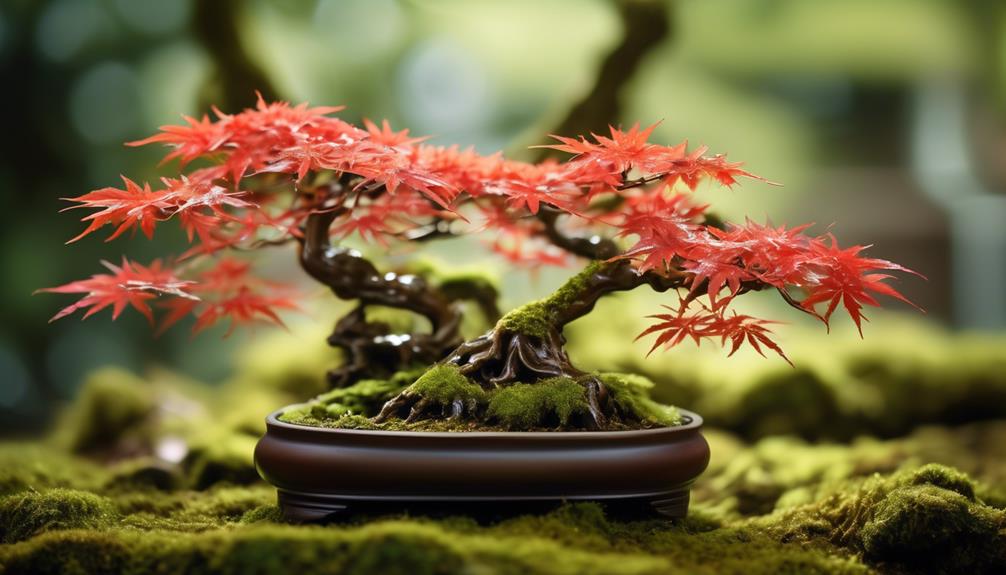
When it comes to choosing the best dwarf bonsai tree varieties, the options are both vast and varied. From the delicate foliage of the Juniper to the vibrant colors of the Japanese red maple, each variety offers its own unique charm.
But how do you determine which one is the best for you? In this discussion, we will explore the characteristics, care requirements, and aesthetic appeal of some of the most popular dwarf bonsai tree varieties.
So, whether you’re a seasoned bonsai enthusiast or a curious beginner, prepare to embark on a journey that will unveil the captivating world of these miniature treasures.
Juniper (Juniperus spp.) Best Dwarf Bonsai Tree Varieties
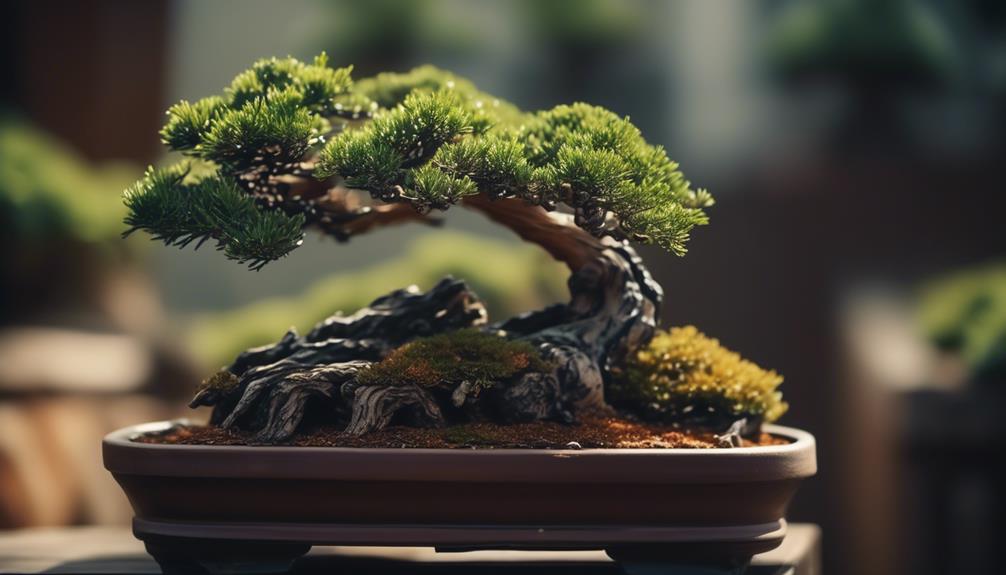
Juniper (Juniperus Spp.) is a hardy tree that is an excellent choice for bonsai enthusiasts looking to learn wiring techniques. Due to its ability to tolerate heavy pruning and its small foliage that perfectly complements the miniature aesthetic, junipers are among the most popular options for dwarf bonsai tree varieties.
All species of juniper can be used for bonsai, each with its own unique characteristics. The small foliage of junipers fits nicely with the miniature aesthetic, creating a sense of harmony and balance in the bonsai composition. While juniper trees don’t thrive indoors, they can be grown successfully as outdoor bonsai. They prefer to be planted in well-draining soil and require a dry environment to prevent root rot.
In addition to their aesthetic appeal, juniper bonsai trees also offer mental health benefits. Taking care of a bonsai can be a form of meditation, providing a sense of peace and relaxation. The process of shaping and wiring the branches of a juniper bonsai can be therapeutic, allowing bonsai enthusiasts to channel their creativity and focus their minds.
Pine (Pinus Spp.)
With its vibrant foliage and versatile shaping capabilities, the next fascinating variety of dwarf bonsai trees to explore is the captivating Pine (Pinus Spp.). Pines are popular bonsai species that offer a unique and elegant touch to any bonsai collection. Here are some key facts about pine bonsai:
- Pine (Pinus Spp.) varieties: The pine family includes Japanese black pine, mountain pine, Scots pine, and Japanese white pine. Each variety has its own distinct characteristics and growth patterns.
- Appearance: Pine needles appear in bundles of two to five and come in various shades of green, ranging from light green to bluish-green to dark green. This diversity adds visual interest to the bonsai.
- Bonsai cultivation: Pines thrive in full sun and require moderate watering, allowing the soil to slightly dry between waterings. With proper care, they can be long-lived and rewarding bonsai trees.
- Bark and shaping: As pines age, their bark becomes scaly or flaky, enhancing their aesthetic appeal. Pines are hardy and trainable, making them suitable for shaping into various bonsai styles.
- Popular choice: Pinus thunbergii, also known as Japanese black pine, is a preferred choice for bonsai enthusiasts due to its unique appearance and adaptability to bonsai cultivation.
Japanese Maple (Acer Palmatum)

Japanese Maple (Acer Palmatum) mesmerizes with its vibrant and ever-changing foliage, making it a sought-after choice for bonsai enthusiasts. This popular species of tree is highly favored for its smaller size, which makes it easier to maintain as a bonsai. The Japanese Maple is known for its eye-striking colorful leaves that remain throughout the year. Its delicate and intricate branches can be wired for shaping, allowing bonsai enthusiasts to create unique and artistic designs.
To ensure the health and vitality of the Japanese Maple bonsai, it’s best positioned outdoors. It requires regular watering, making sure to water when the soil is slightly dry. Fertilization should be done after new growth hardens off, and pruning should be done as needed to maintain the desired shape. Repotting should be done every 2-4 years to provide the necessary nutrients and space for the roots to grow.
In colder climates, it’s advisable to overwinter the Japanese Maple bonsai in a cold frame if the temperature drops below 15°F (-10°C). This will protect it from the harsh winter conditions and ensure its survival. With proper care and attention, the Japanese Maple bonsai can thrive and bring beauty to any bonsai collection.
Japanese Flowering Cherry (Prunus Serrulata)
As we shift our focus to the Japanese Flowering Cherry (Prunus Serrulata), let’s explore its captivating blossoms and graceful form that make it a popular choice among bonsai enthusiasts.
This variety of bonsai is known for its stunning pink or white flowers that bloom in the spring, adding a delightful touch to any bonsai collection. The Japanese Flowering Cherry is an ideal bonsai tree for those who appreciate the beauty of deciduous trees.
Here are some key facts about the Japanese Flowering Cherry (Prunus Serrulata) that make it a favorite among bonsai experts:
- Beautiful Blooms: The Japanese Flowering Cherry produces exquisite pink or white flowers that create a visually stunning display when in full bloom. These blossoms are a sight to behold and can instantly enhance the aesthetic appeal of your bonsai collection.
- Graceful Form: The delicate branches and small, serrated leaves of the Japanese Flowering Cherry contribute to its graceful and elegant form. When pruned and shaped regularly, this bonsai variety maintains its captivating appearance, making it a standout choice among bonsai enthusiasts.
Dwarf Jade (Portulacaria Afra)

Dwarf Jade, also known as Portulacaria Afra, is a resilient and versatile bonsai tree that’s beloved by both beginner and experienced bonsai enthusiasts. This variety is highly relevant to our discussion on the best dwarf bonsai tree varieties. As a bonsai tree, Dwarf Jade offers a unique combination of characteristics that make it an excellent choice for bonsai growers.
One of the key advantages of Dwarf Jade is its forgiving nature, making it ideal for beginners. This bonsai tree is low-maintenance and can withstand some neglect, making it easier to care for compared to other varieties. Its smaller foliage also makes it preferable for bonsai growing, allowing for detailed shaping and styling.
Dwarf Jade can be grown both indoors and outdoors, but it can’t tolerate freezing temperatures. It thrives under direct sunlight for most of the day, so it’s important to place it in a location where it can receive ample sunlight. The thick, knotted bark and striking, fruit-bearing flowers of the Dwarf Jade add to its appeal, making it a popular choice among bonsai enthusiasts.
When choosing the best dwarf bonsai tree varieties, consider the versatility and resilience that Dwarf Jade offers. Whether you’re a beginner or an experienced bonsai grower, this variety is sure to enhance your bonsai collection.
Frequently Asked Questions
What Is the Best Plant for a Mini Bonsai Tree?
The best plant for a mini bonsai tree is subjective, but popular indoor bonsai varieties include juniper, ficus, Japanese red maple, Chinese elm, and pine trees. Proper care, soil mix, shaping, and pruning techniques are essential for mini bonsai tree success.
What Is the Easiest Bonsai Tree to Keep Alive?
The easiest bonsai tree to keep alive is the Chinese elm. It is resilient, can be grown indoors or outdoors, and tolerates a wide range of light conditions. Proper watering, pruning, and shaping are essential for its care.
What Is the Most Sought After Bonsai Tree?
The most sought after bonsai tree varieties are those that showcase unique characteristics and can thrive in ideal growing conditions. Pruning and shaping techniques are essential for cultivating these miniature masterpieces, reflecting the art, symbolism, and cultural significance of bonsai.
What Is the Easiest Bonsai Tree for Beginners?
The easiest bonsai tree for beginners is the Juniper. It can withstand heavy pruning and is suitable for learning basic bonsai techniques. Choose the right pot, prune and shape it, and take care of it for successful bonsai tree cultivation.
Conclusion
In conclusion, the best dwarf bonsai tree varieties offer a variety of characteristics that enhance their aesthetic appeal. Some examples of these varieties include Juniper, Pine, Japanese Maple, Japanese Flowering Cherry, and Dwarf Jade.
These trees require specific care and maintenance. This includes proper watering, pruning, and sunlight exposure.
By incorporating these beautiful trees into your space, you can not only add visual beauty but also promote relaxation, focus, and mindfulness.