
Top Beginner Friendly Species
As you step into the Top Beginner Friendly Species miniature trees, imagine the tranquility they can bring to your surroundings. Curious to know which species are ideal for beginners? Discover the exquisite beauty and simplicity of Japanese Maple, Sargent Crabapple, Redbud, and Hydrangea trees.
These compact wonders offer a gateway to the world of bonsai with their manageable sizes and graceful aesthetics. Stay tuned to uncover the secrets of nurturing these beginner-friendly miniature trees and watch your green thumb flourish in this captivating journey of botanical artistry.
Japanese Maple Bonsai

Japanese Maple bonsai, known for their delicate and intricate leaves, are highly sought after for their resemblance to the full-sized tree. These miniature trees, when mature, typically reach a height of 6 to 10 feet, adding a touch of elegance to any garden. Varieties such as Tamukemaya, Rhode Island Red, and Shaina are particularly favored for bonsai cultivation due to their stunning foliage and manageable size.
To maintain the beauty of Japanese Maple bonsai, regular pruning and shaping are essential. This process not only helps control their growth but also enhances their aesthetic appeal. Ensuring they’re planted in well-draining soil and positioned in partial shade is crucial for their well-being. This protects their delicate leaves from harsh sunlight, preventing them from scorching and losing their charm.
Caring for Japanese Maple bonsai requires attention to detail and a gentle touch, but the rewards of nurturing these exquisite trees are truly fulfilling.
Boxwood Bonsai Tree
A popular choice for beginners venturing into the art of bonsai cultivation, boxwood bonsai trees are renowned for their easy care and enduring growth habits. These miniature trees offer a patient growth rate, allowing you to learn and practice shaping techniques without feeling rushed.
Here are some key points about the boxwood bonsai tree:
- Easy Care: Boxwood bonsai trees are beginner-friendly due to their low maintenance requirements, making them an excellent starting point for those new to bonsai cultivation.
- Tolerant Pruning: These trees can withstand frequent pruning, enabling you to hone your shaping skills without worrying about harming the tree.
- Resilient and Adaptable: Known for their resilience and adaptability, boxwood bonsai trees are forgiving of beginner mistakes and environmental changes, making them a reliable choice for novice enthusiasts.
With their slow growth rate and forgiving nature, boxwood bonsai trees provide a great opportunity for beginners to delve into the art of bonsai tree care and develop their skills in shaping and maintaining these exquisite plants.
Ficus Bonsai Tree
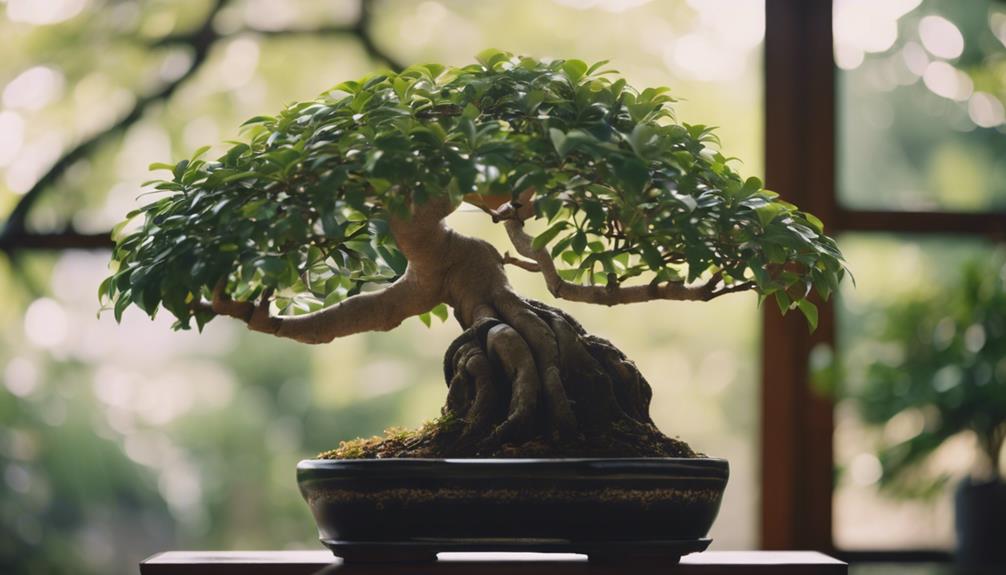
Embark on your bonsai journey with the resilient and forgiving Ficus bonsai tree, a perfect choice for beginners seeking quick results and easy maintenance. The Ficus bonsai boasts small leaves and a compact size, ideal for shaping and styling to your liking.
Whether you prefer indoor or outdoor cultivation, this beginner bonsai adapts well to various environments. Its fast growth rate ensures that you’ll see progress and changes in your tree relatively quickly, keeping you engaged and motivated in your bonsai endeavors.
Not only is the Ficus bonsai easy to care for, but it’s also hardy and resilient, forgiving common mistakes that beginners might make. With its adaptable nature and forgiving characteristics, the Ficus bonsai tree provides a wonderful opportunity for you to develop your bonsai skills and enjoy the beauty of this miniature tree.
Chinese Elm Bonsai
For those new to the world of bonsai, the Chinese Elm Bonsai presents an excellent opportunity to cultivate a resilient and versatile miniature tree. This beginner-friendly bonsai is adaptable to various environments, thriving both indoors and outdoors. Its small leaves and compact stature make it ideal for shaping and styling to create unique designs.
Here are some key points about the Chinese Elm Bonsai:
- Adaptable: Chinese Elm Bonsai can thrive in different environments, making it a great choice for beginners.
- Versatile: This bonsai tree can be grown both indoors and outdoors, offering flexibility in placement.
- Resilient: With the ability to withstand various climates and seasonal changes, the Chinese Elm Bonsai provides a rewarding experience for novice bonsai enthusiasts.
Whether placed in office or patio settings, the Chinese Elm Bonsai adds a touch of natural beauty to any space while being a manageable and enjoyable plant to cultivate.
Bald Cypress Bonsai
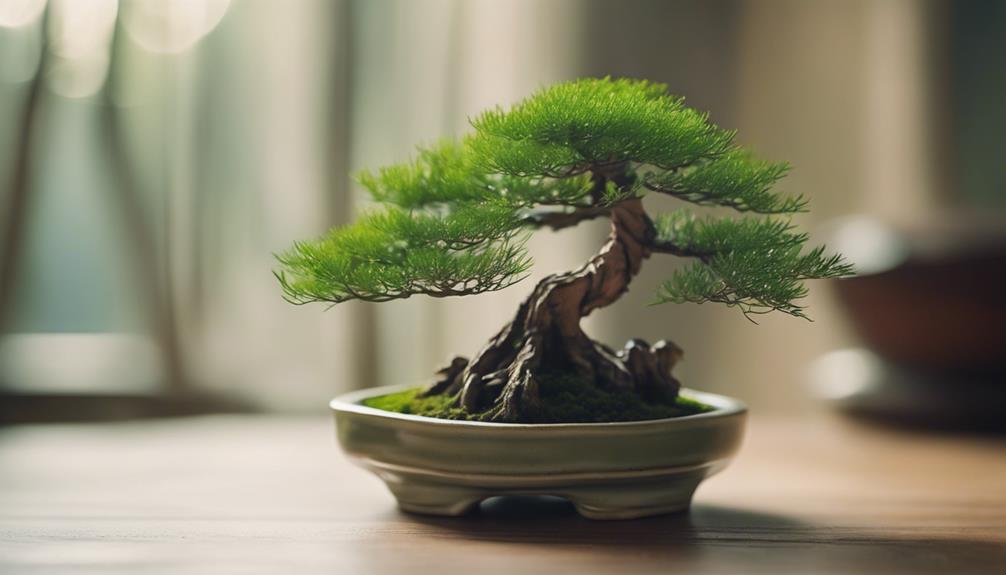
In warmer climates, consider the Bald Cypress Bonsai for its adaptability and visually appealing characteristics. This bonsai, scientifically known as Taxodium distichum, is a resilient choice suitable for those seeking a versatile tree.
Requiring winter protection if temperatures drop below 25 degrees Fahrenheit, the Bald Cypress thrives with frequent watering and benefits from a humidity tray during the summer months. Known for its adaptability, this tree can endure various conditions and gracefully undergo seasonal leaf changes.
Optimal growth for the Bald Cypress bonsai occurs during spring and summer, shedding its leaves in the winter months. Its ability to adapt to different environments makes it an excellent choice for beginners looking for a visually striking addition to their collection.
With its unique features and ability to withstand changing seasons, the Bald Cypress bonsai offers a rewarding experience to enthusiasts seeking a resilient and visually appealing miniature tree.