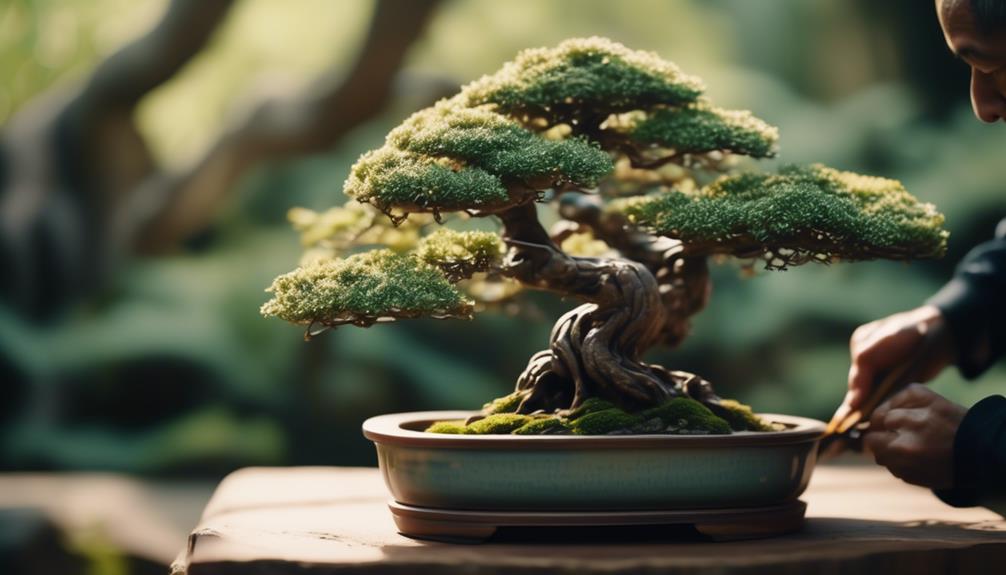
Discover the captivating world of transforming petite trees into exquisite works of art. This process involves skillful craftsmanship and meticulous attention to detail. With each delicate stroke and precise adjustment, artists breathe life into these miniature marvels. They turn them into stunning pieces that leave observers in awe.
But how exactly do these enchanting creations come to be? Step into this realm of artistry, where tiny trees are sculpted, coated, and painted. Find out how these art pieces not only celebrate nature but also inspire a greater sense of environmental consciousness.
Choosing the Perfect Bonsai Tree
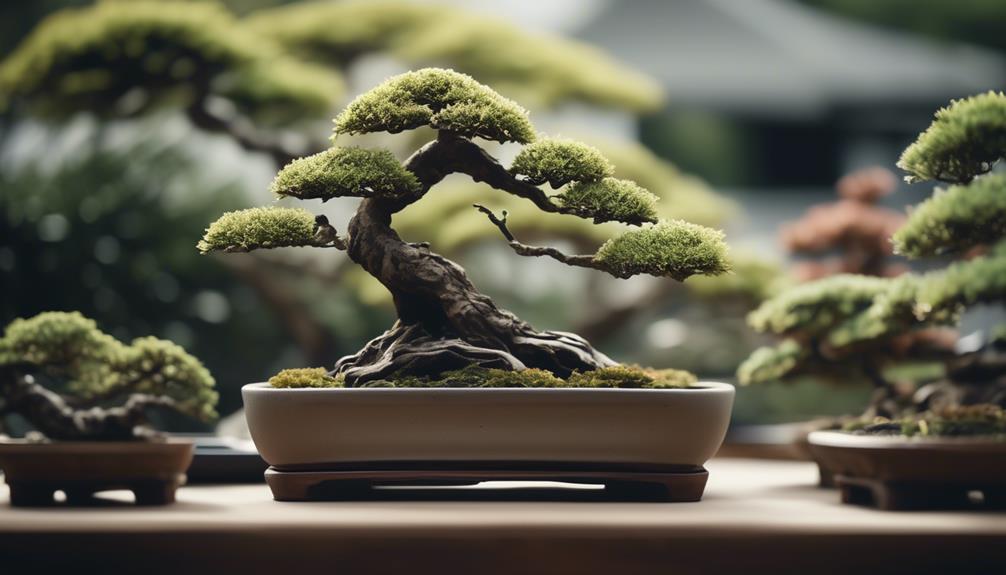
When embarking on the journey of choosing the perfect bonsai tree, immerse yourself in the enchanting world of miniature masterpieces that will captivate both your space and your soul.
The first step in this journey is to consider the different tree species available. Bonsai trees can be created from a variety of species, each with its own unique characteristics and requirements. It’s essential to choose a species that will thrive in your climate and environment. Native species are often a good choice because they’re well-adapted to the local conditions and require less maintenance.
Research the different types of bonsai tree species that are native to your area and explore their traits and care needs. This knowledge will enable you to make an informed decision and select a species that aligns with your preferences and the conditions of your space.
Shaping Techniques for Bonsai Trees
Discover the artistry of shaping bonsai trees through a variety of techniques that bring out their unique beauty and character.
Shaping bonsai trees is a delicate process that requires patience, skill, and an eye for detail. One popular technique is using wire armatures to guide the growth of the tree. By carefully wrapping wire around the branches and trunk, you can create graceful curves or dramatic bends, giving the tree a sense of movement and elegance.
Another technique involves mounting the bonsai tree on a stable base, such as a rock or a piece of driftwood. This not only adds visual interest but also provides stability and enhances the tree’s natural beauty.
Additionally, coating and painting techniques can be used to add texture and color to the tree. By applying a thin layer of resin or paint, you can create the illusion of bark or moss, adding depth and realism to the miniature tree.
Finally, creating intricate details and foliage is essential for achieving a realistic look. By carefully trimming and shaping the leaves, you can mimic the appearance of a full-sized tree, despite its miniature size.
These shaping techniques allow bonsai trees to be transformed into stunning works of art, each one unique and reflecting the beauty of its species.
Enhancing Bonsai Trees With Wiring
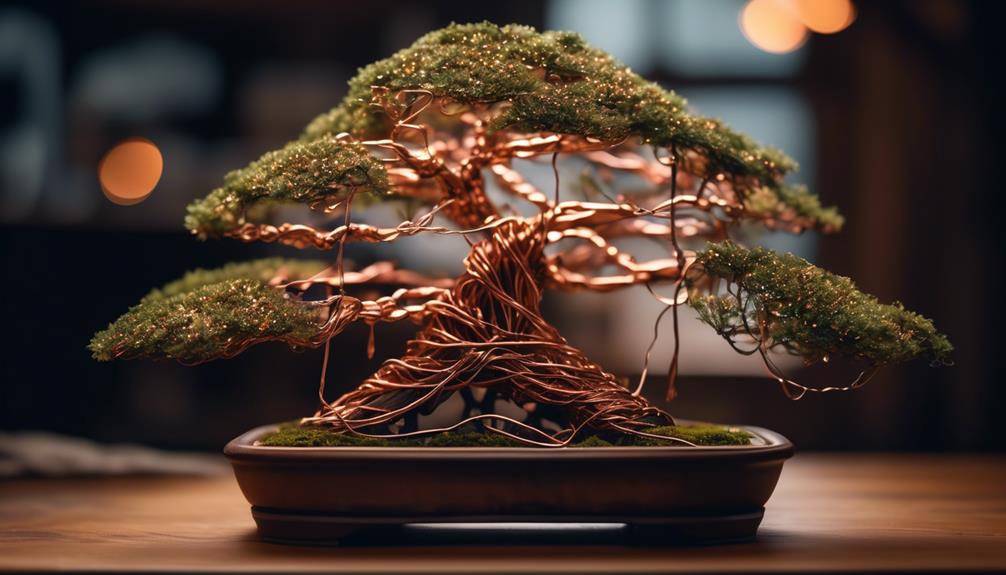
Enhance the beauty of your bonsai trees by utilizing the art of wiring. By carefully shaping the branches and trunks of your tiny trees, you can create stunning art pieces that capture the essence of nature in a miniature form.
To begin enhancing your bonsai trees with wiring, you’ll need to create a wire armature. Use plastic coated garden twist ties or any available twist ties to bundle and twist into the trunk and branches of the tree. This will allow you to manipulate the shape and direction of the branches, giving your bonsai tree a more balanced and aesthetically pleasing appearance.
Once you have created the wire armature, it’s time to mount the tree onto a base. Choose a wide and/or heavy base for stability and attach the miniature tree using epoxy putty. Then, add dirt to the base using pre-mixed grout, leaving the tops of the roots exposed. This will create a natural-looking landscape for your bonsai tree.
To further enhance the realism of your bonsai tree, you can coat the tree with a textured bark using all-purpose joint compound. This will hide the twist ties and give the tree a more natural and aged appearance. After applying the joint compound, add a coat or two of matte sealer to protect the paint and hold the foliage together.
When it comes to painting your miniature tree, start by applying a black primer as the base coat. Layer brown and tan colors for the trunk and branches, focusing on achieving a simple and clean paint job. This will give your bonsai tree a realistic and lifelike appearance.
Adding Artistic Elements to Bonsai Trees
Bring your bonsai trees to life by infusing them with artistic elements that will captivate and enchant anyone who beholds their beauty. With a little creativity and attention to detail, you can transform your bonsai tree into a stunning work of art.
Here are some steps to add artistic elements to your bonsai tree:
- Time to Paint: Once you have shaped and wired your bonsai tree, it’s time to paint it. Start by applying a black primer to create a base. Then, layer on shades of brown, tan, and golden brown to give your tree a realistic and clean finish. Use an airbrush, spray cans, or bristle brushes for a smooth application.
- Creating Texture and Bark: To add texture and realism to your bonsai tree, apply all-purpose joint compound to the trunk and branches. This will create the appearance of textured bark. Not only does this technique add visual interest, but it also adds rigidity to the tree. Seal the joint compound with a matte sealer to protect the surface.
- Detailing and Foliage: Enhance the base of your bonsai tree by decorating it with watered-down PVA glue. This will allow you to attach clumps of static grass and foliage, giving your tree a more natural and vibrant look. Use superglue and PVA glue to securely attach the foliage and create bulk.
- Finishing Touches: Once you have painted and detailed your bonsai tree, take a step back and admire your masterpiece. Consider adding small accents, such as tiny flowers or moss, to further enhance the artistic elements of your tree.
Display and Presentation Tips for Bonsai Tree Art
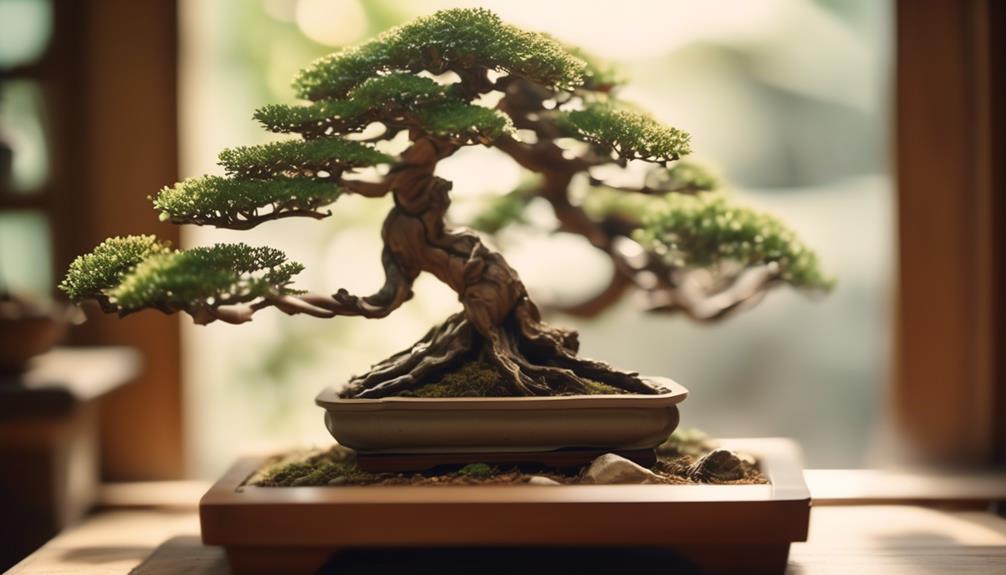
As you showcase your bonsai tree art, ensure that you present it in a way that highlights its beauty and captures the attention of all who admire it. Displaying and presenting your bonsai tree art effectively is crucial to showcasing its delicate nature and artistic value. Here are some tips to help you create a stunning presentation.
Firstly, choose an appropriate display stand or table that complements the aesthetic of your bonsai tree art. Consider the size, material, and color of the stand to enhance the overall presentation. A wooden stand can add a touch of elegance, while a minimalist metal stand can create a modern and sleek look.
Next, pay attention to the lighting. Natural light is ideal for displaying bonsai tree art, as it brings out the vibrant colors and intricate details. Place your bonsai tree art near a window or under a skylight to maximize the effect. If natural light isn’t available, consider using soft, warm artificial lighting to create a cozy and inviting ambiance.
In addition to lighting, consider the backdrop for your bonsai tree art. A simple, neutral-colored background can help draw attention to the intricate details of the tree. Avoid busy or distracting backgrounds that may take away from the beauty of your art.
Lastly, consider the positioning of your bonsai tree art. Place it at eye level to ensure that all the details are easily visible and appreciated. Pay attention to the angle at which the tree is displayed, as this can significantly impact the overall look and feel.
Frequently Asked Questions
How Do You Paint Miniature Trees?
To paint miniature trees, start with a black primer and use a variety of painting tools. Focus on achieving a clean, simple paint job. Add realistic textures and details using different techniques and materials.
Why Do Artists Draw Trees in Art?
Artists draw trees in art to explore the benefits of using them as subjects. They can convey emotions, symbolize themes like growth and resilience, and evoke nostalgia. Different techniques allow artists to capture the beauty of trees in various art styles.
What Artists Use Trees?
Famous artists like Andy Goldsworthy and Giuseppe Penone create stunning tree sculptures and tree-inspired installations. Their creativity and attention to detail bring the beauty of nature into the realm of art, captivating audiences worldwide.
What Artist Is Known for Drawing Trees?
There are many famous tree artists who have different techniques for drawing trees. They use various mediums like pencils, charcoal, and watercolor to capture the beauty and essence of trees in their artwork.