
Combating Bonsai Tree Pests
Maintaining and Combating Bonsai Tree Pests requires diligence and attention to detail. By following four essential tips, you can safeguard your miniature masterpiece from harmful invaders.
From proper plant hygiene to strategic pest control methods, each step plays a vital role in preserving the health and beauty of your bonsai.
Stay tuned to discover how these practical strategies can help you combat pests effectively and ensure the longevity of your cherished bonsai tree.
Common Pests in Bonsai Tree Care

Regularly inspecting your bonsai trees for common pests is essential to maintaining their health and vitality. Pests such as scale insects, aphids, spider mites, and mealybugs are known as sap-sucking insects that can wreak havoc on your bonsai’s well-being.
Scale insects, with their protective shells, feed on sap, leading to stunted growth and wilting leaves. In contrast, aphids target new growth, particularly in the spring, and can be identified by clusters of tiny insects on leaves and stems.
Spider mites affect Junipers and Pines by feeding on sap, causing wilting, discoloration, and stunted growth. Mealybugs, noticeable by their white powdery covering, feed on sap as well, resulting in wilting, yellowing, and stunted growth in bonsai trees.
Scale Insects Treatment Guide
To effectively combat scale insects infesting your bonsai tree, utilizing treatments such as White Oil, Conguard, or Lime Sulfur sprays is crucial for suffocating and eliminating these harmful pests. These treatments act by smothering the insects and disrupting their ability to feed on the sap of your bonsai tree.
Here are key steps to guide you in treating scale insects effectively:
- Immediate Action: Upon noticing scale insects on your bonsai tree, act promptly to prevent further spread and damage to the plant.
- Regular Inspection: Consistently monitor your bonsai tree for any signs of scale insects to catch infestations early and apply treatments promptly.
- Appropriate Treatment: Choose the right treatment option such as White Oil, Conguard, or Lime Sulfur sprays based on the severity of the infestation, and follow the application instructions meticulously for optimal results.
Aphids Management Strategies
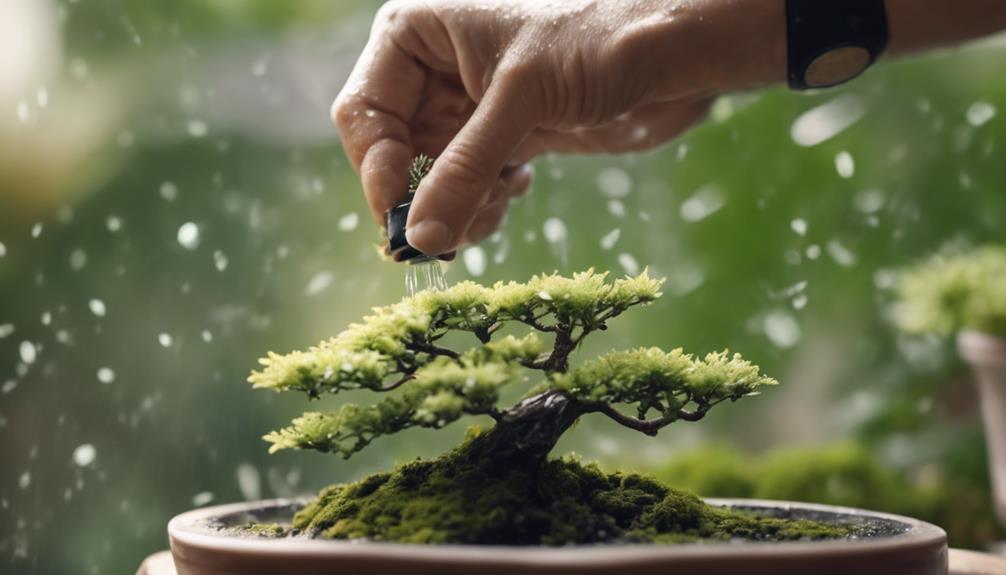
Upon noticing the glossy residue left by sap-sucking aphids on your bonsai tree’s leaves, it becomes imperative to swiftly implement effective management strategies to safeguard your tree’s health and vitality. Aphids, known for targeting new growth on bonsai trees and leaving behind sticky honeydew, can quickly multiply during favorable seasons. To combat these pests proactively, consider weekly sprays with a Plant Invigorator, targeted insecticide use when necessary, and manual removal of aphids from affected areas. The mild winter of 2020 led to a surge in aphid populations, emphasizing the need for vigilant pest management practices. Consistent monitoring through weekly inspections and immediate intervention upon detection are vital for controlling aphid infestations. Below is a practical table summarizing key aphid management strategies for bonsai tree owners:
| Management Strategies | Description |
|---|---|
| Weekly Spraying | Use Plant Invigorator or insecticides |
| Manual Removal | Eliminate aphids from affected areas |
| Monitoring | Conduct weekly inspections for early detection |
| Maintenance | Maintain tree health to resist infestations |
Combatting Spider mite infestations
When combatting spider mite infestations on your bonsai tree, meticulous observation and prompt action are key to preserving its health and vitality. To effectively address this issue, follow these tips:
- Identification: Look for the presence of fine webbing on the leaves and stems of your bonsai tree, which indicates a spider mite infestation.
- Immediate Action: Act swiftly upon detection of spider mites to prevent further damage such as wilting, discoloration, and stunted growth.
- Effective Treatments: Utilize Lime Sulphur spray, a potent solution known for eradicating spider mites, to eliminate pests and safeguard your bonsai’s well-being.
In addition to these steps, consider increasing the humidity levels around your bonsai tree to create an environment less conducive to spider mites. By taking these proactive measures and employing effective treatments promptly, you can combat spider mite infestations and ensure the continued health and beauty of your bonsai tree.
Mealy Bugs Control Techniques
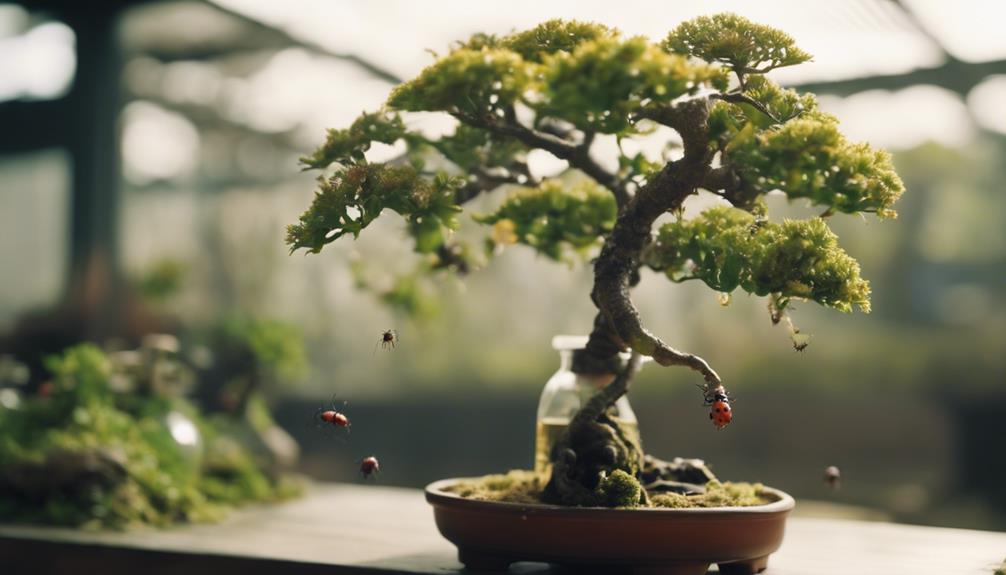
Combat mealy bugs on your bonsai tree by implementing effective control techniques to safeguard its health and growth.
Mealybugs, known for their white powder covering, feed on sap, leading to symptoms like wilting, yellowing leaves, and stunted growth in bonsai trees. You can identify these pests by the powdery residue they leave on the leaves, stems, or branches of your plant.
To control mealy bugs, consider repotting affected trees, ensuring proper soil conditions, and using mentholated spirits for eradication. These pests are particularly active in late summer and autumn, necessitating swift action to prevent their spread and further damage to your bonsai.
Regularly inspect your trees for signs of mealy bugs and take immediate measures to maintain their health and vitality. By staying vigilant and proactive, you can effectively manage mealy bug infestations and preserve the beauty of your bonsai collection.