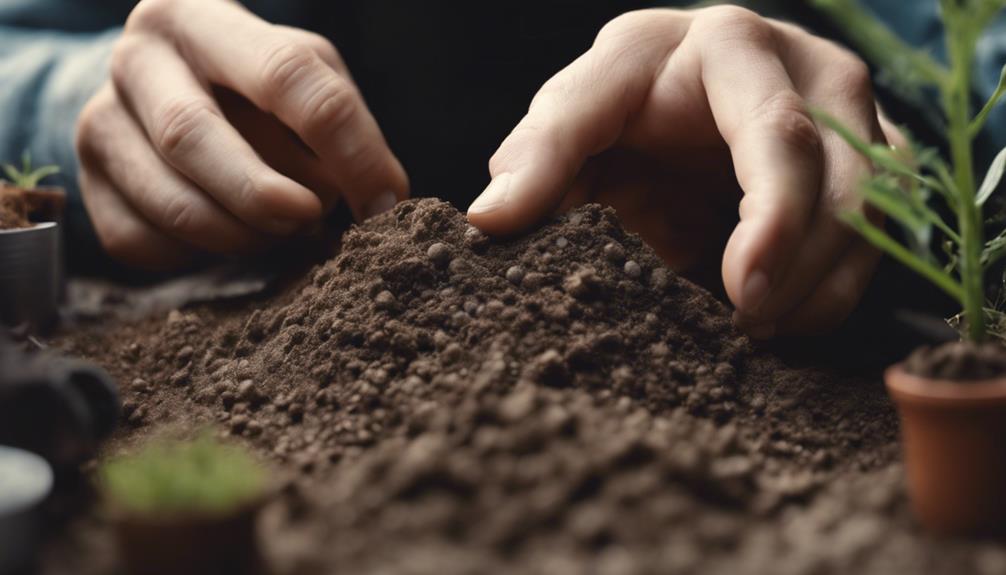
When it comes to the Perfect Soil for Miniature Tree, selecting the perfect soil is akin to laying a sturdy foundation for a grand estate. Each grain and each particle plays a pivotal role in the sustenance of your delicate arboreal companion.
The soil beneath your tree’s roots is not just mere dirt but a complex ecosystem that can make or break its well-being. Understanding the nuances of soil selection is key to unlocking the full potential of your miniature tree.
By following these ten tips meticulously curated for soil perfection, you will pave the way for a flourishing miniature garden that captivates the eye and nurtures the soul.
Perfect Soil for Miniature Tree And Understanding Bonsai Soil Basics
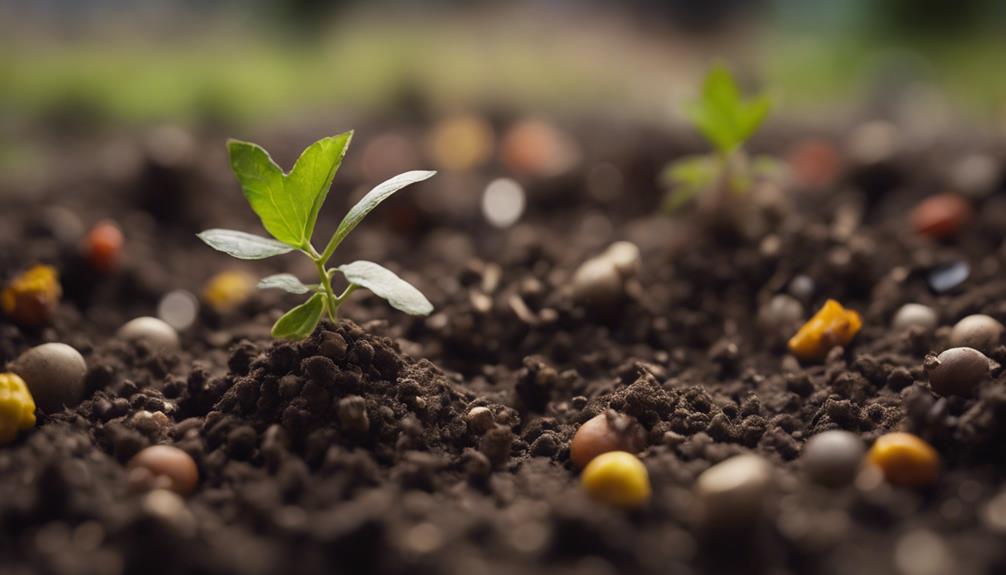
To understand the fundamentals of bonsai soil, focus on the essential components that ensure optimal drainage and aeration for your miniature tree’s root system. Soil structure plays a crucial role in maintaining the health and vitality of your bonsai. A well-structured soil mix provides the necessary support for the roots while allowing for proper airflow and water drainage. The ideal bonsai soil should be porous, allowing water to pass through easily while retaining enough moisture for the tree’s needs.
When creating a bonsai soil mix, consider incorporating components like akadama, pumice, and lava rock. These elements help to maintain the soil structure by preventing compaction and promoting aeration within the root system. The balance of these components is key to ensuring that your bonsai receives the right amount of water and oxygen to thrive.
Importance of Soil Composition
Understanding the significance of soil composition is crucial for ensuring the health and growth of your miniature trees by providing essential nutrients and support for root development. Proper soil composition plays a vital role in preventing issues like root rot, mold growth, and nutrient deficiencies, which can impede the growth of your beloved trees. To help you grasp the importance of soil composition, let’s explore a breakdown of key components in the table below:
| Soil Component | Role |
|---|---|
| Organic Matter | Provides nutrients |
| Perlite | Enhances drainage |
| Sand | Improves aeration |
| Peat Moss | Retains moisture |
| Bark | Prevents compacting |
Each of these components contributes to a well-balanced soil mix that promotes healthy root development and overall tree growth. By understanding and implementing the right soil composition, you can safeguard your miniature trees from issues like root rot and ensure they thrive in their environment.
Balancing Moisture Retention and Drainage
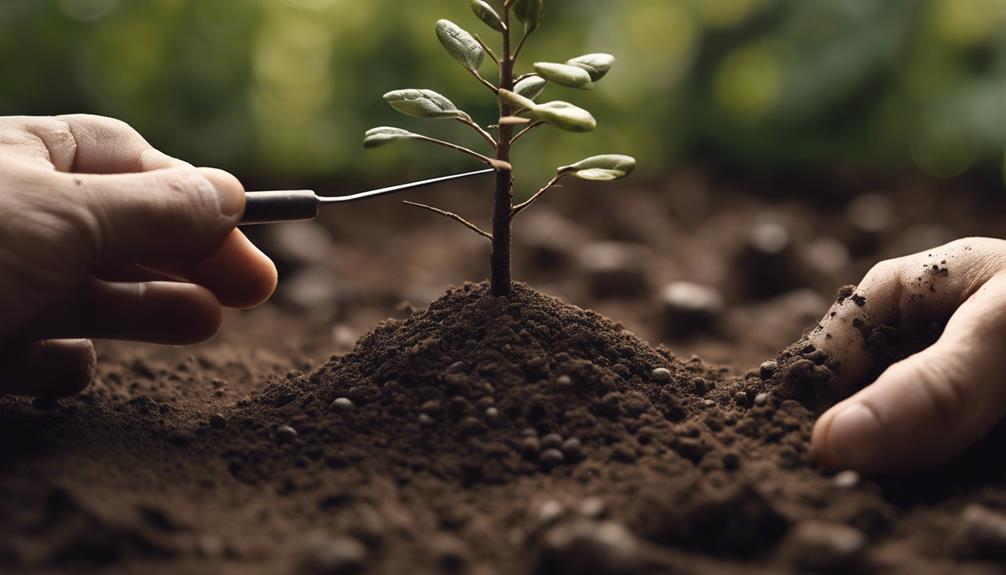
Achieving the perfect balance between moisture retention and drainage is essential for nurturing healthy miniature trees. When it comes to creating an ideal environment for your plants, incorporating peat moss into your soil mix can significantly help strike this balance.
Peat moss is a fantastic organic material that excels in moisture retention while also allowing for proper drainage. Its spongy texture enables it to hold onto water, ensuring your miniature tree’s roots have access to moisture when needed. At the same time, peat moss prevents waterlogging by facilitating the passage of excess water through the soil.
Organic Vs. Inorganic Soil Components
In your quest to create the perfect soil for your miniature tree, understanding the differences between organic and inorganic soil components is crucial for optimizing its growth and health. Here are some key points to consider:
- Organic matter: Organic soil components like compost, peat moss, and manure provide essential nutrients for plant growth.
- Nutrient enrichment: Organic components break down over time, enriching the soil with nutrients and promoting microbial activity for overall soil health.
- Inorganic structure: Inorganic components such as perlite, vermiculite, and sand don’t decompose, helping maintain soil structure, prevent compaction, and improve water infiltration.
- Drainage and aeration: Inorganic components improve soil drainage and aeration, crucial for root health and preventing waterlogged conditions.
- Balanced mix: Balancing organic and inorganic components in soil mixes creates a well-rounded growing medium that supports the specific needs of miniature trees.
Ph Levels and Soil Testing
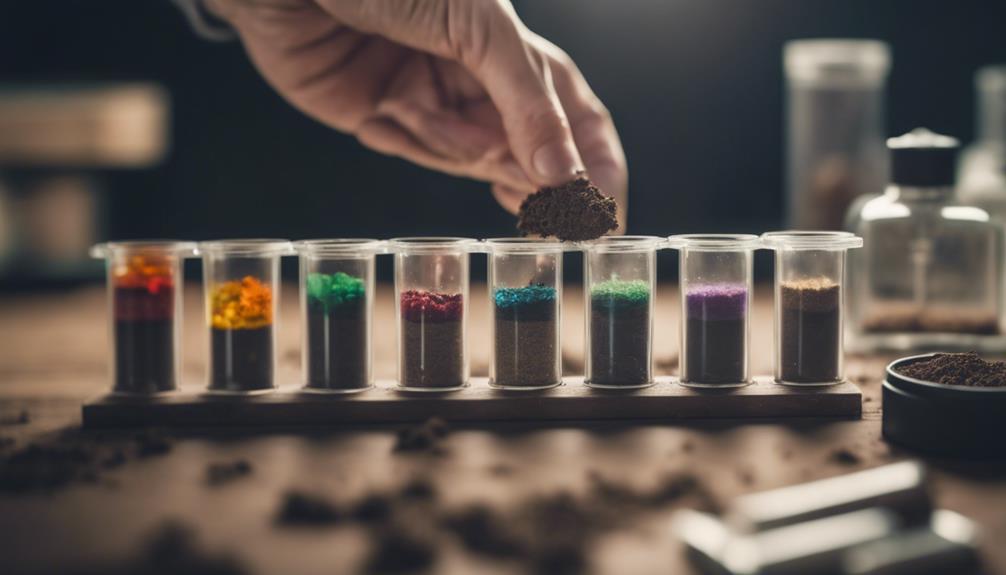
To ensure optimal growth and nutrient uptake for your miniature tree, it is essential to understand the significance of soil pH levels and conduct regular soil testing. Soil pH levels indicate the acidity or alkalinity of the soil, directly impacting the availability of nutrients for your miniature trees. Most miniature trees thrive in soil with pH levels ranging between 5.5 to 6.5, providing them with the ideal environment for growth and nutrient absorption.
Soil pH Level Table:
| Soil pH Level | Description |
|---|---|
| Below 5.5 | Acidic soil |
| 5.5 – 6.5 | Optimal for most trees |
| Above 6.5 | Alkaline soil |
Customizing Soil Mix for Bonsai Trees
Understanding the importance of customizing the soil mix for your bonsai trees can significantly impact their growth and overall health. When creating a potting mix for your bonsai, consider the following:
- Balanced Composition: Ensure your potting mix contains a balanced combination of components like akadama, pumice, and lava rock.
- Water Retention: Akadama, a Japanese clay soil, is essential for retaining moisture, providing nutrients, and supporting root development.
- Drainage and Aeration: Incorporate pumice into the mix to enhance drainage, prevent root rot, and improve aeration within the soil.
- Structural Support: Lava rock helps maintain soil structure, reduces compaction, and aids in distributing water evenly throughout the bonsai container.
- Optimal Ratios: Pay attention to the specific ratios of each component in the mix to ensure your bonsai receives the right balance of nutrients, water, and aeration for healthy growth.
Customizing your bonsai soil mix according to these guidelines will promote a thriving environment for your miniature tree’s roots.
Aeration for Healthy Root Development
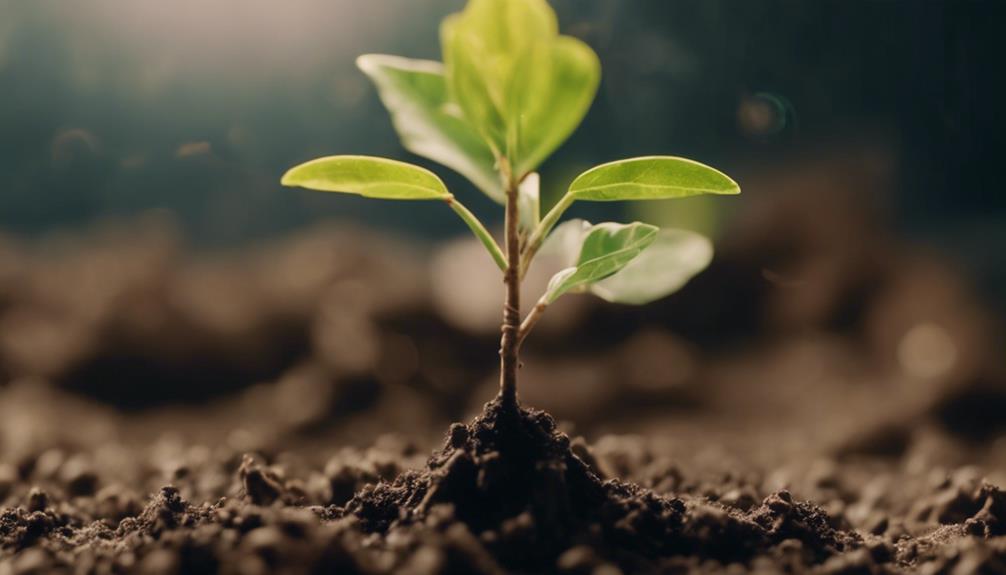
For optimal root health and vigorous growth of your miniature trees, ensuring adequate aeration in the soil is paramount. Soggy soil, lacking proper aeration, can lead to a host of issues such as root suffocation, nutrient deficiencies, and stunted growth.
To combat this, it’s crucial to incorporate materials like perlite or coarse sand into your soil mix. These additives improve aeration by creating air pockets within the soil, allowing oxygen to reach the roots. Oxygen is vital for root respiration and the uptake of essential nutrients, both of which are integral for overall plant health and growth.
Choosing the Right Soil Texture
Ensuring your miniature tree’s soil texture is well-suited to its needs is essential for promoting healthy root growth and overall plant vitality. When selecting the right soil texture for your miniature tree, consider the following tips:
- Opt for well-draining soil to prevent waterlogged roots and support healthy growth.
- Choose soil with a loose texture to facilitate root penetration and enhance nutrient absorption.
- Consider using sandy soil for miniature trees like bonsai that thrive in drier conditions, as it offers good aeration and drainage.
- Loamy soil, a mixture of sand, silt, and clay, provides a balance between water retention and drainage, suitable for a variety of miniature tree species.
- Be cautious with clay soil, which, although nutrient-rich, can easily compact and impede root development in containers, necessitating drainage enhancements for different sizes of miniature trees.
Selecting the appropriate soil texture is crucial for the health and growth of your miniature tree.
Avoiding Compaction and Waterlogging
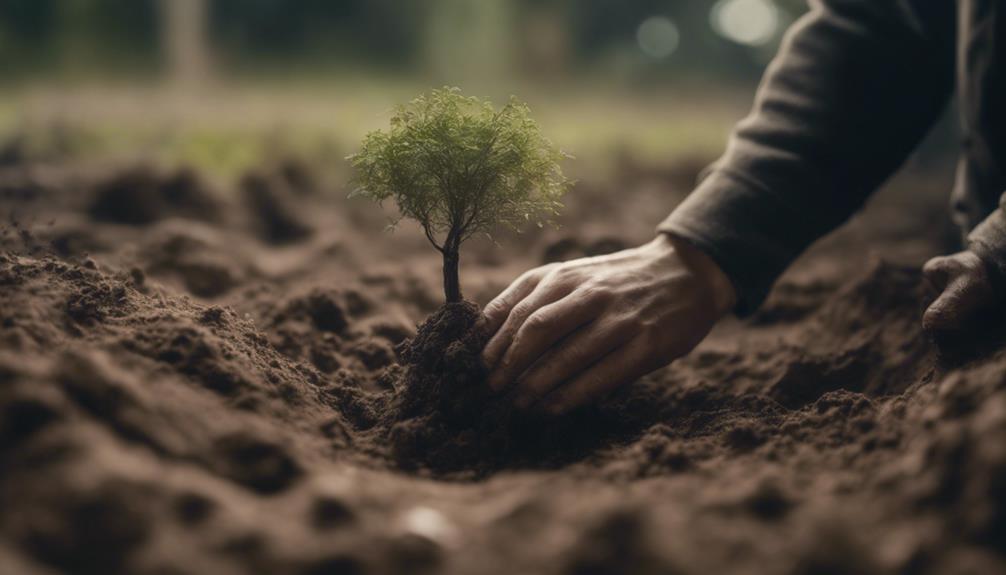
To prevent compaction and waterlogging in your miniature tree’s soil, regular aeration and proper drainage are essential practices to maintain optimal growing conditions. Compaction can hinder root growth and nutrient uptake, while waterlogging can lead to root suffocation and potential rot issues in trees and shrubs. Aerating the soil regularly using tools like aeration forks or a hand trowel can help avoid compaction. Ensuring proper drainage in pots, utilizing well-draining soil mixes, and adjusting watering frequency based on plant needs are effective ways to prevent waterlogging. Maintaining optimal soil conditions is crucial for the health of miniature trees, emphasizing the importance of avoiding compaction and waterlogging.
| Avoiding Compaction | Tools and Techniques | Preventing Waterlogging |
|---|---|---|
| Regularly aerate the soil | Use aeration forks or hand trowels | Ensure proper drainage in pots |
| Avoid walking or compacting soil | Loosen soil gently | Use well-draining soil mixes |
| Mulch the soil surface | Incorporate organic matter | Adjust watering frequency |
| Monitor soil moisture levels | Opt for raised beds or containers | Monitor drainage regularly |
Maintaining Soil Health for Longevity
Maintain soil health for the longevity of your miniature tree by implementing regular soil aeration to support healthy root development and oxygen circulation. This crucial practice prevents compaction, allowing roots to access nutrients efficiently.
To ensure your miniature tree thrives, consider the following tips:
- Utilize Organic Mulch: Organic mulch aids in moisture retention, regulates soil temperature, and suppresses weed growth, creating an optimal environment for your miniature tree.
- Monitor Soil pH Levels: Regularly check and adjust soil pH levels to facilitate proper nutrient uptake, promoting overall soil health for sustained growth.
- Implement Drainage Systems: Proper drainage prevents waterlogging, a common issue leading to root rot; ensure your miniature tree’s roots stay healthy and disease-free.
- Conduct Periodic Soil Tests: Regular soil tests help identify nutrient deficiencies and maintain a balanced soil composition, essential for the long-term health of your miniature tree.
- Consider Soil Amendments: Introduce soil amendments to enhance soil structure, fertility, and microbial activity, promoting a flourishing environment for your miniature tree’s roots.