
When it comes to Selecting Perfect Soil Types for your miniature trees, did you know that the composition can significantly impact their overall well-being? The soil beneath your bonsai’s roots plays a crucial role in its growth and development. From providing essential nutrients to maintaining proper moisture levels, the right soil mix is essential.
But how do you determine the ideal blend for your miniature marvels? Let’s explore the intricate world of soil selection for bonsai trees and uncover the secrets to nurturing these tiny wonders to their fullest potential.
Selecting Perfect Soil Types And Components
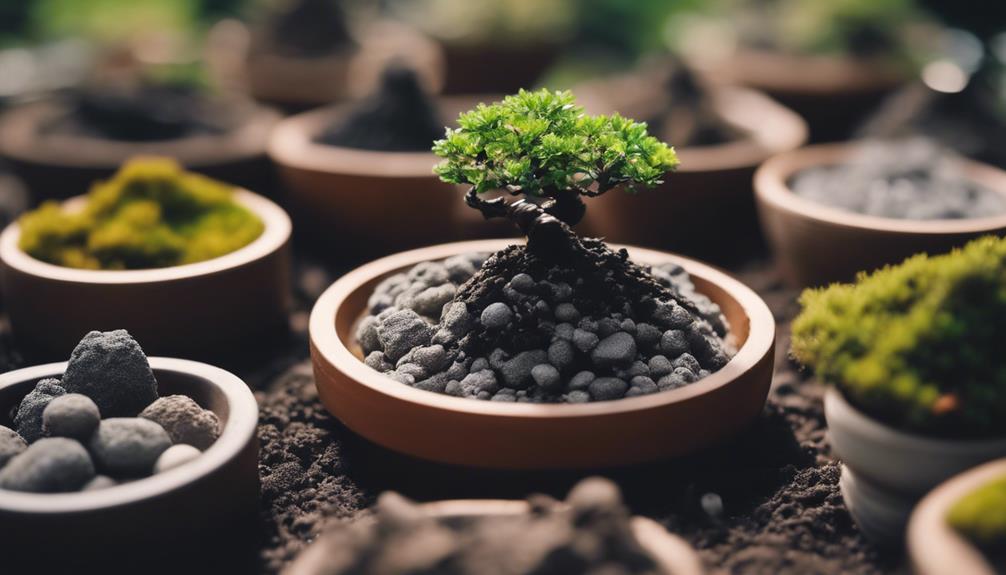
When crafting the perfect soil mix for your miniature trees, understanding the components that make up bonsai soil is essential for promoting optimal growth and root health.
Bonsai soil mixtures consist of a delicate balance of organic matter and inorganic materials tailored to the specific needs of different tree species. Inorganic materials like akadama, pumice, and lava rock are incorporated into bonsai soil to ensure proper drainage, preventing waterlogging and promoting root health.
Akadama, renowned for its ability to retain water and nutrients while still allowing for aeration, is a key component in many bonsai soil mixes. On the other hand, organic matter such as peat moss and pine bark aids in moisture retention, crucial for the overall health of your miniature trees.
Importance of Soil Aeration for Bonsai
To ensure the optimal health and growth of your bonsai trees, soil aeration plays a vital role in facilitating oxygen supply to the roots. Adequate soil aeration is essential for preventing root suffocation and promoting nutrient uptake, which are crucial for the overall vitality of your miniature trees.
Oxygen exchange in the root zone isn’t only necessary for metabolic processes but also for maintaining microbial activity, which aids in nutrient recycling within bonsai containers. Balancing soil aeration with moisture retention is key to creating an environment that supports optimal growth and bonsai health.
Choosing Organic Vs. Inorganic Soil Mixes

Balancing the composition of organic and inorganic materials in your bonsai soil mixes is essential for maintaining the health and vitality of your miniature trees.
Organic soil mixes, such as those containing peat moss and pine bark, excel in moisture retention, making them suitable for bonsai species that require higher water levels.
On the other hand, inorganic soil mixes, like those incorporating akadama, pumice, and lava rock, prioritize drainage, which is ideal for bonsai species prone to root rot.
Achieving the right balance between these two types of soil mixes is crucial for ensuring optimal bonsai health and growth.
By combining the moisture-retaining properties of organic matter with the excellent drainage capabilities of inorganic materials, you create an environment that fosters strong root systems and overall tree resilience.
Customizing Soil Mix for Miniature Trees
Customizing the soil mix for miniature trees involves strategically combining organic and inorganic components to create an optimal environment for growth and health. When customizing the soil mix for your miniature tree, consider the water retention capacity, aeration, and nutrient availability.
Inorganic soils like akadama, pumice, and lava rock aid in proper drainage, preventing root rot and compaction. These materials also help in providing stability to the tree while allowing the roots to breathe. Incorporating organic matter such as peat moss and pine bark helps retain moisture, ensuring the tree has a constant water supply without becoming waterlogged.
Particle size is crucial in the soil mix, as it influences aeration and water retention. Fine particles like clay can compact the soil, hindering root growth, while coarse particles like sand may drain too quickly. Customizing the soil mix to suit your miniature tree’s specific needs will create an ideal environment for healthy root development and overall tree growth.
Soil Selection for Different Bonsai Species
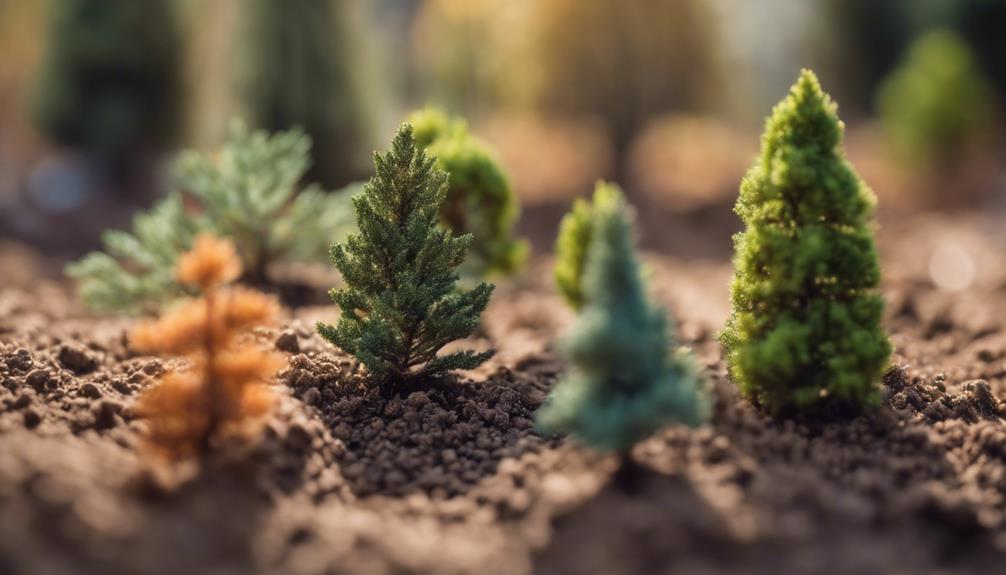
Selecting the appropriate soil type for different bonsai species plays a crucial role in ensuring their optimal growth and health. When it comes to bonsai trees, varying species have unique soil requirements to thrive. Understanding these specific needs can make a significant difference in the success of your bonsai cultivation.
Here are some key considerations for soil selection based on different bonsai species:
- Deciduous Trees: Species like maples and elms prefer soil that’s well-draining yet retains moisture effectively.
- Conifers: Trees such as pines and junipers thrive in sandy soil mixes that provide excellent drainage and aeration.
- Tropical Species: Bonsai like ficus and bougainvillea require soil that retains moisture well while also allowing for proper drainage.
- Flowering Bonsai: Species such as azaleas and cherry blossoms benefit from soil rich in organic matter to support optimal growth and blooming.
- Succulents: Varieties like jade plants and portulacaria require soil with high drainage to prevent root rot and maintain their health.
Understanding these soil types and their respective properties can help you provide the best growing conditions for your bonsai trees, ensuring they receive the necessary nutrients and support for their overall well-being.