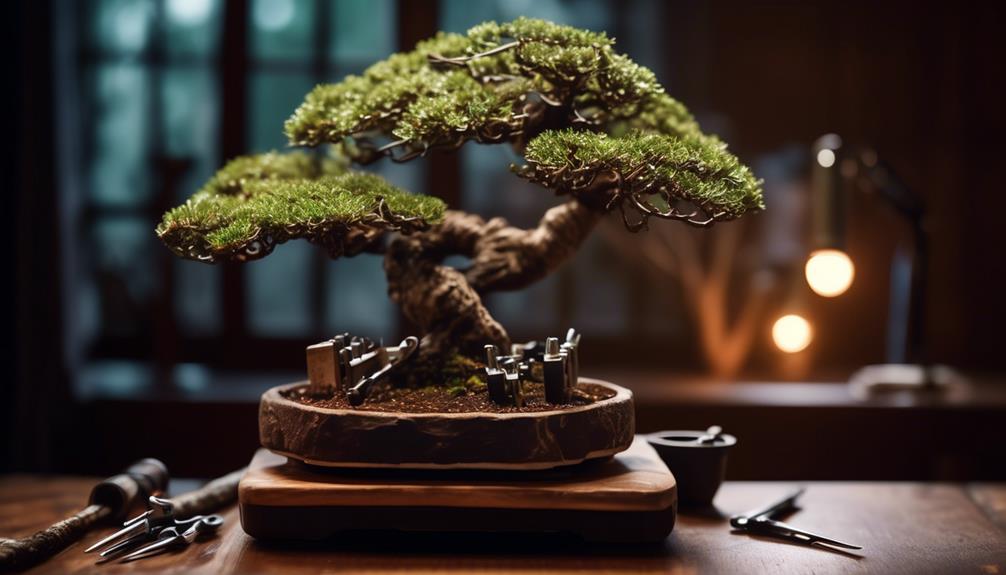
Is it possible to cultivate a miniature forest right in your living room and Optimal Bonsai Tree Maintenance? You bet it is, if you’re nurturing bonsai trees. These pint-sized plants, steeped in centuries-old Asian traditions, require a specific set of maintenance strategies to thrive.
You’ll need to know about proper placement, watering rules, and how to adapt your care to the tree species’ specific needs. Fertilizing, repotting, pruning – these are just a few of the techniques in your bonsai toolbox.
But remember, this ancient art form is more than just a list of horticultural chores. It’s a journey, one that requires patience, precision, and a touch of creativity. Stick with us, and we’ll explore how to make your bonsai flourish.
Understanding Bonsai Tree Species And Optimal Bonsai Tree Maintenance
While each bonsai tree species has its own unique characteristics and growth habits, it’s essential to understand the specific needs of your tree, such as light, water, and temperature preferences, to provide it with the right care.
The art of Bonsai isn’t merely about maintaining a miniature tree, but understanding bonsai tree species intricacies.
Imagine the bonsai as an art form, where each type of tree is like a different genre or style, each with its unique rhythm and rules. Some types of bonsai include juniper, maple, and pine, each requiring a tailored care approach. The juniper, for instance, has a love for sunlight, while the pine craves a slightly cooler climate.
To truly excel in the art of Bonsai, strive to understand the natural habitat and growth patterns of your particular tree species. For example, if your bonsai is a tropical species, it may require more humidity, unlike a desert species which would prefer a drier environment.
Essential Watering Techniques
Mastering the watering techniques is fundamental to your bonsai’s health, and it begins with understanding your tree’s unique moisture needs. Bonsai trees are planted in small pots, limiting the amount of soil, which in turn affects water retention. Thus, Bonsai care, especially when dealing with an indoor bonsai, demands regular monitoring of the soil’s moisture levels.
Your tree needs water when the top layer of soil feels slightly dry to the touch. One essential watering technique is to submerge the entire pot in water until bubbles stop appearing. This ensures that the water reaches the roots, hydrating your precious indoor plant thoroughly. After submerging, let the excess water drain before repeating the process.
Take care to adjust your watering frequency according to the temperatures throughout the year. More watering is needed in summer, less in winter. Remember, overwatering is as harmful as underwatering.
Implementing these essential watering techniques will allow you to provide optimal care for your bonsai. With careful attention and consistent practice, you can master these techniques, ensuring your bonsai tree remains a vibrant, living work of art in your home.
Fertilizing for Healthy Growth
Regularly feeding your bonsai tree with a balanced fertilizer can significantly enhance its growth, keeping it lush and vibrant. This process, known as fertilizing for healthy growth, ensures your tree gets the nutrients it needs. Your bonsai’s confined root system can’t seek out nutrients like larger trees, so you’ll need to supply them.
The best time to fertilize is during the growing season. This is when your tree becomes most active, and new growth is fostered. It’s essential to use a fertilizer with an NPK (nitrogen, phosphorus, and potassium) ratio close to 5:5:5.
Here’s a quick rundown of key care guidelines:
- Choosing a Fertilizer:
- Opt for a balanced fertilizer. Ensure it has equal amounts of NPK for optimal nutrient replenishment.
- Organic or seaweed-based fertilizers are ideal. They provide essential nutrients while being gentle on the root system.
- Fertilizing Practice:
- Regularly apply the fertilizer during the growing season. This is when trees need the nutrients most.
- Monitor the tree’s response. If it’s thriving, you’re on the right track!
Pruning: The Art of Shaping
In the world of bonsai, pruning isn’t just a maintenance task; it’s an art form that’s essential for sculpting your tree’s size and shape, promoting compact growth, and encouraging new shoots. It’s about creating a tree that reflects a miniature version of its full-size counterpart in nature.
Pruning: the art of shaping, will help you to create the desired look and feel. Trees like the Hawaiian umbrella, one of the easiest to care for, are ideal for those starting on their bonsai journey. Remember, bonsai trees indoors need careful attention to maintain their health and appearance.
There are basic rules to follow when pruning your bonsai. Aim for small, 45-degree cuts to encourage new growth and strengthen the tree. Avoid excessive snipping or shortening of branches – these are living trees, not sculptures, and drastic changes can harm them. Pay special attention to the crown as it reflects the tree’s overall health.
Pruning a bonsai tree is a test of patience and creativity. It’s about making tiny adjustments over the years, leading to continuous improvement in your tree’s health and appearance. Embrace this art, and you’ll be rewarded with a bonsai masterpiece.
Repotting and Root Care
Shifting our focus to repotting and root care, it’s essential to know that when it’s time to repot your bonsai, you’ll need to trim the roots carefully and provide fresh soil to foster healthy growth. This process, best done in early spring, ensures your tree’s healthy development.
Depending on the type of bonsai, indoor or outdoor, the repotting needs may vary. Keep in mind that bonsais are planted in small pots, which can lead to root binding. Therefore, make sure to check your bonsai’s roots regularly. You can prevent stunted growth by repotting when you notice signs of root binding.
Now, let’s delve into the specifics:
- Choosing the Right Soil:
- While repotting, it’s crucial to use the right soil mixture. Make sure it provides proper drainage and aeration and retains the nutrients your bonsai needs. This choice can greatly impact your bonsai’s health and growth.
- Selecting the Perfect Pot:
- The pot you choose needs to be well-fitted. It should accommodate the roots comfortably, and complement the aesthetic of your bonsai.
Frequently Asked Questions
What Is the Best Way to Take Care of a Bonsai Tree?
You’ve got to be mindful about bonsai positioning, choose the right soil, water it properly, use correct pruning techniques, and provide seasonal care. Don’t forget about using fertilizer, pest control, reporting methods, and bonsai styling.
How Do I Keep My Bonsai Tree Happy?
To keep your bonsai tree thriving, position it properly, ensure it gets enough sunlight, and water it regularly. Choose well-draining soil, prune it regularly, and take care of its roots. Don’t forget pest prevention and fertilization.
Should I Mist My Bonsai Every Day?
You shouldn’t miss your bonsai daily. Adjust the misting frequency based on humidity levels, water quality, seasonal considerations, and leaf health. Prevent drying but avoid over-humidification. Differentiate indoor and outdoor misting techniques.
What Are the Best Tips for Growing Bonsai?
You’ll need to choose your bonsai species carefully, consider soil composition, prune roots, trim leaves, repot regularly, protect in winter, prevent diseases, fertilize properly, and meet sunlight requirements for successful bonsai cultivation.