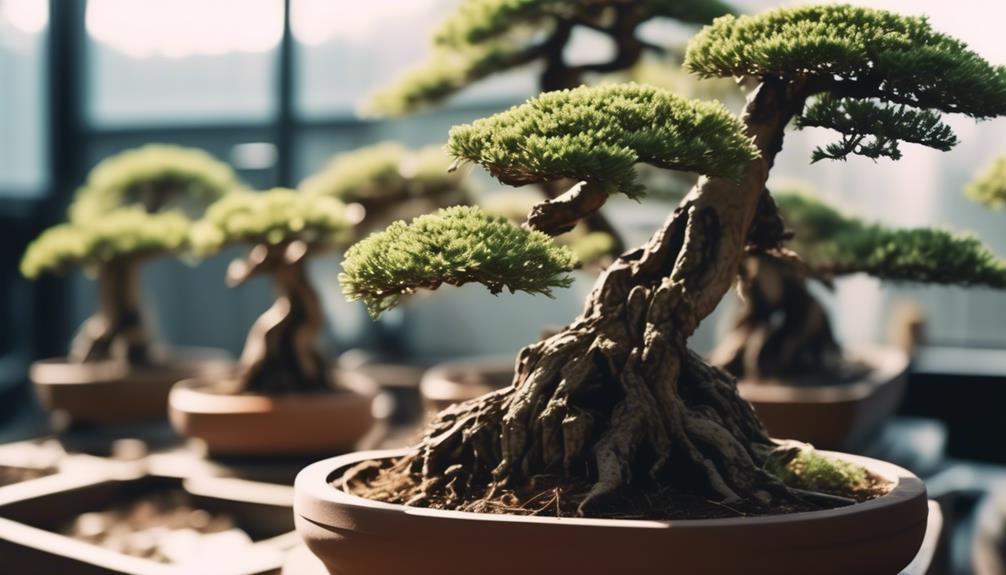
Did you know that the oldest bonsai tree and Bonsai Tree Care, Ficus retusa Linn, is over a thousand years old? That’s testament to the longevity these miniature trees can achieve with proper care.
You’re about to embark on a journey through the top seven best practices for bonsai tree care, a world where patience, precision, and a keen eye for detail meet. You’ll discover the secrets behind choosing the perfect pot, the intricacies of watering, the art of pruning, and much more.
Each piece of advice is a stepping stone towards creating a beautiful, thriving bonsai that could potentially outlive its caretaker. But remember, the road to mastering bonsai care is a winding one, filled with both challenges and rewards.
Understanding Bonsai Tree Species For Bonsai Tree Care
To truly thrive, your bonsai tree needs care that’s tailored to its unique species, requiring a deep understanding of its specific needs, natural habitat, and characteristics. This understanding is the essence of the art of bonsai.
Each bonsai tree species is an individual, with its own preferences and requirements. From the frequency of watering to the type of fertilization, little details matter in bonsai tree care. You should tailor your approach to the particular species in your bonsai collection.
Take a moment to research and learn about the natural habitat of your bonsai tree species. This knowledge will help you to recreate the conditions that your bonsai would experience in the wild, fostering healthier growth.
Don’t hesitate to seek guidance. There are countless resources available, from books to experienced growers, that can offer insights into the care of your specific bonsai tree species. The more you understand your bonsai tree species, the more you’ll appreciate the intricate art of bonsai.
Ideal Placement for Bonsai Trees
Having gained a deeper understanding of your bonsai tree species, you’re now ready to tackle the next critical aspect of bonsai care – determining the ideal placement for your tree. Bonsai tree care is as much an art as it’s a science, and understanding the unique needs of your tree is vital.
Ideal placement for bonsai trees depends on several factors, including the specific needs of the tree species and your local climate. Some species thrive outdoors, while others, known as indoor bonsai, prefer the controlled environment of your home. A south-facing window, for instance, can provide enough light for an indoor bonsai. However, you must remember that even indoor trees require exposure to natural light cycles, so artificial light alone isn’t enough.
The time of year also plays a role in placement. During colder months, outdoor bonsai might need protection from frost. Ultimately, the decisive factor should always be the individual needs of your bonsai species. By considering all these factors, you can ensure your bonsai receives the care it needs to thrive in its perfect spot.
Watering Techniques and Frequency
As you nurture your bonsai, developing an effective watering routine is paramount. Understanding the unique hydration needs of your tree is both an art and a science, influenced by various factors such as species, pot size, and climate.
Let’s explore these elements to help you foster a healthy, flourishing bonsai through optimal watering techniques and frequency.
Understanding Bonsai Hydration Needs
In the life of a bonsai tree, proper hydration plays a pivotal role, and mastering the art of watering can greatly enhance your tree’s vitality and longevity. Understanding bonsai hydration needs is a crucial part of bonsai tree care. It’s not merely about the frequency; it’s also about the technique.
Here’s what you need to know:
- You need to water Bonsai thoroughly until water seeps out of the drainage holes. This ensures complete saturation.
- Water Bonsai as soon as the topsoil starts to dry. It’s a myth that bonsais need less water. They can quickly dehydrate if neglected.
- Use a watering can with a fine nozzle for an even distribution of water.
Effective Watering Routines
Crafting an effective watering routine for your bonsai tree requires a careful balance of frequency and technique, ensuring the soil never becomes excessively dry, especially during the hot summer months. One of the essential bonsai tree care tips is to check the soil every other day. If it’s dry at half an inch deep, that’s when your tree needs water.
Avoid letting your bonsai tree dry out completely, as this can harm its delicate root system. The goal is to soak the roots thoroughly, which can be achieved by submerging the bonsai in a sink. Alternatively, water from the top until water escapes from the drainage hole.
These effective watering routines are crucial to maintain the health and beauty of your bonsai tree.
Importance of Fertilizing Your Bonsai
Understanding the importance of fertilizing your bonsai, you’ll realize it’s more than just adding supplements; it’s a fundamental process to supply essential nutrients that might be missing in the limited soil of your bonsai’s small pot. As part of bonsai tree care, fertilizing your bonsai is pivotal to maintaining the tree’s health and fostering its growth throughout the year.
By acknowledging the art of cultivating bonsai trees, you’re also appreciating the necessity of providing the nutrients it needs for strong and vibrant foliage. Here are three key reasons why you should prioritize fertilizing in your bonsai care routine:
- Fertilizing promotes healthy root development and overall tree vigor, especially during the growing season.
- It ensures your bonsai receives necessary nutrients that mightn’t naturally be present in its limited soil environment.
- Using a balanced fertilizer with an appropriate NPK ratio contributes to the bonsai’s overall well-being.
Through proper fertilization, you’re not only nurturing the physical growth of your bonsai but also contributing to the underlying essence of its existence. Remember, the aim isn’t just to keep your bonsai alive, but to help it thrive in all its miniature majesty.
The Art of Pruning Bonsai Trees
As you venture into the art of pruning bonsai trees, understanding essential techniques is pivotal to ensuring your tree’s health and aesthetic appeal.
Knowing the right tools and how to use them will streamline this process, allowing you to shape your bonsai with precision and care.
However, it’s just as crucial to be aware of common mistakes in order to avoid causing undue stress to your miniature masterpiece.
Essential Pruning Techniques
When it comes to the art of pruning bonsai trees, it’s essential to know that performing regular, gentle pruning during the spring and early summer can significantly enhance the structure and health of your precious miniature tree. Over time, this care and attention can lead to continuous refinement and the development of a healthy crown.
It’s important to remember some essential pruning techniques:
- Avoid excessive pinching, snipping, and shortening of branches. This can cause unnecessary stress to the bonsai tree.
- Pay special attention to the bonsai crown, as it mirrors the health and branching of the root system.
- Aim for small, incremental improvements to the tree’s structure and overall health, rather than drastic changes.
With patience and care, the art of bonsai pruning will become second nature.
Tools for Pruning
To master the art of bonsai pruning, you’ll need to equip yourself with high-quality tools designed specifically for this delicate task. A crucial part of your toolkit should be pruning shears and scissors, crafted specifically for bonsai trees.
A concave cutter is essential for precise, clean branch cutting. For reaching and trimming deep within the bonsai trees, long-handled shears are indispensable. A knob cutter is necessary when removing large branches to create clean cuts.
Remember, taking care of your tools is as important as taking care of your bonsai. Regular cleaning and sharpening are necessary to prevent damage to the tree.
These care guidelines will ensure your bonsai trees are planted and pruned to perfection.
Avoiding Common Mistakes
Navigating the intricate path of bonsai tree care, you’ll want to sidestep a few common mistakes that could jeopardize your tree’s health and longevity. Even the best practices can become pitfalls if not applied correctly. To help you avoid these common mistakes, here are the top 3 to avoid:
- Avoid pruning during the active growth period in spring and early summer. This can stress the tree and slow its growth.
- Don’t use ice cubes for watering. They may not provide adequate hydration to the roots.
- Don’t overfertilize. It can harm the bonsai’s delicate root system.
In bonsai tree care, avoiding common mistakes is as important as adopting the best practices. Keep these tips in mind to ensure your bonsai tree thrives.
Repotting and Soil Maintenance
Every couple of years, it’s essential that you repot your bonsai tree and pay close attention to repotting and soil maintenance, choosing nutrient-rich soil like Akadama or Moler clay, to ensure your tree’s health and growth. This type of soil provides optimal drainage and nutrition, fostering a robust root system and vibrant foliage.
When repotting, trim the roots carefully, inspecting for any signs of rot. This examination is a crucial part of maintaining your bonsai’s well-being. It’s not just about putting the tree in a new pot; it’s about ensuring its root system stays healthy.
Soil maintenance is another integral aspect of bonsai care. The soil mixture you choose directly impacts the tree’s health. If Akadama or Moler clay isn’t available, consider using diatomaceous earth, found in cat litter, as a potential alternative.
Managing Bonsai Tree Pests & Diseases
While ensuring the health of your bonsai’s root system through regular repotting and soil maintenance is critical, it’s equally important to stay vigilant for any signs of pests and diseases that can compromise your tree’s vitality. This part of bonsai tree care involves meticulously examining your tree for any abnormalities.
It’s necessary to inspect the leaves, branches, and soil of your bonsai regularly. Look out for discoloration, spots, or unusual growths that can indicate the presence of pests or diseases. If your bonsai is a Hawaiian umbrella, it’s particularly susceptible to mealybugs and scales.
Managing bonsai tree pests & diseases means you need to:
- Identify pests and diseases early to prevent damage.
- Use organic and natural pest control methods.
- Quarantine infected bonsai trees to prevent the spread of pests and diseases.
Frequently Asked Questions
What Is the Best Way to Take Care of a Bonsai Tree?
You’ll need to master bonsai pruning, perfect your watering techniques, and understand soil selection. Regular bonsai fertilization and timely repotting are also crucial. It’s an art form, requiring patience and a keen eye for detail.
How Do I Keep My Bonsai Tree Happy?
To keep your bonsai tree happy, it’s vital to master bonsai fertilizing, repotting techniques, winterizing bonsai, bonsai pruning, and disease prevention. Careful attention to these practices ensures a thriving, beautiful bonsai.
What Are the Best Tips for Growing Bonsai?
For successful bonsai growth, you’ll need to master bonsai pruning, soil selection, and root maintenance. Adapt to seasons, embrace potting techniques, and remember, each tree is unique, so learn its specific care needs.
What Are the Best Conditions for Indoor Bonsai Trees?
You’ll want high humidity levels, ample light exposure, and temperature control for indoor bonsais. Choose soil carefully and monitor fertilization frequency. Perfecting these conditions will help your bonsai thrive indoors.