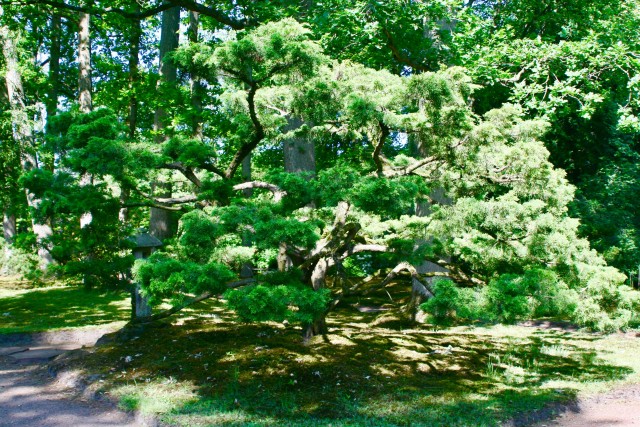
Beginner’s Guide to Bonsai Tree Care
Bonsai is more than just a plant — it’s a living piece of art, so Beginner’s Guide to Bonsai Tree Care. Whether you’re fascinated by its aesthetics or looking for a peaceful hobby, bonsai care is a rewarding journey. In this beginner’s guide, you’ll learn the essentials of keeping your bonsai tree healthy and thriving from day one.
What is Bonsai?
Bonsai is the Japanese art form of cultivating miniature trees in containers, carefully shaping and maintaining them to resemble their full-sized counterparts in nature. Contrary to popular belief, bonsai are not genetically dwarfed trees — they are regular trees pruned and trained into small forms over time.
Choosing the Right Bonsai Tree
For beginners, selecting the right species can make the learning curve smoother. Consider the following factors:
Indoor vs. Outdoor Bonsai
Not all bonsai trees are suited for indoor environments. Ficus, Jade, and Chinese Elm are popular indoor species. Outdoor bonsai options include Juniper, Pine, and Maple.
Climate Compatibility
Choose a species that aligns with your local climate. If you’re unsure, the experts at Buy a Bonsai Tree can guide you to the right selection for your region.
Basic Bonsai Tree Care Tips
1. Watering Your Bonsai
Watering is the most crucial aspect of bonsai care. A good rule of thumb is to water when the topsoil feels slightly dry. Overwatering and underwatering are both common mistakes.
- Check moisture daily, especially in warmer months.
- Use a watering can with a fine nozzle to avoid disturbing the soil.
- Ensure the pot has drainage holes to prevent root rot.
2. Light Requirements
Light plays a vital role in bonsai health. Most species prefer bright, indirect sunlight. South-facing windows are ideal for indoor trees. Outdoor trees usually thrive in semi-shaded areas.
3. Humidity Levels
Indoor bonsai often suffer from dry air, especially in heated homes. Use a humidity tray or mist your tree regularly to replicate its natural environment.
Pruning and Shaping Your Bonsai
Structural vs. Maintenance Pruning
Pruning not only maintains the size but also enhances the tree’s shape and health.
- Structural pruning: Performed during the dormant season to shape the trunk and main branches.
- Maintenance pruning: Done throughout the growing season to trim new growth and maintain form.
Wiring Techniques
Wiring allows you to bend and reposition branches into your desired shape. Use anodized aluminum or copper wire, and always wrap gently to avoid scarring. Remove the wire before it cuts into the bark.
Repotting Your Bonsai Tree
Repotting is necessary every 2-3 years to prevent root-bound conditions and refresh the soil.
When to Repot
The best time to repot most species is in early spring before new growth starts.
Steps for Repotting
- Gently remove the tree from the pot.
- Prune one-third of the roots using sharp, clean scissors.
- Place fresh bonsai soil in the pot and replant the tree.
- Water thoroughly and place in a shaded spot for recovery.
Common Bonsai Tree Issues and How to Solve Them
Pests
Aphids, spider mites, and scale insects are common bonsai pests. Use insecticidal soap or neem oil as an effective, natural remedy.
Yellowing Leaves
Yellow leaves often signal overwatering or poor drainage. Check the soil moisture and adjust watering frequency.
Leaf Drop
Sudden leaf drop can result from stress, such as moving the tree or temperature fluctuations. Keep conditions stable and monitor recovery.
Tools Every Bonsai Beginner Should Own
- Concave cutters: For removing branches cleanly.
- Root rake: Helps detangle roots during repotting.
- Trimming scissors: For precise leaf and branch cutting.
- Wire cutters: To safely remove training wire.
You can find bonsai tool kits at Buy a Bonsai Tree that are tailored for beginners.
Fertilizing Bonsai Tree
Because bonsai grow in limited soil, regular fertilizing is necessary to keep them healthy.
Types of Fertilizer
- Balanced fertilizer (NPK 10-10-10): Ideal for general health.
- Low nitrogen mix: Suitable for winter months or slow growth periods.
Frequency
Feed your bonsai every two weeks during the growing season (spring to fall) and reduce to once a month in winter.
Seasonal Bonsai Care Tips
Spring
Time for repotting, structural pruning, and fertilizing. Monitor for new growth and pests.
Summer
Water more frequently and provide afternoon shade. Trim new shoots for shape control.
Fall
Reduce watering and stop fertilizing late in the season. Prepare outdoor bonsai for winter.
Winter
Protect trees from frost. Indoor bonsai should receive adequate light and humidity.
Why Bonsai is More Than Just a Hobby
Practicing bonsai fosters mindfulness, patience, and a deeper connection with nature. For many, it becomes a lifelong pursuit of artistic expression and personal growth. If you’re just starting your journey, Buy a Bonsai Tree offers the tools, trees, and guides you need to succeed.
Conclusion
Bonsai tree care may seem daunting at first, but with the right guidance and consistency, you’ll soon find joy in every small leaf and twist of the trunk. Whether you’re just starting out or expanding your collection, remember that bonsai is a living art that grows along with you.
Ready to begin your bonsai journey? Explore beginner kits, bonsai tools, and live trees at Buy a Bonsai Tree today.