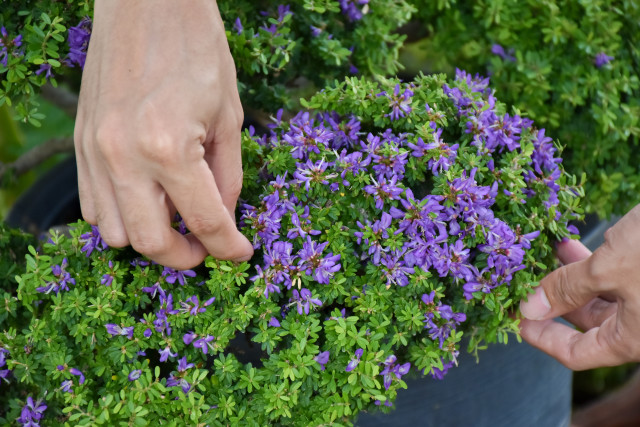
Bonsai Tree Care
Bonsai tree care is more than just plants—they are living art forms requiring balance, patience, and an understanding of nature. While they may appear delicate and mysterious, their care becomes intuitive with time. However, many beginners unknowingly make mistakes that can hinder the growth or even lead to the death of their bonsai. In this guide, we’ll explore the most common mistakes new bonsai owners should avoid to ensure their miniature tree thrives.
1. Choosing the Wrong Bonsai Species
One of the first and most critical decisions for any bonsai enthusiast is selecting the right tree species. Many beginners are drawn to the aesthetic beauty without considering the environmental requirements. Tropical species like Ficus may thrive indoors, while Junipers and Pines prefer outdoor conditions.
Tips to Avoid This Mistake:
- Research your climate and select a species that thrives in it.
- Ask your local nursery or bonsai retailer for species recommendations.
- Understand if your chosen bonsai is indoor or outdoor-oriented.
Check out the Indoor vs. Outdoor Bonsai Tree Guide to make the right decision from the start.
2. Overwatering or Underwatering
Watering is a fundamental part of bonsai care, yet it’s where most beginners falter. Overwatering can cause root rot, while underwatering can lead to dehydration and leaf drop. Bonsai soil should be well-draining yet retain enough moisture to support the tree’s needs.
How to Get It Right:
- Water only when the topsoil feels slightly dry to the touch.
- Use a watering can with a fine spout to avoid disturbing the soil.
- Consider your bonsai’s species, pot size, and climate when determining watering frequency.
Read our detailed guide on Proper Watering Techniques for Bonsai to keep your tree healthy.
3. Improper Placement
Where you place your bonsai is just as important as how you care for it. Sunlight, airflow, humidity, and temperature all influence your tree’s growth. Many new owners place their bonsai on a windowsill with insufficient light or in an area with drafts or fluctuating temperatures.
Best Practices:
- Place your bonsai where it receives appropriate sunlight (typically 4–6 hours daily).
- Avoid placing it near air conditioners, heaters, or drafty windows.
- Rotate your tree regularly for even growth.
Discover how to find the best location in our post on Best Places to Keep Your Bonsai.
4. Neglecting Pruning and Trimming
Bonsai is an art of shaping and maintaining balance. Neglecting regular pruning can cause the tree to lose its intended form and health. Some new owners fear cutting too much, while others prune too aggressively, damaging the tree’s structure.
Tips for Effective Pruning:
- Use sharp, clean pruning tools specifically designed for bonsai.
- Trim back new growth to maintain shape and encourage ramification.
- Remove dead or crossing branches promptly.
For in-depth techniques, read our article: How to Prune Bonsai Trees.
5. Using Inappropriate Soil
Standard potting soil doesn’t cut it for bonsai. These trees require soil that provides excellent drainage, aeration, and moisture retention. Many first-time bonsai owners make the mistake of using garden soil, which leads to poor root health.
Recommended Soil Components:
- Akadama for water retention and structure
- Pumice for aeration
- Lava rock for drainage
Explore the Wikipedia page on bonsai soil for additional insights into soil types and fertilization.
6. Skipping Repotting
Bonsai trees don’t like cramped roots. As they grow, repotting becomes necessary to avoid rootbound conditions. Failing to repot every 2–3 years leads to poor nutrient absorption and stunted growth.
Signs Your Bonsai Needs Repotting:
- Water runs straight through the pot
- Roots are circling around the soil surface
- The tree appears unhealthy despite proper care
Learn how to repot like a pro with our guide on Repotting Your Bonsai Tree.
7. Ignoring Seasonal Changes
Bonsai trees respond differently depending on the season. Some need protection from frost in winter, while others require more frequent watering in summer. Failing to adjust your care routine based on the season is a mistake that can cost the health of your tree.
Seasonal Care Checklist:
- Spring: Begin pruning and fertilizing
- Summer: Increase watering; provide shade if needed
- Autumn: Reduce feeding; prepare for winter
- Winter: Protect from frost; limit watering
We’ve detailed seasonal care in this post: Seasonal Bonsai Care Guide.
8. Not Studying Bonsai as a Discipline
Bonsai is not just about keeping a tree in a pot; it’s an evolving discipline that combines horticulture and art. New bonsai owners often treat it like a regular houseplant without investing time in learning the craft.
The more you learn, the better your bonsai will thrive. Study the traditional Japanese principles behind bonsai shaping, explore wiring techniques, and observe how masters style trees over time. Read, watch tutorials, and practice patiently.
Start with our foundational article: Bonsai Basics for Beginners.
Conclusion
Starting your bonsai journey can be incredibly rewarding, but it demands careful attention and a willingness to learn. Avoiding these common beginner mistakes can significantly increase your chances of growing a healthy, beautiful bonsai. From choosing the right species to mastering seasonal care, each step contributes to the overall well-being of your tree.
Explore our full range of helpful guides and beginner-friendly bonsai trees at BuyABonsaiTree.net. Begin your bonsai journey with confidence and clarity!