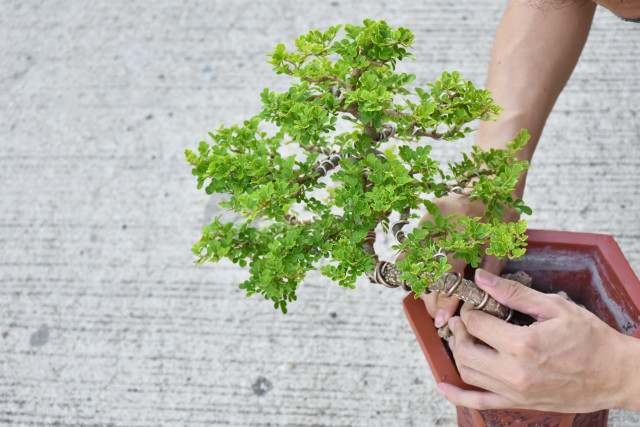
Seasonal Bonsai Care Guide: What to Do in Spring, Summer, Fall & Winter
I learned the hard way for Seasonal Bonsai Care Guide that bonsai trees don’t forgive laziness. One missed season, one wrong assumption, and suddenly a tree you’ve shaped for years looks… tired. Or worse. Seasonal bonsai care isn’t optional—it’s the rhythm that keeps these trees alive. And honestly? Once you understand that rhythm, everything feels calmer. Does that sound familiar?
Think of your bonsai like an athlete. Training changes with the season. You wouldn’t sprint in winter boots, right? Same logic applies here. Let’s walk through the year—not in a rigid textbook way, but the way real growers actually live it.
Why Seasonal Bonsai Care Actually Matters More Than You Think
Bonsai trees follow the same biological cycles as full-sized trees. Dormancy, growth spurts, energy storage—it’s all happening, just compressed into a pot. According to Wikipedia’s bonsai overview, the art relies on controlling growth without disrupting natural processes. That balance changes every season.
And here’s something people don’t say enough: most bonsai deaths happen not from neglect, but from doing the wrong thing at the wrong time.
Spring Bonsai Care: When Everything Wakes Up
Spring feels exciting. Buds swell. Leaves pop. And you suddenly want to do everything at once. I get it—I’ve been there. But spring rewards patience more than enthusiasm.
Repotting: The Narrow Window Most People Miss
Spring is repotting season for most species, especially deciduous trees like maples and elms. But timing matters. Repot too early, roots stay cold. Too late, and you shock active growth.
- Repot when buds swell, not after leaves fully open
- Use species-specific soil mixes
- Never bare-root conifers in spring
One year, I repotted a Japanese maple after leaf-out. It survived—but sulked all summer. Lesson learned.
Spring Pruning & Wiring (Less Is More)
Structural pruning works well now, but heavy wiring? That’s risky. Spring growth thickens branches fast, and wire scars happen quicker than you think.
But selective pruning? That’s where spring shines.
Summer Bonsai Care: Survival Mode Disguised as Growth
Summer looks peaceful. Leaves are full. Trees seem stable. But this is where beginners lose trees quietly.
Watering: It’s Not About Frequency
Here’s my rule: water when the soil tells you to. Not the clock.
- Check moisture 1–2 cm below the surface
- Use fine rose watering cans
- Avoid misting leaves at night (fungal risk)
Summer Sun & Heat Stress
Even sun-loving species can burn. I lost a juniper one May because I assumed “full sun” meant noon sun. It doesn’t.
Partial shade during peak heat saves lives. Bonsai trees can’t escape their pots.
Fertilizing in Summer (Dial It Back)
Strong fertilizer plus heat equals leggy growth. Slow-release organic feeds work best here. Personally, I prefer mild pellets replaced monthly.
Fall Bonsai Care: The Most Underrated Season
Fall doesn’t get enough respect. But if spring builds energy, fall stores it. Skip fall care and winter becomes dangerous.
Leaf Drop Isn’t the End—It’s the Signal
Deciduous trees dropping leaves aren’t dying. They’re conserving. This is when you stop chasing growth and start preparing for rest.
- Reduce nitrogen-heavy fertilizers
- Increase potassium for root strength
- Clean soil surface to prevent pests
Structural Wiring Works Best Now
Branches are flexible. Sap flow slows. Wiring scars heal slower but happen less often. Fall wiring is underrated—and incredibly effective.
Winter Bonsai Care: Doing Almost Nothing (Correctly)
Winter bonsai care feels counterintuitive. You do less—but you observe more.
Dormancy Isn’t Optional
Outdoor bonsai need cold dormancy. Bringing them indoors “to protect them” often kills them slowly.
According to research summarized in multiple horticulture studies, temperate trees require chill hours to reset growth hormones. Skip that, and spring growth weakens.
Cold Protection Without Suffocation
- Use mulch beds or cold frames
- Protect roots more than branches
- Avoid heated indoor rooms
I lost a pine once—not to frost, but to warmth. It never went dormant.
Indoor Bonsai: Seasonal Care Is Still Real
Ficus, jade, and other tropical species don’t sleep like outdoor trees. But seasons still affect light intensity, humidity, and watering.
During winter, growth slows. Water less. Fertilize lightly. Move closer to windows—but watch cold drafts.
Where I Source Seasonal Bonsai Tools & Trees
Over the years, I’ve browsed dozens of suppliers. One consistently useful resource for understanding species-specific seasonal needs is bonsaitreeforsale.net. Their descriptions often mention climate suitability—which most sellers skip.
Mini Case Study: One Tree, Four Seasons
A Chinese Elm I’ve kept for six years taught me this: bonsai isn’t about control—it’s about cooperation.
-
- Spring: Repotted lightly, pruned selectively
- Summer: Shade cloth added, fertilizer reduced
- Fall: Structural wiring and soil cleanup
- Winter: Outdoor dormancy with root insulation
It’s now the healthiest tree on my bench.
Final Thoughts (And a Quiet Reminder)
Seasonal bonsai care isn’t dramatic. It’s subtle. And that’s why people mess it up.
But once you stop fighting the seasons and start listening to them, bonsai becomes less stressful—and oddly meditative. You’re not forcing growth. You’re timing it.
And honestly? That mindset spills into other parts of life too.