14 Insights Into the Ancient Roots of Miniature Tree Artistry
Have you ever wondered about the Ancient Roots of Miniature Tree Artistry and the fascinating insights it offers into the rich history of bonsai? Step into a world where nature and art intertwine, where every leaf and branch is meticulously shaped to create a harmonious masterpiece.
From the ancient Chinese roots to the evolution of different styles and techniques in Japan, explore the cultural significance and symbolism behind these miniature wonders.
Discover the challenges and expertise required to maintain these living works of art, and gain a deeper appreciation for the beauty of nature in its most exquisite form.
Prepare to be captivated by the artistry and ingenuity that goes into the ancient tradition of bonsai.
Ancient Origins of Bonsai Tree Artistry
The ancient origins of bonsai tree artistry can be traced back over a thousand years, where it first took root in China before blossoming into a cherished art form that continues to captivate the world today. The ancient art of bonsai, with its rich history, originated in ancient China and became deeply woven into Japanese culture. Bonsai isn’t just about gardening; it’s a practice that transcends mere cultivation and becomes an art form. It celebrates nature’s beauty in miniature form and carries symbolic significance in Chinese philosophy.
Bonsai gained global popularity in the mid-20th century, fostering a global bonsai community that shares knowledge, techniques, and appreciation for this ancient art. But the roots of bonsai go back much further. The ancient Chinese believed that trees possessed spiritual and symbolic qualities, and by cultivating and shaping them into miniature forms, they could capture the essence of nature itself. Bonsai was also seen as a way to connect with the divine and achieve harmony with the natural world.
The ancient Chinese individuals who practiced this art form understood the importance of proper care and maintenance for bonsai. Factors such as sunlight, watering, and pruning were meticulously attended to, ensuring the health and longevity of these miniature trees. This attention to detail and commitment to nurturing the bonsai reflect the deep respect and reverence for nature that the ancient Chinese held.
Influence of Chinese Culture on Bonsai
After exploring the ancient origins of bonsai tree artistry, it’s fascinating to delve into the profound influence that Chinese culture has had on this cherished art form. Bonsai, which originated in China over a thousand years ago, became deeply woven into Japanese culture. Chinese scholars and artists found inspiration in nature, using bonsai as a symbol of harmony and balance. This appreciation for nature and the symbolic significance of bonsai in Chinese philosophy has greatly influenced the art of bonsai.
Japanese bonsai artists have been heavily influenced by traditional Chinese aesthetics. They incorporate elements like asymmetry and balance into their creations, reflecting the Chinese influence on their art. Understanding different bonsai styles not only enriches our appreciation of the art form but also showcases the deep influence of Chinese culture.
Chinese bonsai, known as penjing, emphasizes the natural beauty of trees and landscapes. It focuses on creating miniature versions of natural scenery, with meticulously crafted trees and carefully arranged rocks and other elements. This attention to detail and the desire to capture the essence of nature can be traced back to the ancient Chinese bonsai tradition.
Early Japanese Bonsai Traditions
Now, let’s turn our attention to the early Japanese traditions surrounding bonsai. These traditions have played a vital role in shaping the art form into what it’s today.
In this discussion, we’ll explore the historical origins of bonsai in Japan and the influential bonsai masters who contributed to its development.
Get ready to uncover the fascinating roots of this ancient artistry.
Historical Origins of Bonsai
Centuries ago, in the land of the rising sun, a practice emerged that would transform the cultivation of trees into an exquisite art form – Bonsai. Although the origins of bonsai can be traced back to ancient China, it was in Japan that this ancient art form truly flourished.
The Japanese embraced bonsai as a representation of harmony and balance, incorporating it into their daily lives. Bonsai became deeply woven into Japanese culture, evolving from a practice of cultivating miniature trees into a contemplative art form. Various styles, such as formal upright and cascade, were developed to capture the essence of nature in miniature form.
Bonsai embodies the beauty of nature and holds symbolic significance in Chinese philosophy. Today, bonsai has gained global popularity, fostering a vibrant bonsai community that resonates with people worldwide.
Influential Bonsai Masters
Having explored the historical origins of bonsai and its deep integration into Japanese culture, we now turn our attention to the influential bonsai masters who laid the foundation for early Japanese bonsai traditions.
These masters were true artists, integrating Chinese penjing artistry with Japanese aesthetics to create stunning bonsai trees that captured the essence of nature and artistry.
Their work and teachings not only influenced the evolution and refinement of bonsai, but also inspired a deep appreciation for the beauty and harmony of miniature trees.
Their creations continue to inspire contemporary bonsai artists, serving as a timeless testament to their skill and mastery.
Through their dedication and passion, these bonsai masters have left a lasting legacy that will forever be revered in the world of bonsai art.
Significance of Miniature Tree Symbolism
Symbolizing harmony and balance, bonsai has deep roots in Chinese and Japanese culture, evolving from a simple gardening practice to a contemplative art form that captivates enthusiasts worldwide. The significance of miniature tree symbolism in bonsai lies in its ability to convey artistic expression and cultural significance.
Bonsai is more than just a horticultural endeavor; it’s a form of artistic expression. By carefully cultivating and shaping miniature trees, bonsai artists create living masterpieces that reflect their creativity and skill. The attention to detail and the meticulous techniques used in bonsai cultivation serve to capture the essence of nature and evoke a sense of tranquility and beauty.
In addition to its artistic value, bonsai holds cultural significance in both Chinese and Japanese traditions. In Chinese philosophy, miniature trees represent a microcosm of the natural world, reflecting the nation’s deep appreciation for nature. Similarly, in Japan, bonsai embodies the concept of wabi-sabi, which celebrates the imperfect, transient, and humble aspects of life. The practice of bonsai encourages contemplation and mindfulness, connecting individuals with the natural world and fostering a sense of harmony and balance.
The cultural significance of bonsai extends beyond individual appreciation, as bonsai enthusiasts gather globally in clubs, conventions, and workshops. This widespread interest in bonsai has created a community of individuals who share a deep appreciation for nature and the artistry of miniature tree cultivation. Through the practice of bonsai, people from different cultures and backgrounds come together, united by their love for this ancient art form.
Evolution of Bonsai Styles and Techniques
The evolution of bonsai styles and techniques has been a fascinating journey, showcasing the ingenuity and creativity of bonsai artists throughout history. This ancient art form has evolved over centuries, rooted in the rich history of bonsai and the Japanese traditions that have shaped it.
Here are three key aspects of the evolution of bonsai styles and techniques:
- Fusion of Chinese and Japanese Influences: Bonsai originated in China over a thousand years ago and was later embraced by the Japanese, who transformed it into a contemplative art form. The Japanese added their own unique aesthetic principles, such as asymmetry and balance, creating a distinct fusion of styles that defines bonsai today.
- Diverse Bonsai Styles: Bonsai artists have developed various styles that showcase their artistic expressions. These styles include the formal upright, which represents strength and stability, the informal upright, which portrays a more relaxed and natural appearance, the slanting style, which conveys movement and dynamism, the cascade style, reminiscent of a tree growing on a cliff, and the bunjin style, which emphasizes elegance and grace.
- Global Bonsai Community: Bonsai’s universal appeal has fostered a global community of enthusiasts. Bonsai clubs, conventions, and workshops bring together people from different cultures and backgrounds who share a passion for miniature tree artistry. This sense of community enables the exchange of ideas, techniques, and inspiration, enriching the evolution of bonsai styles and techniques.
Through the history of bonsai, the art form has evolved into a captivating blend of cultures and styles, inspiring artists worldwide to explore new possibilities and push the boundaries of this ancient tradition.
Spread of Bonsai Culture Across the Globe
As you explore the spread of Bonsai culture across the globe, you’ll discover the profound global influence of this art form. Bonsai has become a vehicle for cultural exchange, connecting people from different backgrounds through a shared appreciation for nature’s beauty in miniature form.
This cross-cultural adaptation has allowed Bonsai to evolve, with Western countries finding their own unique voices and styles, while also influencing the traditional Japanese Bonsai world.
Global Bonsai Influence
With its origins in China and deep roots in Japanese culture, the art of bonsai has transcended borders and captivated enthusiasts around the world. Bonsai’s global influence can be seen in the following ways:
- Worldwide Community: Bonsai has brought together a diverse group of passionate individuals from different countries and backgrounds. These bonsai artists share a common love for the art form, fostering a global community that supports and inspires one another.
- Cultural Exchange: As bonsai spread across the world, it adapted to different cultures and reflected their unique aesthetic ideals. This cultural exchange enriched the art form, allowing for a wide variety of styles and techniques to emerge.
- Revival of Chinese Arts: Bonsai’s popularity has sparked a renewed interest in Chinese arts and craftsmanship. The intricate skill required to create and care for bonsai trees aligns with the precision and attention to detail found in traditional Chinese arts.
Cultural Exchange Through Bonsai
Immerse yourself in the vibrant world of bonsai as it travels across oceans, cultures, and generations, spreading its captivating beauty and inspiring a global community of passionate enthusiasts.
Bonsai, with its ancient roots in China and its deep integration into Japanese culture, has become a symbol of harmony and balance.
In the mid-20th century, bonsai gained popularity worldwide, leading to the establishment of clubs, conventions, and workshops that fostered a global bonsai community. This cultural exchange through bonsai cultivation has allowed enthusiasts from different backgrounds to come together, sharing their knowledge, techniques, and appreciation for the art form.
Bonsai styles, such as formal upright, informal upright, slanting, cascade, and bunjin, reflect diverse cultural traditions, showcasing the expressive potential of this miniature tree artistry.
As bonsai continues to evolve and adapt across different cultures, it remains a symbol of longevity, wisdom, and tranquility, transcending borders and creating connections among people who share a passion for this ancient art.
Bonsai’s Cross-Cultural Adaptation
Bonsai’s cross-cultural adaptation has captivated enthusiasts around the globe, bridging cultures and generations through its mesmerizing beauty and timeless artistry. This ancient art form hasn’t only spread worldwide but has also seamlessly integrated into different cultural contexts, becoming a symbol of harmony and balance. Its ability to adapt and resonate with people globally is truly remarkable.
The Nippon Bonsai Association and the World Bonsai Friendship Federation have played crucial roles in spreading bonsai cultivation knowledge and fostering a global bonsai community. Bonsai enthusiasts gather in clubs, conventions, exhibitions, and workshops worldwide, sharing their passion and exchanging ideas.
Bonsai cultivation and maintenance require a deep understanding of factors like sunlight, watering, and pruning, making it a skill that connects people across cultures. Through its cross-cultural adaptation, bonsai continues to captivate and inspire individuals worldwide, fostering a sense of unity and appreciation for nature’s beauty.
Challenges Faced by Early Bonsai Enthusiasts
Early bonsai enthusiasts faced numerous challenges in their pursuit of cultivating these miniature trees. One of the primary challenges was finding suitable pots for their bonsai trees. Unlike regular potted plants, bonsai trees required special pots that were shallow, had good drainage, and complemented the overall aesthetics of the tree. This involved searching for unique pots that matched the specific requirements of each bonsai tree.
In addition to finding suitable pots, bonsai enthusiasts had to acquire the necessary knowledge and expertise for the care and maintenance of their trees. Bonsai cultivation required horticultural skills that went beyond basic gardening. Enthusiasts had to consider factors like sunlight, watering, and pruning to ensure the health and shape of their bonsai trees. This required a deep understanding of the specific needs of each tree species and the ability to adapt their care practices accordingly.
Maintaining the health and shape of bonsai trees was a continuous challenge for early enthusiasts. Bonsai trees required regular pruning to maintain their desired shape and to prevent them from growing too large. This required patience, precision, and a keen eye for detail. Furthermore, bonsai trees were susceptible to pests and diseases, making their care even more challenging.
Lastly, bonsai cultivation was originally reserved for nobility and scholars, posing challenges for wider accessibility and participation. This exclusivity limited the availability of resources and knowledge, making it difficult for early bonsai enthusiasts to learn and grow their skills.
Modern Developments in Bonsai Artistry
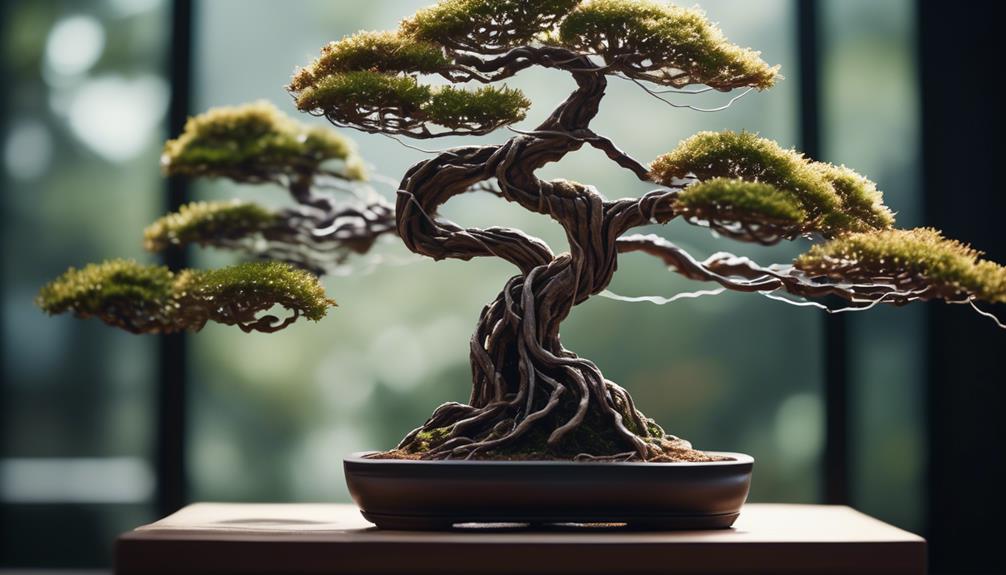
As bonsai artistry evolved from its early challenges, it transformed into a contemplative art form in Japan, transcending the realm of mere gardening. Today, modern developments in bonsai artistry have taken this ancient practice to new heights.
Here are three key aspects of the current bonsai artistry scene that evoke a sense of wonder and appreciation:
- Diverse Styles: Modern bonsai artistry encompasses a wide range of styles, each with its own unique characteristics and aesthetic appeal. From the formal upright style that exudes elegance and balance, to the slanting style that portrays resilience and determination, bonsai artists have mastered the art of expressing beauty through various tree forms. Each style tells a story and invites contemplation.
- Global Community: Bonsai artistry has gained global popularity, creating a vibrant and passionate community of enthusiasts. Bonsai clubs, conventions, and exhibitions are thriving worldwide, providing opportunities for artists to connect, learn, and showcase their creations. The global nature of bonsai artistry fosters a sense of unity and shared appreciation for the beauty of miniature trees.
- Symbolic Significance: Beyond their aesthetic appeal, bonsai trees hold symbolic significance in different cultures. They represent harmony, balance, and the enduring spirit of nature. The practice of bonsai care involves nurturing and shaping these living sculptures, reflecting the artist’s dedication and respect for the natural world. The symbolic meaning behind bonsai adds depth and emotional resonance to this ancient art form.
In the modern world, bonsai artistry continues to captivate and inspire, inviting us to pause, reflect, and connect with the beauty and symbolism of these miniature trees.
Choosing the Right Bonsai Tree
To choose the right bonsai tree for your collection, it’s essential to consider various factors such as the tree’s species, size, and overall aesthetic appeal.
Bonsai trees come in a wide range of species, each with its own unique characteristics. Some popular species include juniper, pine, maple, and ficus.
The size of the tree is also an important consideration. Bonsai trees can range from a few inches to several feet in height, and the size should be chosen based on the available space and the desired visual impact.
Additionally, the overall aesthetic appeal of the bonsai tree should be taken into account. Look for a tree that has a harmonious balance between the trunk, branches, and foliage. Consider the shape, texture, and color of the leaves, as well as the tree’s overall form and style. Remember that bonsai is an art form, and the beauty of the miniature tree should evoke a sense of tranquility and natural elegance.
Proper Watering Techniques for Bonsai
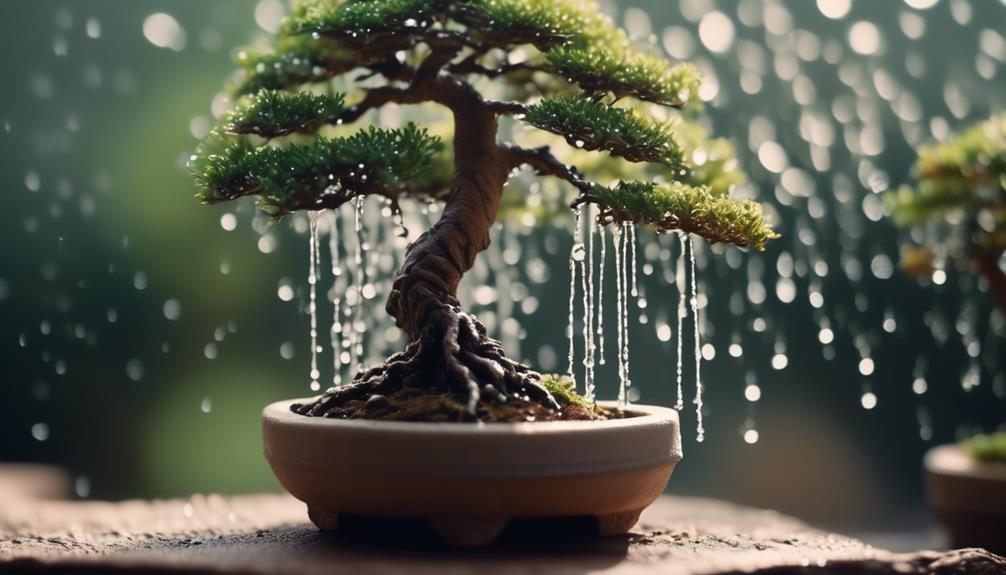
To ensure the health and vitality of your bonsai tree, it’s crucial to understand proper watering techniques. The frequency of watering will depend on factors such as the tree species, pot size, and environmental conditions.
When watering, make sure to thoroughly saturate the entire root system, allowing the water to penetrate the soil.
Watering Frequency
Proper watering techniques are essential for maintaining the health and growth of bonsai trees, requiring a careful balance to ensure their vitality. Here are three important tips to consider when it comes to watering your bonsai:
- Consistency: Bonsai trees often require daily watering, especially during hot and dry weather. This consistency helps mimic the natural conditions in which these trees thrive, ensuring they receive the necessary hydration to flourish.
- Thoroughness: When watering your bonsai, it’s crucial to do so thoroughly. Water the tree until it drains out of the pot’s bottom, ensuring that the roots receive ample moisture. This allows the tree to absorb the water it needs to sustain its growth.
- Adaptability: The frequency of watering may vary depending on factors such as climate and tree species. It’s important to monitor the moisture level of the soil and adjust your watering schedule accordingly. Overwatering or underwatering can have detrimental effects on the bonsai’s health, so paying attention to the needs of your tree is essential.
Watering Techniques
Mastering the art of proper watering is crucial for the health and vitality of your bonsai trees.
Watering techniques for bonsai trees have been refined over thousands of years, resulting in the survival and beauty of these miniature trees.
The key to successful watering lies in monitoring the soil moisture and adjusting the watering frequency accordingly.
Bonsai trees have different water requirements depending on factors such as the species, the size of the pot, and the season.
It’s important to water your bonsai thoroughly, ensuring that the water reaches all parts of the root system.
However, overwatering can lead to root rot, while underwatering can cause the tree to dry out and wither.
Finding the right balance is essential for the health and longevity of your bonsai tree, allowing it to thrive and continue to be a living artistic expression for hundreds of years to come.
Watering Tools
Using the right tools and techniques for watering is essential to maintain the health and balance of your bonsai trees. In the bonsai community, watering your miniature trees is seen as an art form that requires precision and care.
Here are three watering tools that are commonly used in the bonsai world:
- Watering can with a fine rose: This specialized tool allows for gentle and even distribution of water, preventing soil disturbance and root damage. It mimics the rain, which is important for replicating natural growing conditions.
- Moisture meter: This handy device helps you determine the moisture level of the soil. By inserting the probe into the soil, you can accurately gauge if your bonsai needs watering or if it’s still adequately hydrated.
- Spray bottle: For delicate bonsai species or young trees, a spray bottle is ideal. It provides a fine mist that can be used to hydrate the foliage, ensuring proper moisture without excessive soaking.
Mastering the art of watering is an integral part of bonsai care, deeply rooted in Japanese culture and the bonsai community. With the right tools and techniques, you can ensure the vitality and beauty of your bonsai trees.
Providing Adequate Sunlight for Bonsai
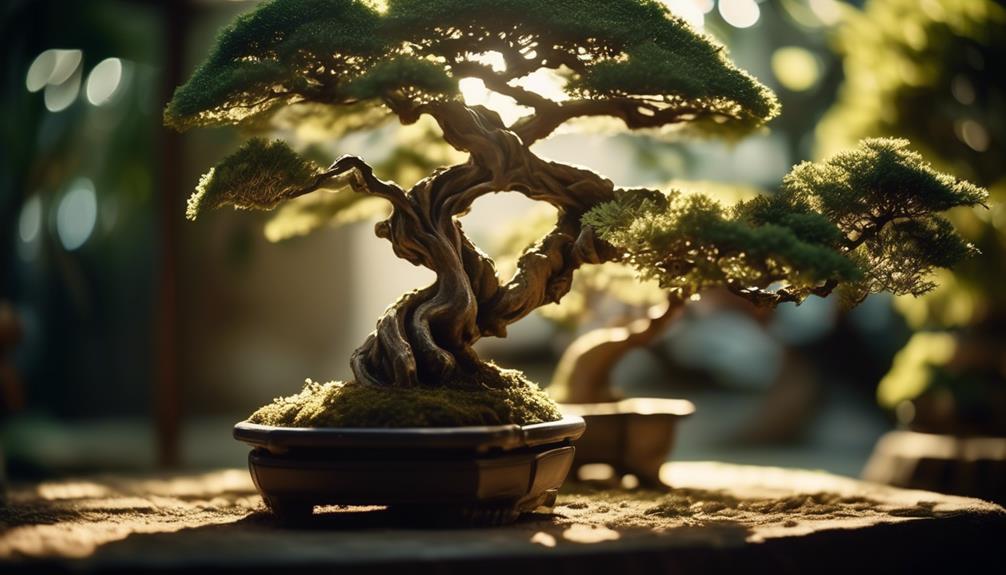
To ensure the healthy growth and development of your bonsai, it’s crucial to provide adequate sunlight that caters specifically to the sunlight needs of the species. Sunlight is essential for the health and vitality of your bonsai tree. Most bonsai species require direct sunlight for a minimum of four to six hours a day. However, it’s important to note that some species may require partial shade to thrive.
When determining the placement of your bonsai, consider the specific sunlight needs of the species. Some famous bonsai, such as the Japanese maple, require filtered sunlight to prevent leaf scorching. On the other hand, species like the Juniper bonsai thrive in full sun.
Insufficient sunlight can have detrimental effects on the health of your bonsai. Without adequate sunlight, the growth of your bonsai may become weak, and the leaves may turn pale. In extreme cases, the bonsai may not survive.
To ensure balanced growth, it’s essential to regularly rotate your bonsai. This will allow all sides of the tree to receive even sunlight exposure. By rotating the bonsai, you prevent the development of lopsided growth and promote overall health.
Pruning and Shaping Bonsai Trees
Pruning and shaping are fundamental techniques in the art of bonsai, allowing you to meticulously sculpt and refine the tree’s form to create a miniature masterpiece. Bonsai transcends mere horticulture, as it offers a profound reflection of nature’s beauty and the artist’s vision.
Here are three reasons why pruning and shaping bonsai trees are essential:
- Maintaining the desired shape: Through careful pruning, you can control the growth of the bonsai tree and ensure it maintains the desired shape and size. By removing excess branches and foliage, you can highlight the tree’s unique features and create a harmonious balance between its elements.
- Refining the appearance: Regular pruning is necessary to refine the tree’s appearance and encourage new growth. Trimming back branches and leaves helps create a more compact and aesthetically pleasing tree structure. It allows you to enhance the overall symmetry, balance, and proportion of the bonsai, resulting in a visually appealing and captivating masterpiece.
- Manipulating the tree’s form: Shaping involves manipulating the tree’s branches and trunk to achieve the desired aesthetic. By carefully wiring and bending the branches, you can create elegant curves, twists, and turns, mimicking the natural growth patterns found in full-sized trees. This technique allows you to express your artistic vision and breathe life into your bonsai creation.
Pruning and shaping bonsai trees require patience, skill, and an understanding of the tree’s growth patterns. By mastering these techniques, you can transform a simple tree into a work of art that reflects the beauty and harmony of nature.
Understanding Soil Requirements for Bonsai
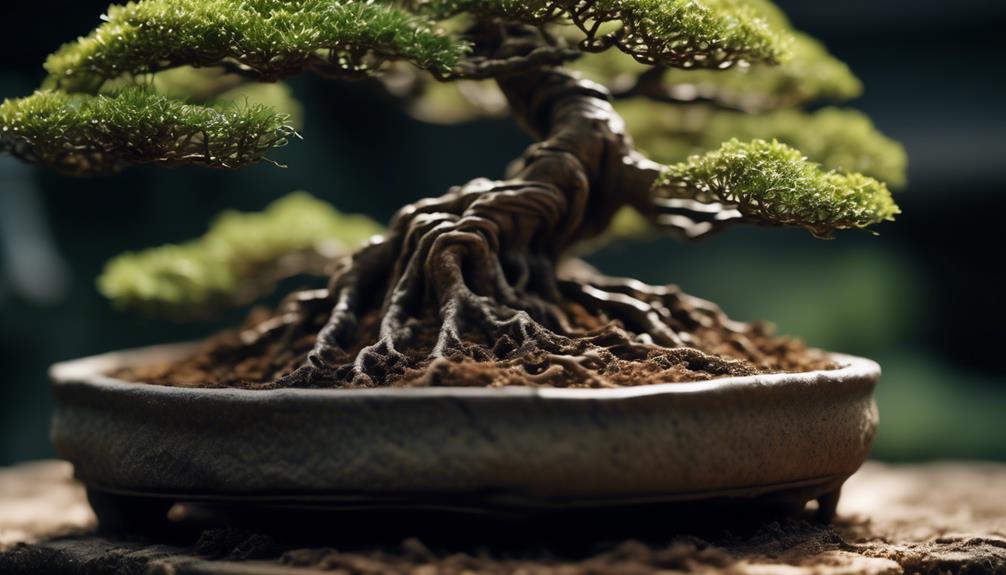
Understanding the soil requirements for bonsai is crucial for the health and growth of these miniature trees. It directly impacts their drainage, composition, pH level, moisture retention, and overall well-being. Proper soil composition is essential for providing optimal drainage. The soil mixture should consist of inorganic components such as gravel, sand, and grit to prevent waterlogging and ensure excess water drains away easily. This prevents root rot and other diseases.
In addition to drainage, the soil pH level should be suitable for the specific bonsai species being cultivated. Different species have different pH preferences, and it’s essential to match the soil pH to their needs. This helps maintain the proper nutrient balance and supports healthy root development.
Moisture retention is another vital factor to consider. The soil mixture should allow for adequate aeration while still retaining enough moisture for the trees. This balance is necessary for the trees to thrive. Too much moisture can lead to root suffocation, while too little can cause dehydration and stress.
Understanding the soil requirements for bonsai is especially crucial during winter dormancy. The trees’ growth slows down, and their water requirements decrease. Therefore, the soil mixture should be adjusted to provide less moisture retention to prevent overwatering during this time. This ensures the trees remain healthy and prepare for the growth phase in the coming spring.
Wisely Fertilizing Bonsai Trees
To ensure the health and growth of your bonsai tree, it’s crucial to understand its nutrient requirements. Choosing the right fertilizers is essential, as different bonsai trees have specific needs.
It’s recommended to use slow-release organic fertilizers to prevent over-fertilization. Timing and frequency of fertilization should be considered, sparingly during the growing season and avoided during winter.
Proper fertilization will enhance the overall health and beauty of your bonsai tree.
Nutrient Requirements for Bonsai
Carefully managing the nutrient levels of your bonsai trees is essential for their thriving and overall health. Understanding the nutrient requirements of bonsai trees is crucial for their proper care. Here are three important points to consider when it comes to nutrient requirements for bonsai:
- Balance is key: Bonsai trees require a well-balanced mix of macro and micronutrients. Nitrogen, phosphorus, and potassium are essential for growth, while trace elements like iron, manganese, and zinc are necessary for overall health. Finding the right balance is crucial to prevent deficiencies or toxicities.
- Moderation is crucial: Fertilizing bonsai trees should be done wisely and in moderation. Over-fertilizing can lead to burning or damaging the delicate roots of bonsai trees. It’s important to follow the recommended dosage and frequency for your specific bonsai tree species.
- Aesthetic philosophy: Nutrient requirements may vary depending on the aesthetic philosophy you want to achieve with your bonsai. Some bonsai styles require slower growth, while others aim for more vigorous growth. Adjusting the nutrient levels accordingly can help you achieve the desired aesthetic outcome.
Choosing the Right Fertilizers
When it comes to wisely fertilizing bonsai trees, choosing the right fertilizers is essential for their health and growth.
Organic fertilizers are a great option as they provide essential nutrients without the risk of over-fertilization. These fertilizers, derived from natural sources, cultivate a sense of harmony with nature, which is an integral part of bonsai’s rich heritage.
Slow-release fertilizers are also beneficial for bonsai trees, as they slowly release nutrients over an extended period of time, ensuring continuous nourishment.
On the other hand, liquid fertilizers are suitable for frequent feeding and are easily absorbed by the bonsai tree’s roots.
When selecting fertilizers, it’s important to consider the specific needs of the bonsai tree species, as different species may require different nutrient compositions.
Timing and Frequency of Fertilization
Wisely fertilizing bonsai trees involves understanding the optimal timing and frequency of fertilization, ensuring that your miniature tree receives the nourishment it needs to thrive. Here are three key points to consider when it comes to the timing and frequency of fertilization:
- Seasonal variations: Bonsai trees have different nutrient requirements throughout the year. During the growing season, which is typically spring and summer, they require more frequent fertilization to support their active growth. In contrast, during the dormant period in winter, fertilization should be reduced or stopped altogether to prevent excessive growth.
- Balance and moderation: It’s important to strike a balance with fertilization. Too much fertilizer can lead to excessive growth, weak branches, and even root burn. On the other hand, too little fertilizer can result in stunted growth and poor health. Regularly monitor your bonsai tree’s response to fertilization and adjust accordingly.
- Consistency and patience: Consistency in fertilizing your bonsai tree is key to maintaining its health and vitality. Develop a fertilization schedule and stick to it, providing a steady supply of nutrients. Remember, bonsai cultivation requires patience, so don’t expect instant results. Instead, observe how your tree responds over time and make adjustments as necessary.
Frequently Asked Questions
What Is the Meaning of Miniature Tree?
The meaning of a miniature tree, also known as bonsai, goes beyond its physical appearance. It symbolizes harmony and balance, bringing nature’s tranquility into daily life. Its history, techniques, and cultural symbolism make it a fascinating art form.
What Is the Art of Growing a Miniature Tree?
The art of growing a miniature tree involves using techniques, tools, and inspiration to cultivate a living masterpiece. Careful pruning, shaping, and nurturing create a harmonious balance between nature and human creativity.
What Is the Art of Cultivating Miniature Trees?
Cultivating miniature trees is an art that requires mastering techniques like pruning, wiring, and shaping. Its historical origins can be traced back to China, and it has a profound aesthetic appeal, reflecting Japan’s core philosophies of wabi-sabi and shibui.
What Is the Significance of the Bonsai Tree?
The bonsai tree holds great significance in symbolism and cultural importance, representing harmony, balance, and patience. Cultivating bonsai trees offers therapeutic benefits, allowing you to connect with nature and find tranquility. Remember to provide proper care and maintenance, such as pruning and watering regularly.