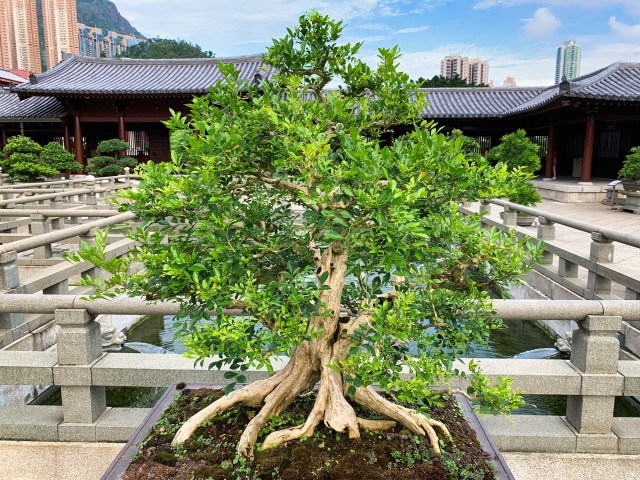
Choose First Bonsai Tree
Starting your bonsai journey and to Choose First Bonsai Tree is both exciting and rewarding. These miniature trees, steeped in centuries of tradition, offer not only beauty but also a profound sense of patience and mindfulness. But if you’re new to the art, you may be wondering — how do you choose your first bonsai tree?In this guide, we’ll walk you through everything you need to consider before buying your first bonsai — from the best species for beginners to indoor vs. outdoor care, and even where to buy a healthy tree.
Understanding What a Bonsai Tree Really Is
Bonsai is not a specific species of plant but an art form that involves cultivating small trees in containers. The goal is to create a miniature version of a full-sized tree that mimics the shape and style of those found in nature. According to Wikipedia, bonsai originated in China and was later refined in Japan into the style we know today.
Indoor vs. Outdoor Bonsai: What’s the Difference?
Before selecting a bonsai tree, you’ll need to decide whether you want to keep it indoors or outdoors. This decision greatly influences which species you can choose and how much maintenance it will require.
Indoor Bonsai Trees
Some bonsai trees are better suited for indoor environments, especially if you live in a region with harsh winters. Great indoor bonsai species include:
- Ficus (Ficus retusa)
- Chinese Elm (Ulmus parvifolia)
- Jade Plant (Crassula ovata)
- Dwarf Schefflera
Outdoor Bonsai Trees
Outdoor bonsai trees generally thrive in more natural seasonal cycles. These are best for those who can place their trees on a balcony, patio, or garden area. Popular outdoor bonsai species include:
- Juniper (Juniperus spp.)
- Pine (Pinus spp.)
- Maple (Acer palmatum)
- Azalea (Rhododendron spp.)
Top Factors to Consider When Choosing Your First Bonsai Tree
1. Maintenance Level
If you’re a beginner, go for a species that’s hardy and requires minimal care. Ficus and Chinese Elm are top picks because they can tolerate beginner mistakes.
2. Light Requirements
Some bonsai species demand a lot of sunlight, while others can tolerate low-light conditions. Make sure to consider the natural lighting in your space before choosing a tree.
3. Watering Needs
Bonsai watering can be tricky. Some species require daily watering, while others, like the Jade plant, are more drought-tolerant. Understanding your schedule and choosing a species that matches it is key.
4. Size and Shape Preferences
Bonsai come in a variety of sizes and styles — from formal upright to cascade. Beginners might want to start with a medium-sized tree in a simple style, such as informal upright or slanting.
5. Climate Compatibility
Outdoor bonsai trees should match the climate of your area. A Japanese Maple may not fare well in extremely hot and dry environments, for instance.
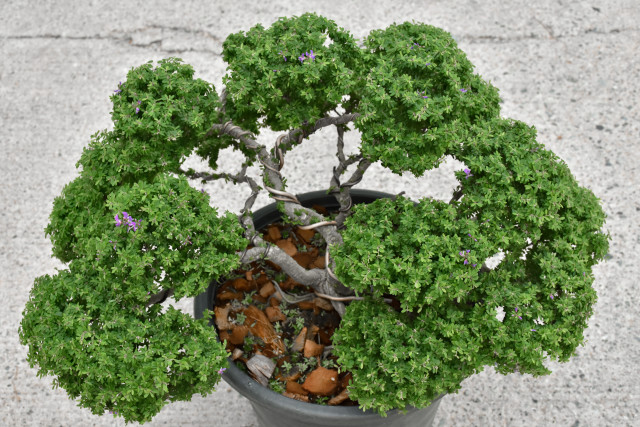
Best Bonsai Species for Beginners
Here are a few tried-and-true bonsai species perfect for newcomers:
- Ficus: Very tolerant of indoor conditions and pruning errors.
- Chinese Elm: Fast-growing and easy to shape; suitable for both indoors and mild climates.
- Juniper: Ideal for outdoor beginners; loves full sun and has a classic bonsai look.
- Jade: Requires minimal watering, ideal for people with busy lifestyles.
Where to Buy Your First Bonsai Tree
Not all bonsai trees are created equal, and buying from a reputable source can make a big difference in your experience. That’s why we recommend exploring the expertly curated collection at BuyABonsaiTree.net. Whether you’re looking for an indoor ficus or a hardy juniper for your patio, you’ll find healthy, beautifully trained trees perfect for beginners.
How to Care for Your Bonsai After Purchase
1. Placement
Ensure your bonsai gets the right balance of sunlight and air circulation. Avoid placing it directly above heat sources or under air conditioning vents.
2. Watering
Check the soil daily, especially in warmer months. Water thoroughly when the topsoil feels dry — never let it dry out completely or become soggy.
3. Pruning and Shaping
Use sharp, clean scissors to prune branches and leaves. For shaping, wiring is used — a technique that requires some practice, so don’t be afraid to start slow.
4. Repotting
Repot your bonsai every 1–2 years to refresh the soil and prevent root binding. Spring is usually the best time for this.
5. Fertilizing
Bonsai need nutrients just like any other plant. Use a balanced fertilizer every few weeks during the growing season (spring through fall).
Common Mistakes Beginners Should Avoid
- Overwatering: Leading cause of root rot.
- Improper lighting: Make sure the species matches your environment.
- Neglecting pruning: Regular maintenance helps retain the tree’s shape.
- Skipping repotting: Roots need room to grow and breathe.
Why Owning a Bonsai Is More Than Just Gardening
Bonsai isn’t just a plant — it’s a living piece of art. The care you put into your tree can be meditative, even spiritual. In fact, in traditional Japanese culture, bonsai is viewed as a bridge between nature, humanity, and artistic expression. Learn more about the cultural significance of bonsai on Wikipedia.
Ready to Get Started?
Choosing your first bonsai doesn’t have to be intimidating. With the right guidance, a little patience, and the perfect beginner tree, you’re well on your way to becoming a bonsai enthusiast.
For expert tips, beginner bundles, and premium trees, explore the full collection at BuyABonsaiTree.net.