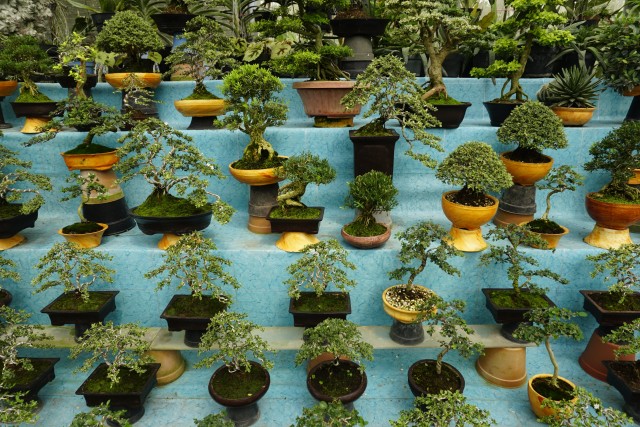
Grow a bonsai tree
Whether you’re a nature lover, a mindful gardener, or someone simply fascinated by miniature trees, learning how to grow a bonsai tree is an art and science in itself. In this complete guide, we will walk you through every step needed to start and care for a bonsai tree in your home.
For more bonsai supplies, tips, and beginner-friendly trees, visit https://buyabonsaitree.net.
1. What Is a Bonsai Tree?
The word “bonsai” originates from Japan and means “planted in a container.” It refers to the art of cultivating miniature trees that replicate the shape and scale of full-sized trees. Bonsai has its roots in ancient Chinese horticultural practices, which were later refined in Japan. You can read more about its history here on Wikipedia.

2. Choosing the Right Bonsai Tree Species
Indoor vs Outdoor Bonsai
When starting out, it’s essential to decide whether you want an indoor bonsai or one that thrives outdoors. Some of the most beginner-friendly indoor species include:
- Ficus Bonsai
- Chinese Elm
- Jade Plant
- Hawaiian Umbrella Tree
Best Bonsai Trees for Beginners
If you’re new to bonsai, it’s best to choose a hardy species that’s forgiving. Consider starting with:
- Juniper
- Boxwood
- Ficus Retusa
- Japanese Maple
3. Tools You Need to Grow Bonsai
Every bonsai enthusiast needs the right tools. These include:
- Concave cutters
- Pruning shears
- Root rake
- Watering can with a fine nozzle
- Bonsai wire
You can easily find beginner bonsai kits at https://buyabonsaitree.net.
4. Step-by-Step: How to Plant a Bonsai Tree
Step 1: Select Your Tree and Pot
Choose a small sapling from one of the species listed earlier. Then, pick a shallow pot with good drainage holes to plant your bonsai.
Step 2: Prune the Roots
Remove the plant from its container and gently prune the roots. This helps prevent the tree from becoming root-bound and promotes healthy growth.
Step 3: Potting Your Bonsai
Fill the pot with bonsai soil mix (grit, akadama, and organic compost). Position the tree slightly off-center for a more natural look. Add more soil and gently press around the roots to secure the plant.
Step 4: Water Thoroughly
After planting, give your tree a deep soak until water drains from the bottom. This helps settle the roots and start the acclimation process.
5. How to Water a Bonsai Tree
Watering is a crucial part of bonsai care. The rule of thumb is to water when the top 1 inch of soil feels dry. Overwatering can cause root rot, while underwatering can dry out the tree.
Use a fine-nozzle watering can to mimic rainfall. Some trees require daily watering in summer, and less in winter.
6. Lighting and Temperature Conditions
Most bonsai species require 5-6 hours of direct or filtered sunlight. Indoor bonsais should be placed near a south-facing window or under grow lights. Avoid sudden temperature fluctuations.
7. Pruning and Shaping Your Bonsai Tree
Why Prune?
Pruning is essential to maintain the miniature size and shape of a bonsai. There are two main types of pruning: structural and maintenance pruning.
How to Shape Using Bonsai Wire
Wiring allows you to guide branch growth by wrapping wire around branches and gently bending them into shape. Remove the wire before it cuts into the bark, usually within 3–6 months.
8. Repotting Your Bonsai
Repot your bonsai every 2–3 years to prevent root binding and refresh the soil. Spring is the best time to do this when your tree is coming out of dormancy.
9. Common Bonsai Tree Problems and Solutions
Pests and Diseases
Watch out for spider mites, aphids, and fungal infections. Use organic insecticidal soap and ensure proper air circulation to prevent diseases.
Yellowing Leaves
This is often a sign of overwatering or poor drainage. Adjust your watering routine and check for root rot.
Leaf Drop
Can be due to stress, insufficient light, or cold drafts. Ensure a stable, growing environment.
10. Seasonal Bonsai Tree Care
Spring
Time for pruning, repotting, and feeding. Your tree will enter an active growth phase.
Summer
Water frequently and protect from intense afternoon sun. Watch out for pests.
Fall
Reduce watering. Prepare for leaf drop and slower growth.
Winter
Keep outdoor bonsai dormant. Indoor trees need protection from dry heat and consistent humidity.
11. Bonsai Tree Care Tips for Beginners
- Be patient. Bonsai is a long-term art form.
- Start with a hardy species.
- Don’t prune too aggressively in the beginning.
- Check moisture daily.
- Use proper bonsai soil, not regular garden soil.
12. Final Thoughts on Growing Bonsai at Home
Learning how to grow a bonsai tree at home is a fulfilling and meditative practice. With the right species, care routine, and patience, you can create a living piece of art that thrives in your home for years to come.
For starter kits, tools, and beautiful bonsai trees, visit https://buyabonsaitree.net.