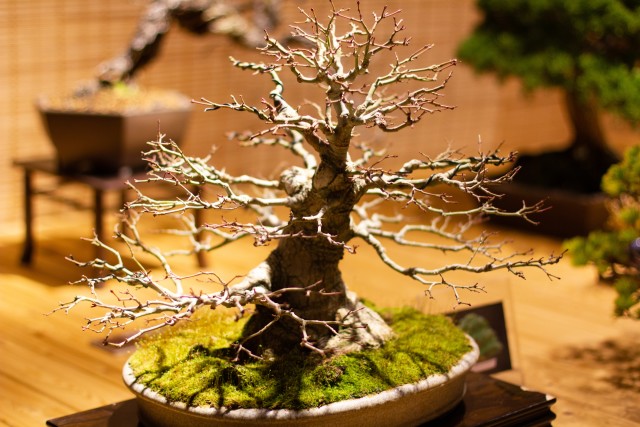
Why Is Bonsai Tree Dying? Causes, Fixes, and Recovery Tips
The first time one of my Bonsai Tree Dying and started dropping leaves, I panicked. And I mean full-on “Google everything at 2 a.m.” panic.The tree wasn’t dead yet—but it was clearly unhappy. Does that sound familiar?
Here’s the uncomfortable truth most bonsai guides don’t admit upfront: bonsai trees don’t usually die suddenly. They decline slowly, quietly, like a warning light you keep ignoring on your car dashboard.
By the time most people ask, “Why is my bonsai tree dying?”, the problem has been brewing for weeks—sometimes months.
Let’s break the usual structure and start where most mistakes actually begin: assumptions.
The First Big Mistake: Assuming Bonsai Are “Indoor Plants”
But here’s something I learned the hard way—after killing a juniper in under three months.
Most bonsai trees are outdoor trees trained to live in small containers. When we force them indoors, under weak light and dry air, they don’t protest immediately. They just… fade.
According to Wikipedia’s bonsai overview, bonsai is not a species but a cultivation technique. That distinction matters more than people realize. You’re still caring for a full-sized tree’s biology—just in miniature form.
Think of a bonsai like a marathon runner breathing through a straw. It can survive—but only if conditions are nearly perfect.
Common Signs Your Bonsai Is Dying (And What They Actually Mean)
Before jumping into fixes, you need to read the signals correctly. Bonsai symptoms are like body language—subtle, layered, and easy to misinterpret.
Yellowing Leaves That Won’t Stop
Yellow leaves aren’t always a watering issue. I once overcorrected and drowned a ficus because I assumed yellow meant “thirsty.”
- If leaves turn yellow and feel soft → likely overwatering
- If yellow and crispy → underwatering or heat stress
Sudden Leaf Drop
This one scares beginners the most. And yes, sometimes leaf drop is normal—especially in deciduous species.
But if your indoor bonsai drops leaves after moving locations, that’s environmental shock. Light changes alone can trigger it.
Brittle Branches
Snap-test time. If a branch bends slightly before breaking, there’s still life. If it snaps clean? That section is gone.
Overwatering: The Silent Bonsai Killer
If I had to bet money on the #1 reason bonsai trees die, it wouldn’t be pests or bad soil. It would be kindness.
Too much of it.
Overwatering causes root rot, a condition where roots suffocate due to lack of oxygen. According to general plant pathology research, roots need both moisture and air to function. When soil stays soggy, oxygen disappears.
Many beginners water on a schedule. But bonsai don’t read calendars.
How I Finally Fixed My Watering Habit
I stopped using timetables and started using my finger.
- Stick your finger 1 inch into the soil
- If it’s damp, wait
- If dry, water thoroughly until water drains out
Simple. Not flashy. But it works.
If you’re unsure whether your tree can be saved, browsing healthy examples from specialist growers like
bonsaitreeforsale.net helps recalibrate expectations. Healthy bonsai have firmness, color depth, and balanced growth—not perfection.
Soil Problems Most People Ignore
And here’s something most generic houseplant advice completely misses: bonsai soil is not normal potting soil.
Traditional bonsai soil mixes use components like akadama, pumice, and lava rock. These aren’t trendy—they’re functional.
Why Regular Soil Slowly Kills Bonsai
- Compacts over time
- Holds too much water
- Restricts oxygen flow
In humid regions (like much of India during monsoon season), poor soil becomes a death sentence even faster.
One summer, I lost a Chinese elm not because of heat—but because heavy rains + compacted soil created constant saturation.
Light: The Problem You Can’t See
“But it’s near a window.”
I used to say that too.
Glass blocks UV. Distance weakens intensity. And trees evolved under open skies, not behind curtains.
Rule of Thumb for Bonsai Lighting
- Indoor species: 5–6 hours of strong indirect light
- Outdoor species: direct sun daily
If your bonsai grows long, leggy shoots with big gaps between leaves, that’s light starvation.
Pests, But Not the Obvious Kind
Yes, aphids and spider mites exist. But the real pest problem is stress.
Weak bonsai attract insects the way weak immune systems attract illness.
Common Bonsai Pests
- Spider mites (fine webbing)
- Scale insects (brown bumps)
- Fungus gnats (soil too wet)
Neem oil works—but only if you fix the underlying stress first.
Recovery Plan: What to Do If Your Bonsai Is Dying Right Now
Let’s get practical.
Step 1: Stop Doing Things
No fertilizer. No pruning. No repotting. Let the tree stabilize.
Step 2: Adjust Light and Water
Move it to the appropriate light. Correct watering based on soil moisture, not fear.
Step 3: Check Roots (Only If Necessary)
If roots smell foul or look black and mushy, trim damaged roots and repot in proper bonsai soil.
Step 4: Be Patient
Recovery can take months. New growth is your green light.
A Quick Story: The Bonsai I Almost Gave Up On
I once left a dying ficus outside during a warm rainy spell—accidentally. I assumed it was done.
Two weeks later, new buds appeared.
The lesson? Bonsai don’t need constant interference. Sometimes they just need the right environment and time.
Frequently Asked Questions About Dying Bonsai Trees
Can a bonsai tree recover after losing all its leaves?
Yes, if the branches are still alive and the roots are healthy. Leaf loss alone isn’t a death sentence.
Should I fertilize a dying bonsai?
No. Fertilizing a stressed bonsai can worsen damage.
How long does bonsai recovery take?
Anywhere from weeks to several months depending on severity.
Final Thoughts (Not a Neat Conclusion, Just the Truth)
But here’s what most people won’t tell you: losing a bonsai is part of learning bonsai.
Every experienced grower has a quiet graveyard of past mistakes. What matters is noticing patterns, adjusting habits, and respecting that you’re caring for a tree—not décor.
If your bonsai is dying, it’s not a failure. It’s feedback.
And sometimes, that feedback turns into your strongest tree later on.