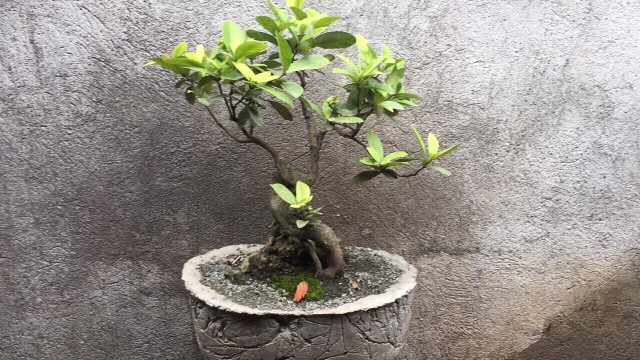
Step-by-Step Guide to Pruning and Shaping a Bonsai Tree
Here is a guide to Pruning and Shaping a Bonsai Tree, and the first time I pruned a bonsai, I froze. Scissors in hand. Tree staring back at me.
And yes, that sounds dramatic—but if you’ve ever owned a bonsai, you get it. One wrong cut feels permanent.
Does that sound familiar?
Pruning and shaping a bonsai tree isn’t just maintenance—it’s a conversation with the tree.
Sometimes you listen. Sometimes you mess up. And sometimes, surprisingly, the tree forgives you.
This guide isn’t written like a textbook. It’s written like advice I wish someone had given me before I turned a perfectly healthy Chinese Elm into something resembling a stressed shrub.
Before We Talk About Cutting, Let’s Talk About Intent
Most beginners jump straight into pruning without understanding why they’re cutting.
But bonsai pruning has two very different purposes:
- Maintenance pruning – keeping shape and size in check
- Structural pruning – deciding the future design of the tree
According to Wikipedia’s Bonsai overview, traditional bonsai techniques evolved to mimic full-sized trees found in nature—windswept, aged, imperfect.
That concept changed how I pruned entirely. I stopped chasing symmetry. I started chasing realism.
Think of your bonsai like handwriting. Too neat looks fake. Too messy looks careless. The magic lives somewhere in between.
Tools Matter More Than People Admit
Essential Bonsai Pruning Tools (And What I Learned the Hard Way)
I once used regular kitchen scissors on a Juniper. Big mistake. Crushed stems heal poorly.
Specialized tools aren’t a gimmick—they’re a necessity.
- Concave branch cutter (leaves cleaner scars)
- Fine pruning scissors for shoots and leaves
- Knob cutter for thicker branches
- Aluminum or copper wire for shaping
If you’re sourcing trees or tools online, I’ve found useful pruning references and starter material on
bonsaitreeforsale.net.
Their explanations are practical—not romanticized.
Step-by-Step: How to Prune a Bonsai Tree Properly
Step 1: Study the Tree Before You Touch It
And I mean really study it. Walk around it. Look from above. From eye level.
Every bonsai has a “front”—the angle where the trunk movement tells the best story.
Here’s a personal rule I follow: if I can’t explain why I’m cutting a branch, I don’t cut it.
Step 2: Remove Dead, Weak, and Unwanted Growth
Start easy. Dead branches. Yellowing leaves. Crossing shoots.
This step builds confidence without consequences.
Maintenance pruning like this can be done throughout the growing season for most species.
But structural pruning? That’s a different beast.
Step 3: Follow the Rule of Threes (But Break It When Needed)
Traditional bonsai design suggests:
- First branch at one-third trunk height
- Alternating left-right-back branches
- Gradual taper toward the apex
But here’s the thing—nature doesn’t follow rules perfectly.
One of my best-looking trees breaks all three rules. And yet, it looks old. Convincing. Alive.
But when you’re starting out? Rules help. Later, intuition takes over.
Step 4: Structural Pruning (The Scary Part)
This is where people panic. Cutting thick branches feels irreversible.
And honestly, sometimes it is.
Structural pruning should be done during dormancy for deciduous trees (late winter)
and cautiously during growth for evergreens.
My biggest lesson? Never remove more than 30% of foliage at once.
I ignored this once. The tree survived—but it sulked for months.
Shaping a Bonsai: Wiring Without Torture
How to Wire Branches the Right Way
Wiring is like orthodontics for trees—slow, controlled pressure over time.
Wrap wire at a 45-degree angle. Anchor it properly.
And please, check it every few weeks.
I once left wire on too long during monsoon season.
The branch thickened fast. Wire scars appeared overnight.
Lesson learned.
Common Styling Styles (And Which Ones Are Beginner-Friendly)
- Formal Upright – predictable, stable, forgiving
- Informal Upright – more natural, more expressive
- Slanting – great for windy-climate species
- Cascade – beautiful but advanced
If you’re new, informal upright offers the most room for error—and creativity.
Mini Case Study: Fixing an Overgrown Ficus
A friend brought me a ficus bonsai that hadn’t been pruned in two years.
Leggy branches. No taper. Leaves everywhere.
We didn’t “fix” it in one session.
First session: cleaned dead growth.
Second month: reduced canopy.
Third month: rewired structure.
Bonsai rewards patience. Rush it, and the tree reminds you who’s in charge.
Common Pruning Mistakes (I’ve Made All of These)
- Pruning and repotting on the same day
- Ignoring seasonal timing
- Chasing Instagram-perfect trees
- Over-pruning weak trees
But mistakes aren’t failures. They’re tuition fees.
Aftercare: What Happens After the Cuts
Post-Pruning Recovery Tips
After pruning:
- Reduce direct sunlight for a week
- Skip fertilizer for 2–3 weeks
- Monitor watering carefully
A pruned bonsai is vulnerable. Treat it like a patient, not a decoration.
Why Pruning Is More Art Than Science
But here’s the truth, no guide tells you—bonsai pruning changes you.
You start noticing trees on roadsides. Old trunks. Broken branches.
You see beauty in imperfection.
And one day, without realizing it, you stop being afraid of the scissors.