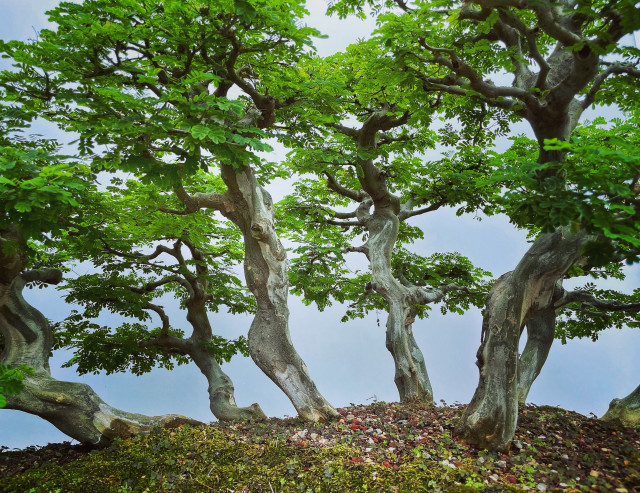
Indoor vs Outdoor Bonsai Trees: Which One Is Right for You?
I still remember my first bonsai and have Indoor vs Outdoor Bonsai Trees. A tiny Ficus microcarpa, sitting proudly on my study table, right next to a stack of unpaid bills and a half-dead houseplant. I thought bonsai were “indoor plants.” Simple. Decorative. Almost all furniture. And that assumption nearly killed it.
So if you’re stuck wondering whether an indoor or outdoor bonsai tree is right for you, trust me—you’re not alone. This confusion is almost a rite of passage in the bonsai world. And honestly? There isn’t a single right answer. There’s only the right answer for you.
Let’s unpack this slowly, imperfectly, and with real-world nuance—not textbook advice that ignores where you live, how busy you are, or how forgetful you might be on Sundays.
First, a Hard Truth Most Guides Won’t Tell You
There’s technically no such thing as a “true” indoor bonsai.
That statement annoys beginners. It annoyed me too. But botanically speaking, bonsai are trees. Trees evolved outdoors. Seasons matter. Temperature shifts matter. Dormancy matters.
What we call indoor bonsai trees are usually tropical or subtropical species that can tolerate indoor conditions if you mimic nature well enough.
And that “if” is doing a lot of work.
Indoor Bonsai Are More Like Long-Term Guests
Think of indoor bonsai like a friend crashing on your couch for a few months. It works. But it’s not their natural habitat.
- They need bright light—usually more than your living room provides
- They hate dry air (hello, air conditioners)
- They don’t experience real seasons
Does that mean indoor bonsai are a bad idea? Not at all. But expectations matter.
Outdoor Bonsai: The “Less Aesthetic, More Honest” Option
Here’s where my opinion might show. If you have even a small balcony, terrace, or garden, outdoor bonsai trees are usually the healthier, easier choice long-term.
I learned this the hard way after moving my struggling juniper outside during a mild spring. Within weeks, it pushed out fresh growth like it had been holding its breath indoors.
Why Outdoor Bonsai Thrives More Naturally
- Natural sunlight (not filtered through glass)
- Real temperature fluctuations
- Seasonal dormancy, which strengthens the tree
- Better airflow, reducing fungal issues
Species like Juniper, Pine, Maple, Elm, and Bougainvillea want to be outdoors. Keeping them inside is like asking a marathon runner to live on a treadmill forever.
But What About Climate? This Is Where Local Context Matters
I’m writing this from India, where summers can be brutal and winters (in many regions) barely exist. That changes the indoor vs outdoor debate entirely.
In tropical and subtropical climates:
- Outdoor bonsai can grow year-round
- Indoor bonsai often suffer from lack of light more than cold
Meanwhile, growers in Europe or North America face freezing winters, which makes indoor overwintering a real strategy—not a mistake.
According to Wikipedia’s bonsai overview, traditional Japanese bonsai practices are deeply tied to seasonal change and outdoor cultivation. That context matters more than Instagram aesthetics.
Mini Case Study: Two Trees, Two Outcomes
Case 1: The Indoor Ficus (Beginner-Friendly… Mostly)
A friend of mine bought a Ficus bonsai from an online store (similar to selections you’ll find at bonsaitreeforsale.net). It lived indoors near a south-facing window.
For the first six months? Perfect. Glossy leaves. Steady growth.
Then winter came. Windows closed. Light dropped. Leaves yellowed. Recovery took nearly a year.
Lesson learned: indoor bonsai aren’t “set and forget.”
Case 2: The Outdoor Juniper (Low Drama, High Reward)
Another grower placed a juniper outside from day one. Full sun. Rainwater. Seasonal pruning.
Five years later, that tree looks like it belongs in an exhibition.
Less fuss. More patience.
Indoor Bonsai Trees: Who Should Choose Them?
Indoor bonsai make sense if:
- You live in an apartment with no outdoor space
- You can provide strong natural light or grow lights
- You enjoy daily observation and fine-tuning
Best Indoor Bonsai Species (Realistically Speaking)
- Ficus microcarpa
- Chinese Elm (with winter rest)
- Jade (Portulacaria afra)
- Carmona (Fukien Tea)
But even these benefit from time outdoors when weather allows. And yes, that surprises people.
Outdoor Bonsai Trees: Who Should Choose Them?
Outdoor bonsai are ideal if:
- You have a balcony, terrace, or garden
- You’re okay with leaves dropping in winter
- You like working with seasons, not against them
Popular Outdoor Bonsai Species
- Juniper
- Japanese Maple
- Chinese Elm
- Black Pine
- Bougainvillea (in warmer regions)
Outdoor bonsai reward patience. They don’t always look Instagram-perfect—but they age beautifully.
Common Mistakes That Blur the Line
And this is where beginners get frustrated.
- Keeping outdoor species indoors permanently
- Assuming indoor bonsai don’t need sunlight
- Ignoring dormancy requirements
Does that sound familiar?
I’ve seen more bonsai fail from “too much love” than neglect. Overwatering, constant moving, endless adjustments—it adds stress.
So… Which One Is Right for You?
Ask yourself this instead:
- Where will the tree live most of the year?
- How much natural light can you provide?
- Are you okay with seasonal changes?
Indoor vs outdoor bonsai isn’t a competition. It’s alignment.
Think of bonsai like a long-term relationship. Choose the one that fits your lifestyle, not the one that just looks good on day one.