Beginner Bonsai Tools Actually Need
Beginner Bonsai Tools Actually Need, I still remember the first time I searched for bonsai tools online. The results were overwhelming—kits with 14 tools, 18 tools, sometimes even 22 tools. Tiny rakes, mysterious scoops, pliers with intimidating names. And I thought, Is this a hobby or am I about to perform surgery?
But here’s the honest truth. You don’t need most of them. Not at the beginning. And learning that saved me money, frustration, and one very unhappy juniper.
This guide is for beginners who want to start bonsai the right way—using tools that actually matter. Not the flashy stuff. Not the Instagram bait. Just practical tools, explained with real-world context, mistakes included.
A Quick Reality Check Before We Talk Tools
Bonsai, according to Wikipedia, is the art of growing miniature trees in containers while maintaining realistic proportions. Sounds poetic. But in practice, it’s a balance of patience, restraint, and knowing when not to touch your tree.
And that’s why tools matter—but only the right ones. Think of bonsai tools like kitchen knives. A chef doesn’t need twenty knives. They need a few good ones and the skill to use them properly.
So let’s break the predictable structure and start where beginners usually go wrong.
The Tool I Bought First (And Regretted)
I bought a full beginner bonsai tool kit. Stainless steel. Velvet pouch. Looked impressive. And I used exactly four tools from it.
The rest? They sat in a drawer while I figured out that bonsai is less about having every tool and more about understanding why you’re using one.
Does that sound familiar?
Here’s what you actually need.
Essential Beginner Bonsai Tools (No Fluff)
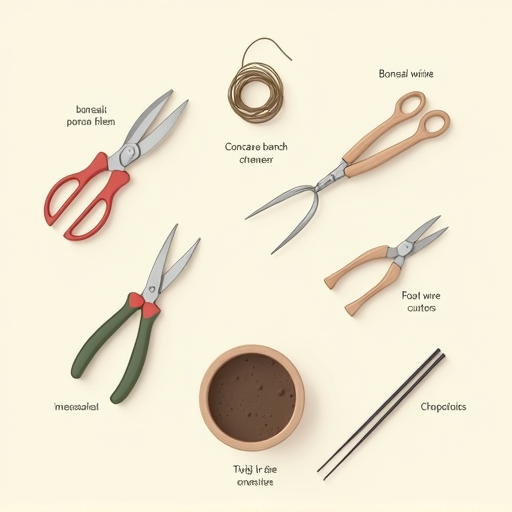
1. Bonsai Pruning Scissors (Your Daily Driver)
If you buy only one tool, make it a good pair of bonsai pruning scissors. Not kitchen scissors. Not craft scissors. Proper bonsai scissors have shorter blades and fine tips, allowing precise cuts without tearing delicate growth.
I learned this the hard way. Regular scissors crushed the stems of my ficus, leading to blackened tips and slow recovery. Once I switched to proper pruning scissors, the difference was immediate.
Look for:
- Short blades (5–6 inches)
- Carbon steel or high-quality stainless steel
- Comfortable grip for long sessions
Most beginner-friendly options you’ll find on sites like BonsaiTreeForSale.net are more than enough. You don’t need Japanese handmade scissors yet. Not now.
2. Concave Branch Cutter (Yes, Earlier Than You Think)
Many beginners skip this tool. I did too. Big mistake.
A concave cutter removes branches in a way that allows the wound to heal flush with the trunk. Regular cutters leave bumps. Those bumps turn into scars. And scars ruin the illusion of age.
I once removed a branch from a Chinese elm using standard pliers. Two years later, the scar was still obvious. When I finally used a concave cutter on another tree, the cut healed cleanly within a season.
You don’t need a large one. A small concave cutter is perfect for beginner-sized trees.
3. Bonsai Wire (Aluminum, Not Copper)
Wiring is where bonsai starts to feel like art instead of gardening.
For beginners, aluminum wire is the only sensible choice. Copper wire is stronger, yes—but it’s unforgiving. Aluminum lets you reposition branches without snapping them.
Common beginner sizes:
- 1.5 mm for fine branches
- 2.5 mm for medium shaping
- 4 mm for structural bends
And here’s a lesson learned late: always remove wire earlier than you think. Wire scars happen fast, especially during active growth seasons.
4. Wire Cutter (Don’t Use Your Pruners)
This sounds obvious. But beginners often cut wire using pruning scissors. And that dulls them quickly.
A dedicated wire cutter allows you to snip wire in sections instead of unwinding it, which reduces branch damage. Cheap wire cutters work fine—no need for specialty branding here.
5. Root Rake (The Unsung Hero)
Repotting is stressful—for you and the tree.
A root rake helps untangle roots gently during repotting without ripping them apart. I used a fork once. Never again.
The rake allows you to:
- Spread roots radially
- Remove old soil evenly
- Prepare roots for shallow bonsai pots
This tool shines during early spring repotting—especially for fast growers like junipers and maples.
6. Chopsticks (Yes, Seriously)
This might surprise you. But chopsticks are a bonsai staple.
They’re used to work soil into air pockets during repotting. I keep a pair specifically for bonsai. Wooden. Nothing fancy.
Sometimes the best tools aren’t sold as bonsai tools at all.
Tools You Can Skip (For Now)
Let’s save you some money.
- Knob cutters (great later, unnecessary now)
- Jin pliers (deadwood can wait)
- Leaf trimmers (regular scissors do fine)
- Power tools (please don’t)
But here’s the thing. These tools aren’t useless. They’re just premature. Bonsai is a long game.
Mini Case Study: One Juniper, Five Tools
I worked on a nursery juniper for three years using only:
- Pruning scissors
- Concave cutter
- Aluminum wire
- Wire cutter
- Chopsticks
That tree now has defined pads, tapered movement, and clean scars. No fancy gear. Just consistency and restraint.
And that’s something beginners don’t hear often.
Local Context & A Small Cultural Note
In many parts of India, bonsai beginners adapt gardening tools before investing in specialized ones. And honestly, that’s not a bad approach. The discipline of working with fewer tools forces you to understand the tree instead of relying on equipment.
Recent trends show more beginners focusing on native species—ficus, neem, tamarind—rather than imported varieties. These species respond well even with basic tools, making bonsai more accessible than ever.
Final Thoughts (A Little Imperfect, On Purpose)
Bonsai tools don’t make you better at bonsai. Time does. Observation does. Making small mistakes and learning from them does.
And if there’s one thing I’d tell my beginner self, it’s this: buy fewer tools, spend more time with your trees, and stop rushing to make them look “finished.”
Because bonsai isn’t about tools. Tools just help you listen better.