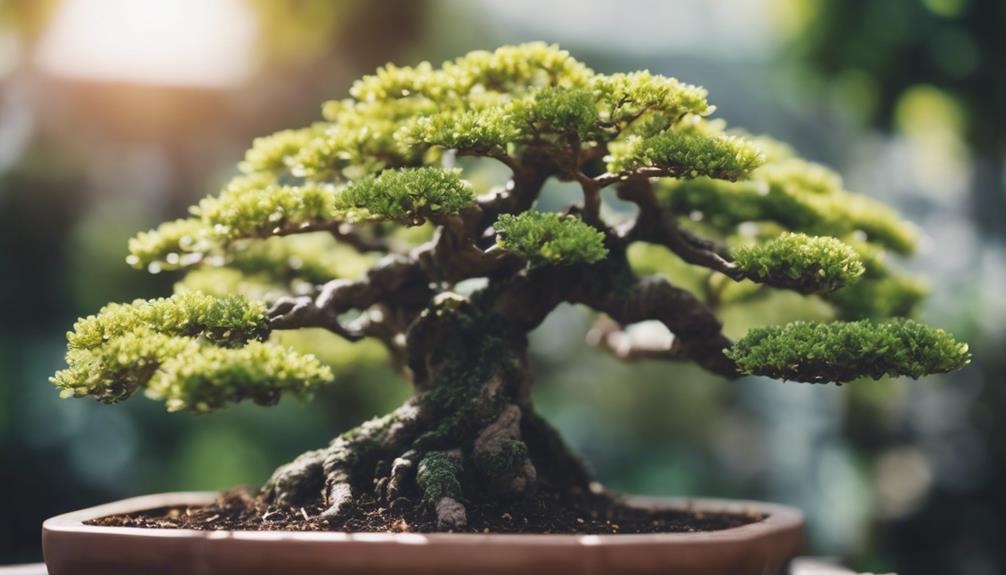
Common Pests in Bonsai Tree
When tending to your bonsai trees and Common Pests in Bonsai Tree, did you know that approximately 90% of bonsai enthusiasts face pest issues at some point? These tiny intruders can wreak havoc on your meticulously cared-for trees, causing distressing symptoms that compromise their beauty and vitality.
Understanding the signs of common pests and learning effective strategies to combat them is crucial in preserving the health and resilience of your bonsai collection. By mastering the art of pest management, you can nurture your bonsai trees to flourish in a pest-free environment, allowing their natural charm to shine through effortlessly.
Scale Insects: Identification and Treatment
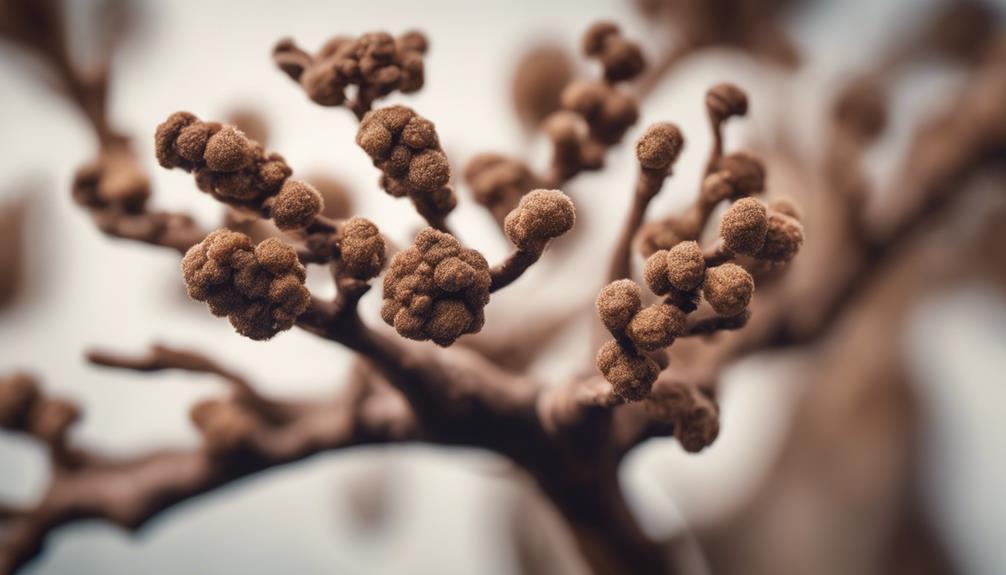
To effectively address scale insects in bonsai tree maintenance, it’s crucial to promptly identify their presence and implement appropriate treatment measures. Scale insects manifest as small bumps on the stems, leaves, or branches of bonsai trees, forming a protective shell that shields them from predators while depriving the tree of essential nutrients. Infestations can result in stunted growth, wilting leaves, and the production of sticky honeydew. When combating scale insects, immediate action is essential to prevent further harm and boost the tree’s health.
One effective treatment option for scale insects is using White Oil, which helps suffocate and eliminate these pests. By applying White Oil as directed, you can effectively eradicate scale insects from your bonsai tree. Additionally, Conguard and Lime Sulfur are also viable options for addressing scale insect infestations. Remember, swift action is key to preserving the health and vitality of your bonsai tree when faced with these tiny yet destructive pests.
Aphids Management and Control
Aphids, tiny sap-sucking insects, can severely damage bonsai trees, causing stunted growth and yellowing foliage. These pests are commonly found clustered on the undersides of leaves, displaying colors from green to brown.
To effectively manage aphids on bonsai trees, immediate action is essential. Utilizing treatments like Conguard and White Oil sprays can help control aphid infestations efficiently. For a preventive measure, consider applying a winter spray of Lime Sulphur to reduce the likelihood of aphid attacks on your bonsai trees.
Spider Mites: Detection and Eradication
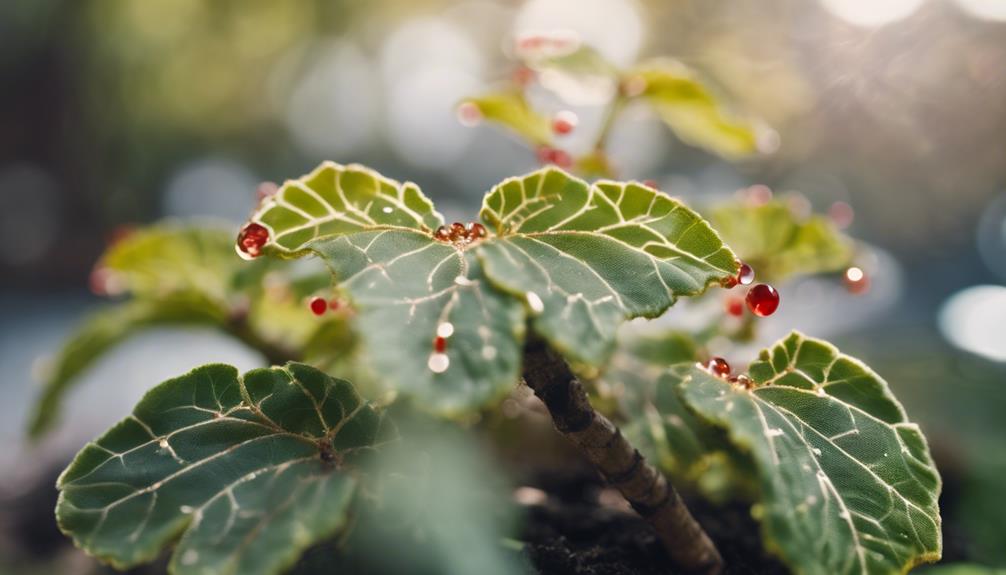
Detecting spider mites early is crucial for preventing extensive damage to your bonsai trees, as these pests can quickly deteriorate the health of your plants. Spider mites cause harm by feeding on sap, resulting in yellowing and discoloration of leaves. One common indicator of their presence is the webbing they produce on the leaves. To confirm an infestation, place a white paper under a branch and tap it gently; if tiny specks fall onto the paper and start moving, you likely have spider mites. To eradicate them, immediate action is necessary. Use Lime Sulfur spray every two weeks to effectively control spider mites. Keep an eye out for stunted growth and a dusty appearance on the leaves, as these are signs of a spider mite problem in bonsai trees. Act promptly to ensure the health and vitality of your cherished plants.
| Detection Methods | Signs of Infestation | Control Measures |
|---|---|---|
| White paper test | Webbing on leaves | Lime Sulfur spray every 2 weeks |
Mealybugs: Prevention and Remedies
In the battle against mealybugs infesting your bonsai trees, vigilance and prompt action are key to safeguarding your plants’ health and vitality. Mealybugs, identified by their white, powdery appearance, pose a threat by feeding on the sap of bonsai trees, resulting in wilting and stunted growth if left unchecked. Preventative measures such as maintaining overall plant health, adopting proper watering techniques, and conducting regular inspections for early detection are essential in mitigating infestations.
Should mealybugs infiltrate your bonsai collection, swift remedies are imperative to prevent further damage. Utilizing insecticidal soap, neem oil, or even rubbing alcohol can effectively control and eliminate these pests. Immediate action is crucial not only to halt the spread of mealybugs to other plants but also to curb any additional harm they may inflict on your cherished bonsai trees.
Caterpillars: Handling Leaf Damage
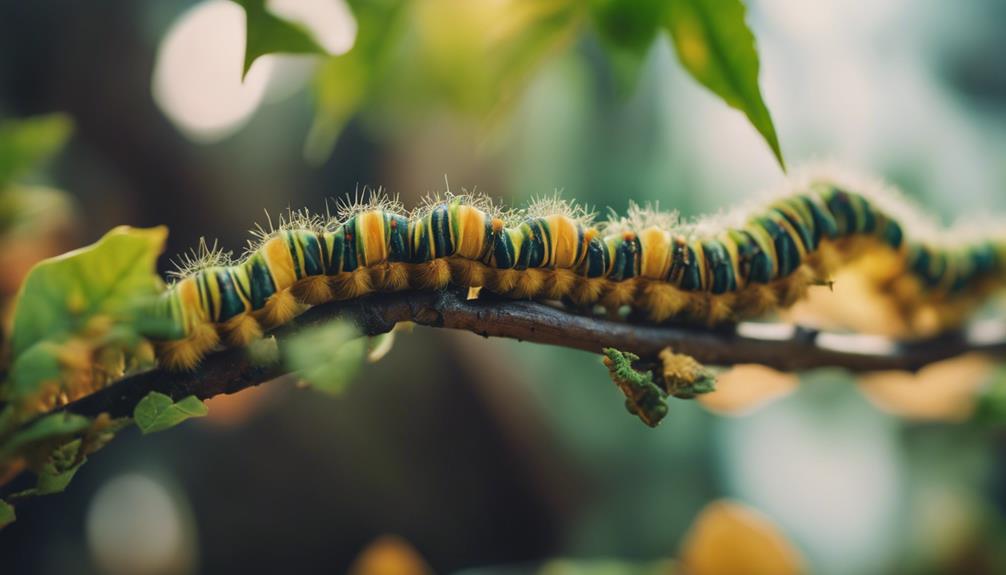
To effectively manage leaf damage caused by caterpillars on your bonsai trees, swift and targeted action is essential. Caterpillars can quickly chew through leaves, leaving behind unsightly holes and compromising the aesthetic appeal of your bonsai.
Inspect your tree regularly for chew marks and caterpillar droppings to identify infestations early. For minor infestations, handpicking caterpillars off the tree is a simple yet effective method. Larger infestations may require the use of Bacillus thuringiensis (BT) insecticide to control the population.
Preventative measures such as using protective barriers like mesh netting can deter caterpillars from reaching your bonsai. Proper disposal of fallen leaves can also help reduce the attractiveness of your tree to these pests.