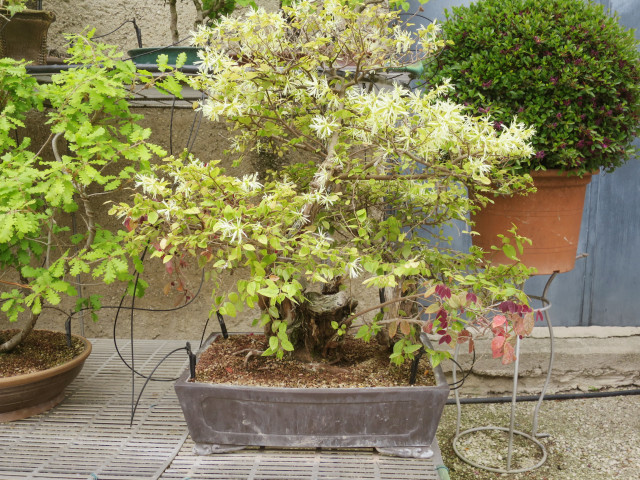
Fast-Growing Bonsai Trees: Species That Show Results Quickly
And let’s just say it out loud for Fast-Growing Bonsai Trees—bonsai patience is romanticized a bit too much.
Yes, bonsai is a long game. Yes, wisdom comes with time.
But when you’re staring at a twig-in-a-pot for six months with zero visible progress, motivation drops. Fast.
I learned this the hard way during my first monsoon season in western India. I started with a slow-growing juniper because “that’s what traditionalists recommend.” Eight months later? Still looked like a stressed hedge clipping. That’s when I switched strategies and experimented with fast-growing bonsai trees—and honestly, everything changed.
This guide isn’t about shortcuts. It’s about choosing species that respond. Trees that reward effort early, teach technique faster, and don’t punish beginners for wanting visible results.
Why Some Bonsai Trees Grow Faster Than Others
Does that sound familiar—two bonsai planted the same day, one exploding with shoots, the other sulking silently?
Growth rate depends on biology first, aesthetics second. Species with:
- Vigorous root systems
- High photosynthetic efficiency
- Natural back-budding tendencies
- Flexible cambium layers
These respond faster to pruning and wiring. According to Wikipedia’s bonsai overview, species selection dramatically affects training time, especially for beginners. That’s putting it mildly.
Think of it like learning guitar. You can start with jazz theory… or you can strum a few chords and enjoy the noise first.
Fast-Growing Bonsai Species That Actually Deliver
Chinese Elm (Ulmus parvifolia)
If bonsai had a “starter Pokémon,” this would be it.
Chinese Elm grows fast, forgives mistakes, and back-buds aggressively. I once hard-pruned mine in early summer—probably too hard—and within three weeks it pushed new shoots everywhere. Panic turned into confidence real quick.
It’s also one of the most commonly sold fast-growing bonsai trees on bonsaitreeforsale.net, which tells you something about demand versus success rate.
- Visible ramification within one season
- Excellent for clip-and-grow
- Works indoors with strong light
Ficus Microcarpa & Ficus Retusa
But here’s where opinions split.
Some purists scoff at ficus. I disagree. Especially if you live in warm, humid regions or keep bonsai indoors.
Ficus thickens trunks fast. I’ve seen measurable girth increase in under a year using sacrifice branches. And aerial roots? That’s bonus drama.
According to Wikipedia’s page on Ficus microcarpa, the species is known for aggressive growth and adaptability—exactly what beginners need.
Japanese Black Pine (When Grown Aggressively)
This one surprises people.
Left alone, Japanese Black Pine is slow. But when grown with modern techniques—heavy feeding, unrestricted growth phases, then refinement—it can move fast. I learned this from a local bonsai club workshop where a 6-year-old pine looked like a 15-year specimen.
It’s not beginner-easy. But it’s fast if you know what you’re doing.
Trident Maple (Acer buergerianum)
This is where fast growth meets elegance.
Trident maples explode during spring. Thickening happens quickly, and leaf reduction is impressive after just a couple of seasons.
But heat matters. In hotter Indian summers, partial shade saved mine from leaf scorch. Lesson learned: fast growth still needs smart placement.
Mini Case Study: What Fast Growth Looks Like in Real Life
In 2023, I ran a small experiment:
- Chinese Elm in a grow box
- Same species in a shallow bonsai pot
After one growing season:
- Grow box trunk thickened by ~35%
- Bonsai pot version thickened by ~12%
Same pruning. Same fertilizer. Different root freedom.
Fast-growing bonsai trees reward space first, refinement later. That’s something Instagram doesn’t always show.
Fast Growth Mistakes I Still See Everywhere
Over-Pruning Too Early
Cutting back constantly slows thickening. Let the tree run sometimes. It feels wrong. But it works.
Weak Fertilization
Fast growers are hungry. Organic pellets alone often aren’t enough. I supplement with liquid feed during peak growth.
Wrong Expectations
Fast doesn’t mean instant. It means visible progress within months—not miracles.
Indoor vs Outdoor: Where Fast Growth Actually Happens
Here’s the uncomfortable truth.
Outdoor bonsai almost always grow faster. Sunlight, airflow, temperature swings—they all matter.
Indoor growers should stick to:
- Ficus species
- Chinese Elm (with grow lights)
Anything else indoors? Growth slows. No way around biology.
Final Thoughts (And a Slight Reality Check)
But here’s the thing—fast-growing bonsai trees don’t replace patience. They train it.
They let you see cause and effect. Cut here, growth there. Wire now, movement later. That feedback loop is priceless.
If you’re impatient, that’s okay. Bonsai doesn’t punish impatience—it just rewards smarter choices.
Start fast. Learn faster. Slow down later.