
Have you ever wondered Harmful Pests and Diseases to Bonsai Trees? The truth is, that these tiny invaders can wreak havoc on the health and well-being of these miniature masterpieces.
Pests like aphids, scale insects, and red spider mites have a voracious appetite for the sap of bonsai trees, causing leaves to yellow, drop prematurely, and impede growth. Meanwhile, fungal infections can lead to unsightly discoloration, leaf spots, and even the death of branches.
As we delve deeper into the impact of pests and diseases on bonsai trees, you’ll discover the alarming effects they can have on the tree’s structure, growth, and overall survival.
So, let’s explore the reasons why pests and diseases are so harmful to these delicate living works of art.
Impact on Bonsai Tree Health And Harmful Pests and Diseases to Bonsai
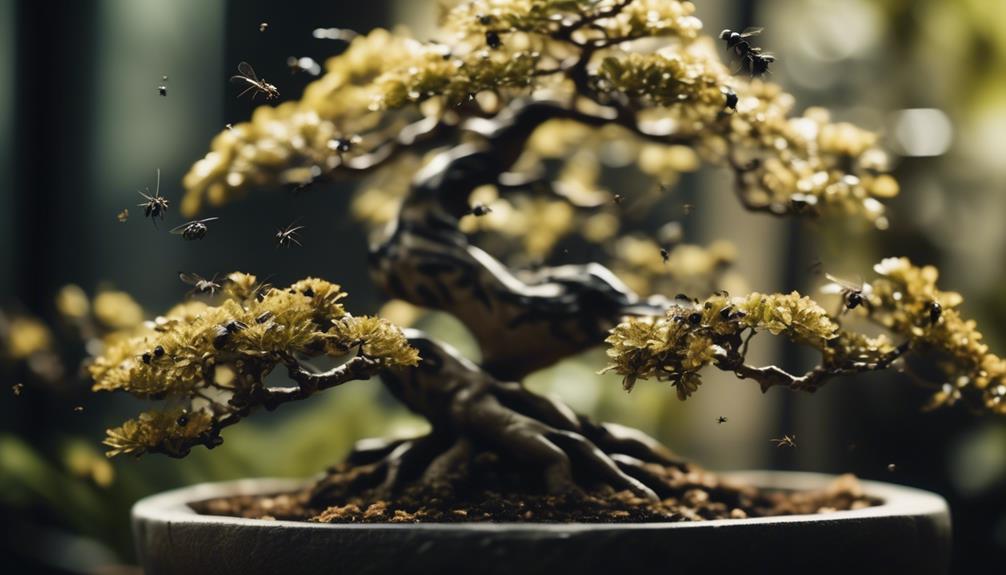
Pests and diseases can have a detrimental impact on the health of bonsai trees, causing various symptoms such as dying leaves, yellowing, and sudden leaf fall due to water imbalances.
Insects and pests, such as spider mites, aphids, and scales, can harm bonsai trees by feeding on the leaves and bark. These tiny creatures weaken the tree’s defenses, making it more susceptible to infections. Diseases and pests, like viruses and fungi, can also cause discolored leaves and dieback of branches.
To prevent the spread of infections, it’s important to isolate the affected tree and treat it with a fungicide spray. Regular inspection is crucial to identify the presence of these harmful pests and diseases. Once identified, appropriate treatment with insecticides should be administered. However, it’s important to maintain a balance, as excessive use of insecticides can harm the health of the bonsai tree.
Poor general health due to improper watering, feeding, and growing conditions can also weaken the tree, making it more prone to diseases and pests. Therefore, adequate light, proper watering, and nutrient balance are essential for maintaining bonsai health and preventing the re-occurrence of pests and diseases.
Weakening of Tree Structure
The weakening of a bonsai tree’s internal structure can have detrimental effects on its overall health and appearance. Pests and diseases are major contributors to this weakening, as they attack the tree’s branches, trunk, and roots, compromising its structural integrity. When a tree is infected, it becomes more susceptible to damage from external stressors, such as strong winds or heavy rainfall. Weakened branches and trunks are more prone to breakage, which not only impacts the bonsai’s aesthetic appeal but also its ability to thrive.
The reduced structural integrity hinders the tree’s ability to support new growth and maintain its desired shape. Additionally, weakened tree structure can lead to a decline in overall vitality, making it harder for the bonsai to recover from pest and disease infestations. Over time, continuous weakening of the tree structure can result in irreversible damage, affecting the long-term health and appearance of the bonsai.
Therefore, it’s crucial to promptly address pest and disease issues to prevent further weakening of the tree’s structure and preserve its health and beauty.
Reduction in Growth and Vigor
As the bonsai tree’s internal structure weakens due to pests and diseases, its growth and vigor are significantly reduced. Pests and diseases can cause immense stress to the tree, weakening its defenses and leaving it more susceptible to infections. When pests such as aphids, mites, or caterpillars feed on the leaves of the bonsai tree, they can damage the foliage and disrupt the tree’s ability to photosynthesize. This can lead to nutrient deficiencies, which in turn affects the tree’s overall vigor and growth.
Furthermore, when a bonsai tree is under attack from pests or diseases, it will often redirect its energy towards combating the infestation. This means that less energy is available for growth and development, resulting in reduced overall growth. The tree may also produce fewer leaves, which further hampers its ability to photosynthesize and generate the necessary energy for growth.
If left untreated, pests and diseases can have long-lasting effects on a bonsai tree. Over time, the tree’s growth, vitality, and overall health can be significantly hindered. It’s crucial to take immediate action at the first sign of infestation or disease to prevent further damage and preserve the bonsai tree’s growth and vigor.
Damage to Foliage and Roots
Damage to the foliage and roots of bonsai trees can have serious consequences for their overall health and vitality. Here are four reasons why:
- Infected leaves and stems: Pests and diseases can cause damage to the foliage of bonsai trees, leading to discolored leaves, wilting, and even leaf drop. Viruses and fungi are often the culprits behind these infections. It’s important to separate infected trees from healthy ones and treat them with appropriate fungicides to prevent the spread of the infection.
- Root rot: Overwatering or poor drainage can result in root rot, which is a common problem for bonsai trees. When the roots become waterlogged, they can’t absorb oxygen properly, leading to their decay. This can weaken the tree’s overall health and make it more susceptible to other diseases and pests.
- Insect damage: Insects such as spider mites, aphids, mealybugs, scales, and slugs can cause significant damage to both the foliage and roots of bonsai trees. They feed on the leaves, sucking out the sap and leaving behind yellowed or distorted foliage. In severe cases, they can even kill the tree by damaging the root system.
- Weakened health and vitality: When pests and diseases damage the foliage and roots of bonsai trees, it weakens their overall health and vitality. The tree becomes more susceptible to infections and stress, making it harder for it to recover and thrive. Regular inspection, identification, and appropriate treatment are crucial to maintaining the health of bonsai trees.
Risk of Tree Death
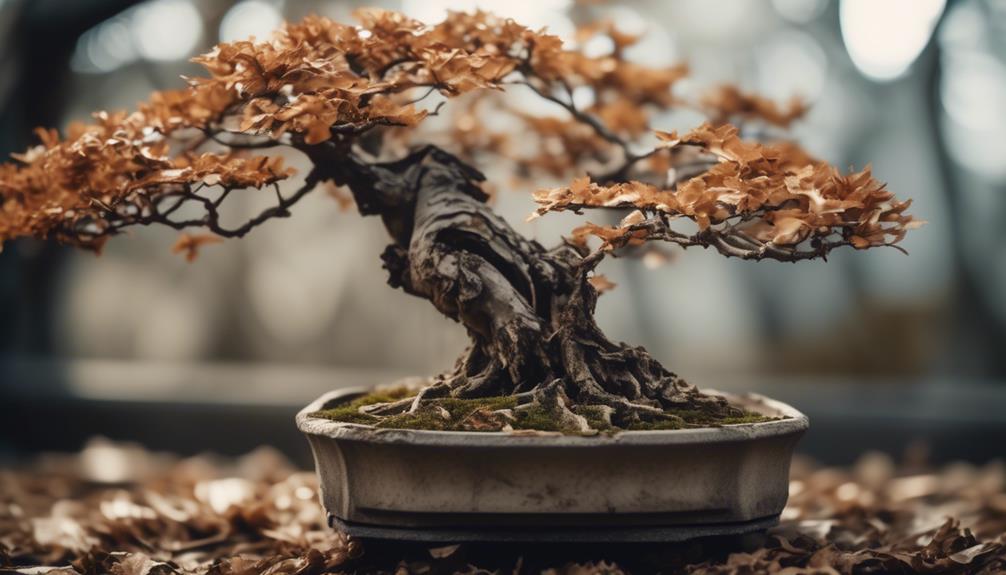
Pests and diseases pose a significant risk to the survival of bonsai trees. They weaken the tree’s defenses and make it more susceptible to infections that can ultimately lead to tree death. Untreated fungal infections and viral diseases can cause significant damage and ultimately result in the death of the bonsai tree. Severe infestations of pests such as scale insects, spider mites, and aphids can lead to the decline and eventual death of the bonsai tree if left untreated. Bacterial diseases like leaf spot and viral diseases like mosaic virus can severely weaken the bonsai tree, leading to its eventual death if not properly managed and contained.
In addition to pests and diseases, the lack of water can also contribute to the risk of tree death. Bonsai trees, like any other plants, require proper hydration to thrive. Overwatering, underwatering, and poor soil drainage can create conditions that weaken the tree’s health, making it more susceptible to pests, and diseases, and ultimately leading to the tree’s death.
To ensure the survival of your bonsai tree, it’s essential to pay close attention to its watering needs and provide the appropriate amount of water. Regularly inspecting the tree for any signs of pests or diseases and taking prompt action to address them is also crucial. By maintaining a healthy environment and promptly addressing any issues that arise, you can minimize the risk of tree death and help your bonsai tree thrive for years to come.
Frequently Asked Questions
What Is the Disease in Bonsai Trees?
Fungal infections, insect infestations, and viral diseases are common diseases in bonsai trees. They can cause discoloration, dieback of branches, and overall decline in tree health. Proper identification and treatment with fungicides and insecticides are essential for prevention and control.
Why Does My Bonsai Tree Have Bugs?
If you’re wondering why your bonsai tree has bugs, it could be due to common pests like aphids, spider mites, and scales. To control bonsai tree pests, you can use insecticides or soapy water.
What’s Killing My Bonsai Tree?
Common bonsai pests, such as aphids and spider mites, can harm your tree by sucking sap and causing dieback. Signs of bonsai tree disease include yellowing leaves and leaf distortion. Prevent infestations by regularly inspecting and treating with insecticides.
Why Are Bonsai Trees so Hard to Take Care Of?
Taking care of bonsai trees can be challenging due to common mistakes. Expert advice suggests maintaining proper watering, light, soil cleanliness, and nutrient balance. Regular monitoring helps prevent issues and ensures their health.
Conclusion
In conclusion, pests and diseases pose significant threats to the health and vitality of bonsai trees. They weaken the tree’s structure, reduce its growth and vigor, and cause damage to both the foliage and roots.
Furthermore, these issues can eventually lead to tree death if left untreated. Therefore, it’s crucial for bonsai enthusiasts to promptly identify and treat pests and diseases to ensure the longevity and well-being of their trees.