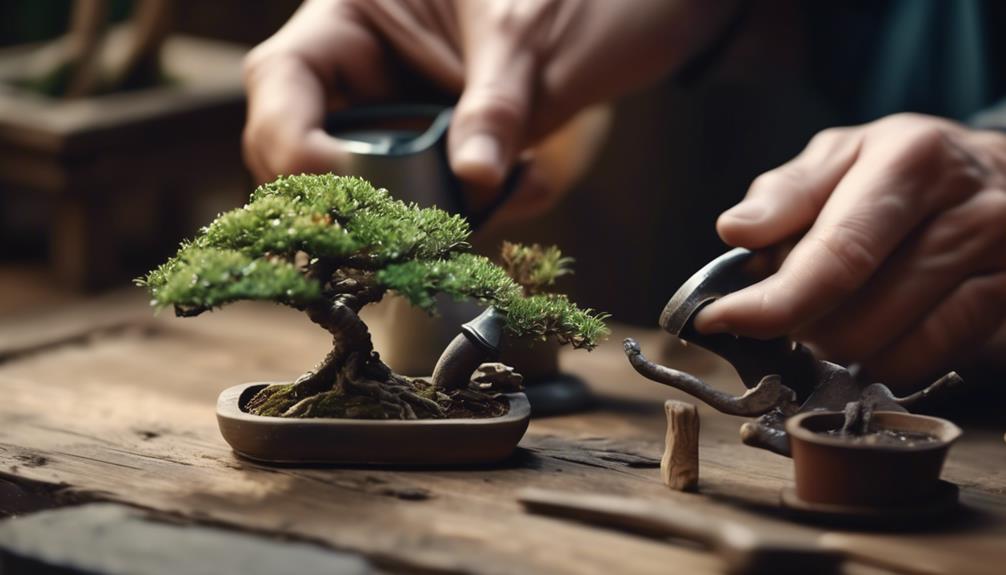
In the realm of gardening, Optimal Bonsai Tree Maintenance may seem like a delicate dance between life and death—yet with the right care, they can thrive under your watchful eye. Imagine the satisfaction you’ll feel as you meticulously guide the growth of these miniature marvels, their leafy canopies spreading out in harmony with the slender curves of their trunks.
With a well-placed snip here, a careful watering there, you’ll be the puppet master in this slow-moving performance of nature’s ballet. But how, you might wonder, can you ensure your bonsai doesn’t just survive, but flourishes?
As we delve into the art and science of bonsai maintenance, we’ll shed light on the top tips that can transform you from a novice to a master in this ancient horticultural practice. But be forewarned, this journey is not for the faint of heart—it requires patience, precision, and a deep appreciation for the intricate beauty of these miniature trees.
Understanding Bonsai Tree Varieties And Optimal Bonsai Tree Maintenance
You’ll discover a diverse world of beauty and intrigue as you delve into the various types of bonsai trees, each with its unique characteristics and care requirements. The art of Bonsai isn’t just about planting a tree in a pot but nurturing a miniature ecosystem that reflects the grandeur of nature on a smaller scale. Understanding bonsai tree varieties is key to this intricate process.
Bonsai trees are planted from a wide range of tree species, each with specific needs. The types of bonsai include both indoor and outdoor varieties. Indoor bonsai are typically tropical or subtropical species that can thrive in your home or office. These can be a bit more challenging as light, humidity, and temperature conditions need careful control.
Outdoor bonsai, on the other hand, are tree species that require exposure to the seasons and generally, demand less maintenance. Whether you’re nurturing an indoor bonsai with delicate leaves or an outdoor one with robust branches, each tree demands your attention and care.
Essential Bonsai Watering Techniques
In the realm of bonsai care, mastering the art of watering isn’t only essential, but it’s also akin to nurturing the very soul of your miniature tree. The watering techniques you employ, whether you have an indoor plant like a Hawaiian umbrella or an outdoor pine, directly influence the health and vitality of your bonsai.
Here are four key watering techniques you need to know:
- Adjust the watering frequency. Your bonsai isn’t a regular houseplant. It’s an art form that has specific tree needs. The frequency of watering depends on the moisture needs of your tree.
- Try dip watering. This method is ideal for small bonsai collections. Submerge the entire pot underwater until the bubbles stop.
- Let the excess water drain. After dip watering, don’t hurry. Let the excess water drain away before repeating the process.
- Use NPK (Nitrogen, Phosphorous, Potassium) fertilizers. Nourish your bonsai by adding NPK to your watering routine. These nutrients are crucial in fulfilling the tree’s metabolic needs.
Fertilizing Your Bonsai: Best Practices
As a bonsai enthusiast, it’s crucial to grasp that the confined root system of these miniature trees calls for a well-balanced and consistent fertilization routine to ensure their vibrant health. Fertilizing your bonsai isn’t simply a matter of dumping nutrients into the pot; it’s an art that requires understanding and care.
In terms of fertilizing your bonsai: best practices dictate using a balanced fertilizer with an NPK ratio near 5:5:5. This ensures your tree receives the nutrients it needs during its growing season. Remember, each particular tree may have specific nutrient needs based on its species and the type of soil it’s planted in.
The secret lies in the soil mixture. You need to replenish nutrients regularly, but avoid overfertilizing. Too much fertilizer can harm the root system as much as too little. Stick to a consistent routine, but also be flexible. Adapt your schedule based on your tree’s needs and responses.
Keeping these basic rules in mind, you can provide the best possible care for your bonsai. Understanding the unique needs of your tree, and responding appropriately, will ensure it thrives for years to come.
Pruning and Shaping Techniques
Beyond the art of fertilizing your bonsai, mastering the techniques of pruning and shaping holds the key to fostering a robust and aesthetically pleasing miniature tree. The type of tree and whether you’re keeping your trees indoors can affect the approach and timing of these techniques.
- Regular Pruning: This is the easiest to care for technique. It encourages new growth and strengthens your bonsai. The best time to prune is early spring when the tree becomes active after dormancy.
- Selective Pruning: This involves removing branches, buds, and leaves to manage the tree’s look and feel. Prune when new growth begins to affect the desired shape.
- Structural Pruning: Done during dormancy, this process involves removing primary branches. It’s a bit complex and may require professional skills.
- Wiring: This shaping technique involves coiling wire around branches to control their growth. It’s best done in winter, but be sure to monitor for wire scarring.
The beauty of your bonsai lies in the balance between its vigor and graceful form. Mastering pruning and shaping techniques will guide you in creating a living work of art.
The Art of Repotting Bonsai Trees
Your bonsai tree’s survival hinges on the art of repotting bonsai trees, a vital process that not only prevents your miniature tree from becoming pot-bound but also replenishes its essential nutrients for continued growth and health. This essential operation, performed every 2-5 years, ensures your tree’s needs are met, fostering vitality even when planted in small pots.
First, make sure to select the right soil. The soil your tree grows in isn’t just dirt; it’s a lifeline. A proper mixture should retain water, yet allow for good drainage. Indoor bonsai trees need a soil pH around 5.5 to 6.5, while outdoor trees prefer a pH of 6.5 to 7.5.
Next, consider the pot. Your bonsai is a living art form, and the pot is part of the composition. Aim for harmony between the tree and the pot. The width should be roughly 2/3 the height of the tree, or the length of the tree if it’s wider than tall. The depth should be equal to the trunk’s thickness.
With 45 different species of bonsai, the art of repotting may vary, but these principles remain the same.
Frequently Asked Questions
What Is the Best Way to Take Care of a Bonsai Tree?
You’ll need to consider bonsai positioning, soil selection, watering frequency, pruning techniques, and repotting practices. Choose the right fertilizer, manage pests and adapt to seasonal care needs. Remember, bonsai styles vary, so tailor your care accordingly.
How Do I Keep My Bonsai Tree Happy?
To keep your bonsai tree happy, you’ll need to master bonsai repotting, pruning techniques, and fertilization. Ensure proper sunlight exposure, watering, soil selection, winter care, and pest management. Consider its needs for indoor vs outdoor locations.
Should I Mist My Bonsai Every Day?
Yes, you should mist your indoor bonsai daily. It boosts humidity levels and forms part of a healthy daily routine. However, be mindful of over-misting risks and adjust based on your tree’s specific needs.
What Are the Best Tips for Growing Bonsai?
You’ll need to consider soil selection, potting techniques, watering frequency, sunlight requirements, pruning methods, root care, fertilization choices, and seasonal adjustments. Prevention of diseases is also key to successful bonsai growth.