Best Bonsai Trees for Beginners That Are Easy to Grow at Home
I still remember my first bonsai and Best Bonsai Trees for Beginners. It was a Juniper, bought on a whim from a roadside nursery during a local plant fair. I watered it like a houseplant, kept it indoors, and wondered why it looked offended within three weeks. If that sounds familiar, you’re not alone.
And that’s exactly why choosing the right bonsai tree for beginners matters more than fancy tools or Instagram-worthy pots. Some bonsai forgive mistakes. Others… don’t. This guide is about the forgiving ones.
Before the List: What “Easy” Actually Means in Bonsai
Let’s clear something up. “Easy bonsai” doesn’t mean no effort. Think of it like learning to cook dal before attempting biryani. Beginner-friendly bonsai trees usually share a few traits:
- They tolerate watering mistakes
- They adapt well to local climate variations
- They recover quickly from pruning errors
- They don’t demand extreme humidity or temperature control
According to Wikipedia’s Bonsai overview, traditional bonsai cultivation emphasizes long-term care and adaptation to environment—not perfection. Beginners often forget that part.
But let’s get practical now.
1. Ficus Bonsai (Ficus retusa / Ficus microcarpa)
Why beginners love it (and why I do too)
If bonsai had a “starter Pokémon,” Ficus would be it.
Ficus bonsai are incredibly forgiving. Miss a watering? It survives. Low light for a few days? Still alive. Over-pruned? It bounces back.
I’ve seen Ficus trees thrive in small apartments, offices, and even shop counters with inconsistent care. That’s rare.
- Best for indoor growing
- Thick trunks develop quickly
- Aerial roots add visual drama over time
Many beginner-friendly options are listed on bonsaitreeforsale.net, especially pre-trained Ficus that save you years of shaping.
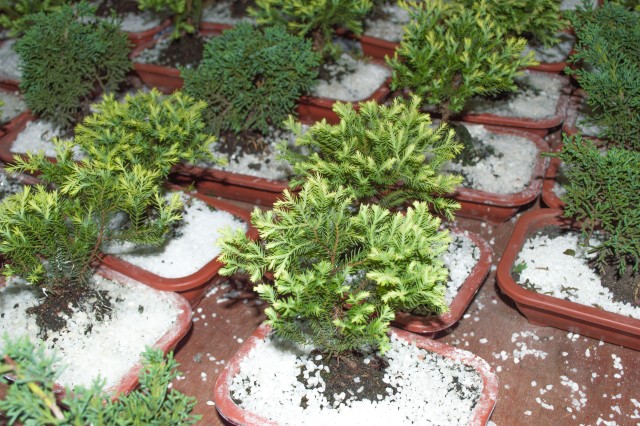
2. Juniper Bonsai (Juniperus spp.)
The most misunderstood beginner bonsai
Junipers are everywhere. And yet, they’re often killed by beginners. Why? Because people keep them indoors.
Junipers are outdoor bonsai. Full stop.
Once you respect that rule, they become incredibly easy to grow. They thrive in sunlight, handle temperature swings well, and respond beautifully to wiring.
- Excellent for learning pruning and shaping
- Classic bonsai appearance
- Very hardy outdoors
Lesson learned the hard way: when a bonsai tag says “outdoor,” believe it.
3. Chinese Elm (Ulmus parvifolia)
Graceful, tough, and quietly impressive
Chinese Elm doesn’t shout for attention. It earns it.
This species adapts well to both indoor and outdoor environments (depending on climate). Its small leaves reduce easily, which is something beginners usually struggle with.
- Great leaf reduction
- Beautiful bark texture as it matures
- Responds well to pruning
I’ve noticed Chinese Elm handling Indian monsoons better than expected, especially when drainage is done right.
4. Jade Bonsai (Portulacaria afra)
The “I forgot to water it” bonsai
Let’s be honest. Not everyone remembers watering schedules.
Jade bonsai—especially Dwarf Jade—store water in their leaves. That makes them incredibly forgiving for busy people or serial over-waterers learning restraint.
- Excellent for indoor setups
- Prefers bright light
- Minimal watering needs
Think of Jade bonsai like a camel. It prepares for your mistakes in advance.
5. Carmona (Fukien Tea)
Pretty, but with conditions
Carmona bonsai look delicate. Small glossy leaves. Tiny white flowers. Almost decorative.
But they demand consistency. Stable light, steady watering, no sudden location changes. For beginners who enjoy routines, this works beautifully.
- Best kept indoors near windows
- Likes humidity
- Doesn’t like being moved around
Does that sound familiar? Some people thrive on structure. If that’s you, Carmona might be your match.
Mini Case Study: Two Beginners, Two Outcomes
A friend and I started bonsai at the same time.
He chose a Juniper and kept it indoors. I chose a Ficus and placed it near a bright window.
Three months later:
- My Ficus had new growth
- His Juniper turned brown
Same enthusiasm. Different species. That’s the real lesson.
Common Beginner Mistakes (And Why the Right Tree Saves You)
Overwatering
Most beginners kill bonsai with love. Easy species forgive soggy soil longer.
Wrong placement
Indoor vs outdoor confusion is real. Beginner trees are more adaptable.
Over-pruning
Hardy species recover faster from enthusiastic scissors.
Think of Bonsai Like Fitness Training
You don’t start lifting heavy on day one. You build strength.
Beginner bonsai trees are like bodyweight exercises. They prepare you for more demanding species later—maples, pines, azaleas.
And once you get the rhythm? That’s when bonsai becomes addictive.
Conclusion (Not Really a Conclusion)
But here’s the thing no one tells you. Bonsai isn’t about control. It’s about observation.
The best beginner bonsai tree isn’t the prettiest one. It’s the one that teaches you patience without punishing curiosity.
Start simple. Let the tree teach you. And accept that mistakes are part of the design.