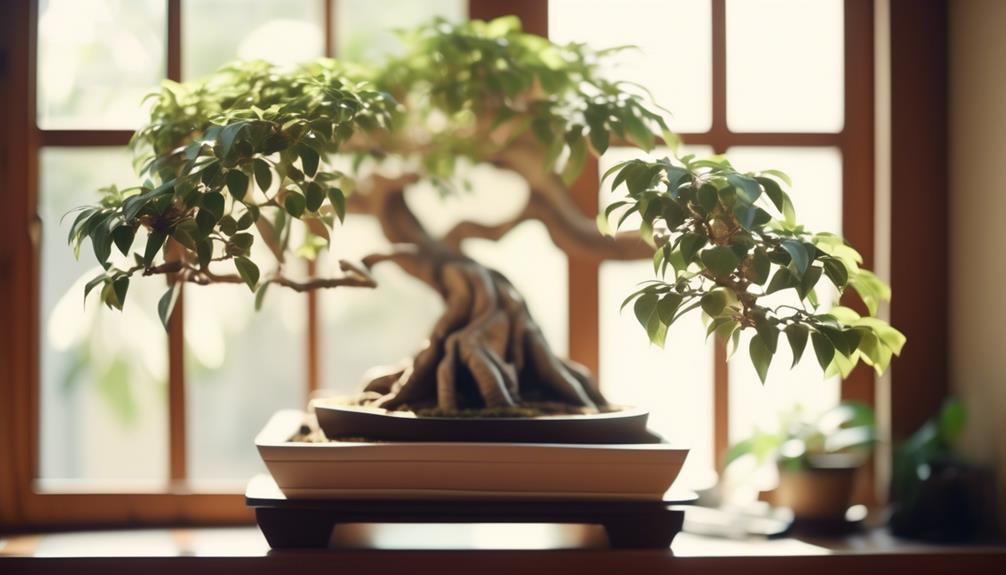
Tree Species Common Indoors, Imagine your home as a miniature forest, with tiny trees carefully cultivated to bring nature’s tranquility indoors. Just like a skilled gardener selects the perfect plants for a terrarium, certain bonsai tree species have become common choices for indoor cultivation.
But why is that? What makes these particular trees thrive in the cozy confines of your living room or office? The answer lies in their adaptability to indoor environments and their ability to withstand the unique conditions found there.
So, let’s embark on a journey of discovery as we explore the intriguing world of bonsai trees and unravel the secrets behind their popularity as cherished indoor companions.
Tree Species Common Indoors and Popular Indoor Bonsai Species

When choosing an indoor bonsai tree, there are several popular species that are known for their ease of care and beautiful aesthetic.
One of the most common indoor bonsai species is the Dwarf Ficus. This tropical tree thrives in indoor environments and requires minimal maintenance. Its small leaves and intricate branching patterns create a visually appealing bonsai display.
Another popular choice is the Chinese Elm, which is a sub-tropical tree that adapts well to indoor conditions. The Chinese Elm bonsai is known for its elegant shape and small, serrated leaves. It can tolerate a wide range of light intensities, making it suitable for various indoor environments.
The Dwarf Jade, also known as the Portulacaria afra, is another favorite among indoor bonsai enthusiasts. This succulent-like tree has thick, fleshy leaves and a unique trunk structure. It can withstand dry indoor conditions and requires bright light to thrive.
Lastly, the Hawaiian Umbrella bonsai, or Schefflera arboricola, is a tropical tree that adds a touch of exoticism to any indoor space. It features glossy, umbrella-shaped leaves and can be grown under artificial lighting.
These popular indoor bonsai species offer both ease of care and stunning aesthetics, making them ideal choices for beginner and experienced bonsai enthusiasts alike.
Characteristics of Indoor Bonsai Trees
To understand the characteristics of indoor bonsai trees, it’s important to consider their specific requirements for light, humidity, watering, temperature, and placement. Indoor bonsai trees are typically tropical or sub-tropical species that are able to thrive in indoor environments. These species have adapted to lower light levels and higher humidity, making them suitable for growing indoors. However, replicating the ideal conditions can be challenging.
Indoor bonsai trees require high light intensity to maintain their health and promote growth. Placing them near a window with filtered sunlight is essential. It’s important to avoid direct sunlight, as it can scorch the leaves and damage the tree.
Humidity is another crucial factor for indoor bonsai care. Most indoor environments have lower humidity levels, so it’s important to increase humidity around the tree. This can be achieved by placing the bonsai pot on a tray of water or using a humidifier.
Watering indoor bonsai trees can be tricky, as they’ve specific watering needs. It’s important to water them thoroughly, allowing the water to drain out of the bottom of the pot. However, it’s equally important to avoid overwatering, as this can lead to root rot.
Indoor bonsai trees also have specific temperature requirements. Most tropical and sub-tropical species prefer temperatures between 60-75°F (15-24°C). It’s important to avoid placing them near drafts or in areas with extreme temperature fluctuations.
Environmental Factors for Indoor Bonsai

To create an ideal environment for your indoor bonsai, it’s essential to consider various environmental factors that play a crucial role in the tree’s health and growth.
Indoor bonsai trees are typically tropical and subtropical species, such as Ficus, Dwarf jade, Fukien tea, Hawaiian umbrella, and Sweet plum. These species are well-suited for indoor environments because they can thrive in the conditions commonly found indoors.
One important factor to consider is temperature. Indoor bonsai trees require relatively high temperatures, similar to standard room temperature. However, subtropical bonsai trees can tolerate slightly lower temperatures and even benefit from a winter season. It’s important to avoid exposing them to extreme cold or drafts.
Humidity is another crucial factor. Indoor environments often have low humidity, which can negatively impact the health of bonsai trees. To counteract this, it’s important to provide higher humidity levels for your indoor bonsai. This can be achieved by using a humidity tray, misting the tree’s foliage, or placing a humidifier nearby.
Light intensity is also vital for indoor bonsai. Since these trees are confined to small pots, they’ve limited storage for nutrients and water. Therefore, they require higher light intensity compared to regular houseplants. Placing your bonsai tree near a window with bright, indirect sunlight or using grow lights can help provide sufficient light.
Lastly, watering should be adjusted to the specific needs of your bonsai tree, rather than relying on a routine schedule. It’s important to monitor the moisture level in the soil and water accordingly. Factors such as temperature, humidity, and the size of your bonsai tree will affect its watering needs.
Adaptability of Certain Bonsai Species
Certain bonsai species have a remarkable adaptability to indoor environments, making them ideal choices for indoor bonsai enthusiasts. Among the popular indoor bonsai species, Ficus, Fukien tea (Carmona), and Hawaiian umbrella (Schefflera) are some of the best options. These trees have proven to be the easiest to care for and can thrive indoors if provided with the right conditions.
Choosing the right indoor bonsai tree is crucial for its long-term survival. Tropical and subtropical trees, such as Ficus Bonsai, are well-suited for indoor environments due to their ability to tolerate the conditions typically found inside homes. These trees don’t require a winter dormancy period, making them more adaptable to the stable indoor temperatures.
Fukien tea bonsai, also known as Carmona, is another popular choice for indoor bonsai enthusiasts. It’s a flowering tree that can add a touch of elegance to any indoor space. Its small leaves and gnarled trunk make it aesthetically pleasing, while its adaptability to indoor conditions makes it relatively easy to care for.
Hawaiian umbrella bonsai, or Schefflera, is also a common choice for indoor bonsai. It has glossy green leaves, which can be pruned and shaped to create a beautiful miniature tree. This species is known for its tolerance of low light conditions, making it a suitable option for indoor environments.
Benefits of Growing Bonsai Trees Indoors

Growing bonsai trees indoors offers a multitude of benefits that can enhance your indoor space both aesthetically and emotionally. Here are three reasons why growing bonsai trees indoors can be beneficial:
- Improve Indoor Air Quality: Indoor bonsai trees, like their larger counterparts, go through photosynthesis, which helps to purify the air by removing harmful pollutants and releasing oxygen. This can contribute to a healthier indoor environment, reducing the risk of respiratory issues and allergies.
- Reduce Stress and Promote Relaxation: The presence of indoor bonsai trees has been shown to have a calming effect, reducing stress levels and promoting relaxation. The act of tending to these miniature trees can also be a form of mindfulness, allowing for a moment of peace and tranquility in our busy lives.
- Enhance Aesthetic Appeal: Indoor bonsai trees add a touch of nature and beauty to any indoor space. With their unique shapes and miniature size, they can be placed on shelves, desks, or windowsills, creating a visually pleasing focal point. Species like the Ficus, known for their thick trunks and dense foliage, work particularly well as indoor bonsai trees.
Frequently Asked Questions
Which Bonsai Tree Is Best for Indoors?
The best bonsai tree for indoors is the Ficus Bonsai. It’s a popular choice because it’s low maintenance and thrives indoors. To care for it, provide sufficient light and humidity. It’s perfect for beginners and adds a unique touch to any indoor space.
What Is the Significance of Bonsai Plant at Home?
The significance of having a bonsai plant at home lies in its ability to improve your indoor environment, reduce stress, and add beauty to your space. Proper bonsai care, pruning, and training techniques are essential for maintaining bonsai health and aesthetics.
Are All Bonsai Trees the Same?
Certain bonsai tree species are more common indoors due to their adaptability to indoor environments and the ease of care they require. These species have specific temperature, light, and humidity requirements that make them suitable for indoor bonsai tree care.
Do Different Bonsai Trees Have Different Meanings?
Different bonsai tree species carry unique meanings, influenced by cultural symbolism, historical traditions, and artistic interpretations. These meanings can vary regionally and personally, based on spiritual significance, personal preferences, and aesthetic appeal. Environmental adaptability and horticultural practices also play a role in symbolic representations.
Conclusion
In conclusion, certain bonsai tree species are common indoors due to their adaptability to indoor environments.
Tropical and subtropical trees like Ficus Bonsai, Dwarf Jade, Fukien tea, Hawaiian umbrella, and Sweet plum are popular choices for indoor bonsai because they can thrive in the temperature and light conditions typically found indoors.
With proper care and attention, these indoor bonsai trees can bring a touch of nature and beauty to any indoor space.