
Embarking on the journey of understanding Japanese bonsai tree species can be quite enlightening for those seeking a deeper connection with nature and Japanese traditions.
Discovering the nuances of different species, from the intricate Ficus retusa to the resilient Juniperus, offers a gateway to a world where patience and precision reign supreme.
By unraveling the mysteries behind each species’ unique characteristics and requirements, you are poised to unlock the artistry and tranquility that these miniature trees embody.
Pine Bonsai Tree Species and Understanding Japanese Bonsai Tree Species

When considering pine bonsai tree species for your collection, it’s essential to understand their unique characteristics and care requirements to cultivate them successfully. Japanese Black Pine, with its dark green needles and distinctive bark, is a favorite among bonsai enthusiasts for its resilience to pruning and shaping. This species thrives with regular pruning to maintain its desired shape and well-draining soil to prevent waterlogging.
Scots Pine, on the other hand, boasts bright green needles that grow in pairs, adapting well to various bonsai cultivation techniques. To care for Scots Pine bonsai trees, ensure they receive ample sunlight and consistent watering while avoiding overwatering, which can lead to root rot.
Both Japanese Black Pine and Scots Pine require attention to detail in their care, making them rewarding choices for bonsai growers seeking to hone their skills in shaping and maintaining these classic and symbolic trees.
Maple Bonsai Tree Species
Acer palmatum, a beloved choice among bonsai enthusiasts, is a prized Maple species for its vibrant autumn colors and distinctive palmate leaves. Japanese Maple bonsai trees require specific care to thrive and showcase their unique beauty.
To care for your Japanese Maple bonsai effectively, consider the following:
- Pruning: Regular pruning is essential to maintain the desired shape and promote healthy growth. Trim back new shoots to encourage ramification and maintain the tree’s overall balance.
- Wiring: Use wiring techniques to guide the branches into the desired position. Be careful not to wire too tightly to avoid damaging the branches, and remove the wires promptly once the branches have set in place.
- Care Requirements: Provide your Japanese Maple bonsai with the right conditions, including partial shade to prevent leaf scorching, proper watering to keep the soil moist but not waterlogged, and regular fertilization to support healthy growth. Repotting every couple of years will also help refresh the soil and promote root health.
Cherry Bonsai Tree Species
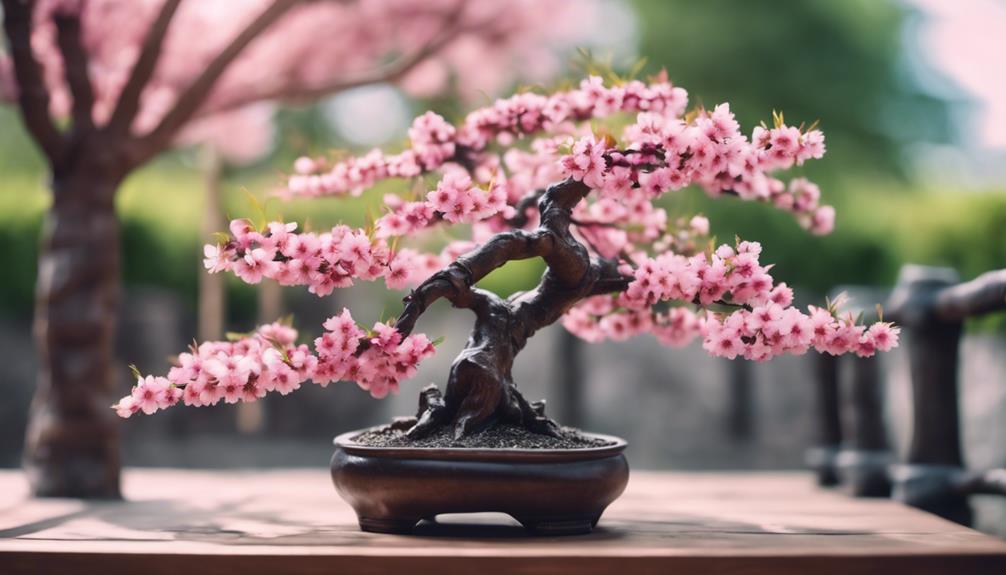
Beloved for their stunning spring blossoms and symbolic significance, Cherry bonsai trees, belonging to the Prunus genus, are a captivating addition to any bonsai collection. These trees, including popular species like Prunus serrulata (Japanese cherry) and Prunus avium (wild cherry), offer shades of pink and white blossoms that exude elegance. To ensure successful blooming, cherry bonsai trees require a period of winter dormancy, mirroring their natural growth cycle. Pruning plays a vital role in maintaining the shape, promoting healthy growth, and encouraging abundant flowering of cherry bonsai trees. Symbolizing beauty, renewal, and the transient nature of life, these trees reflect traditional Japanese aesthetics and philosophy.
| Cherry Bonsai Tree Facts | ||
|---|---|---|
| Genus | Prunus | |
| Blooms | Spring | Pink & White |
| Care | Winter Dormancy | Pruning |
Juniper Bonsai Tree Species
With their rugged appearance and versatility in styling, Juniper bonsai trees are highly sought after for their unique aesthetic appeal and resilience to different environments. Junipers, belonging to the coniferous tree category, feature needle-like foliage that adds a distinct texture to the bonsai art form.
Here are some essential care tips for nurturing your Juniper bonsai tree:
- Proper Watering: Ensure that you water your Juniper bonsai tree thoroughly but allow the soil to dry out slightly between watering sessions to prevent root rot.
- Sunlight Exposure: Junipers thrive in full sun, so place your bonsai tree in a location where it can receive ample sunlight throughout the day.
- Soil Conditions: Use well-draining soil for your Juniper bonsai to prevent waterlogging, which can harm the roots of the tree.
Elm Bonsai Tree Species
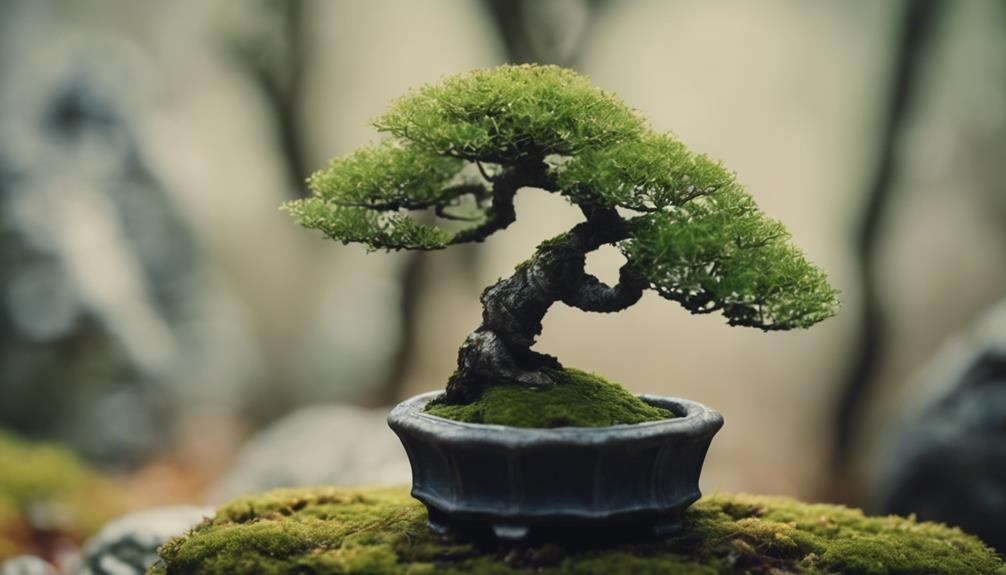
Elm bonsai trees, known for their adaptability and intricate branch structures, are prized for their versatility in styling within the bonsai art form. Elm bonsai trees, belonging to the Ulmus species, offer a unique charm with their serrated leaves and the ability to develop captivating branch formations ideal for bonsai cultivation. These deciduous trees shed their leaves in the fall, providing seasonal interest to bonsai compositions. Common elm species used for bonsai include the Chinese Elm (Ulmus parvifolia) and the American Elm (Ulmus americana). Elm bonsai trees, like the Chinese Elm, are favored for their resilience and ability to thrive in various growing conditions, making them suitable choices for both beginners and experienced bonsai enthusiasts.
| Elm Bonsai Tree Facts | Details |
|---|---|
| Species | Ulmus |
| Leaf Characteristics | Serrated leaves |
| Popular Species | Chinese Elm (Ulmus parvifolia), American Elm (Ulmus americana) |
| Seasonal Trait | Deciduous, sheds leaves in fall |
Cypress Bonsai Tree Species
Cypress bonsai trees, characterized by their elegant and slender appearance, belong to the Cupressaceae family and are renowned for their unique and attractive foliage with scale-like leaves arranged in flattened sprays. When caring for Cypress bonsai trees, understanding specific pruning techniques is crucial for maintaining their graceful shape and promoting healthy growth. These trees require regular pruning to control their size and encourage branch ramification, enhancing the overall aesthetic appeal of the bonsai.
- Embrace the elegance: Cypress bonsai trees exude sophistication with their slender form and delicate foliage, making them a captivating addition to any bonsai collection.
- Explore pruning techniques: Delve into the art of pruning to sculpt your Cypress bonsai tree into a masterpiece, ensuring it thrives and flourishes under your care.
- Appreciate cultural significance: In Japanese culture, Cypress bonsai trees symbolize longevity, strength, and resilience, embodying profound meanings that enrich the bonsai experience.
Plum Bonsai Tree Species
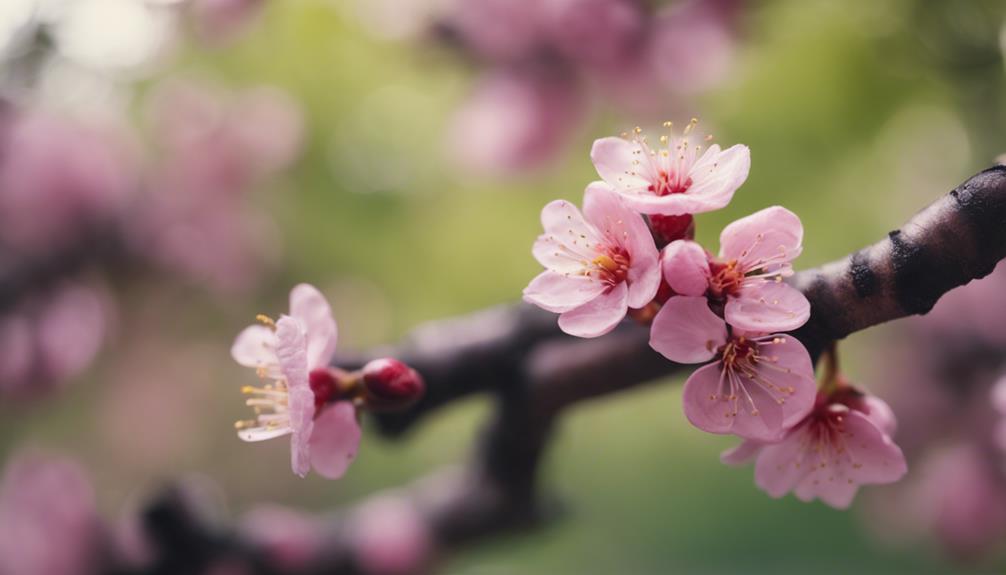
Embrace the allure of Plum bonsai tree species, known scientifically as Prunus mume, celebrated for their exquisite flowers and symbolic significance in Japanese bonsai culture. These bonsai trees produce fragrant flowers in captivating shades of pink, white, and red, enhancing the visual appeal of any bonsai collection.
Symbolizing resilience and endurance in Japanese culture, Plum bonsai trees are cherished choices for bonsai enthusiasts seeking meaningful compositions. To ensure the thriving of Prunus mume trees, it’s vital to provide specific care, including meticulous pruning, appropriate fertilization, and precise watering techniques.
The unique characteristics of Plum bonsai trees make them highly sought-after by bonsai artists aiming to craft striking and symbolic arrangements. By incorporating these resilient and culturally significant trees into your bonsai practice, you not only create visually stunning displays but also honor the deep-rooted traditions of Japanese bonsai culture.
Wisteria Bonsai Tree Species
Indulge in the enchanting beauty of Wisteria bonsai tree species, renowned for their cascading flowers that bloom in captivating shades of purple, pink, or white.
To care for these exquisite bonsai trees effectively, consider the following:
- Regular Pruning: Keep your Wisteria bonsai tree in shape and encourage abundant flowering by engaging in consistent pruning practices.
- Full Sun Exposure: Place your Wisteria bonsai tree in a location that receives ample sunlight to promote healthy growth and vibrant blooms.
- Proper Soil Drainage: Ensure the soil in which your Wisteria bonsai tree is planted drains well to prevent waterlogging and root rot.
Wisteria bonsai trees, although stunning, can be challenging to train due to their vigorous growth habits. With dedication and attention to detail, you can successfully nurture these beautiful bonsai trees and witness them flourish in all their splendor.
Azalea Bonsai Tree Species
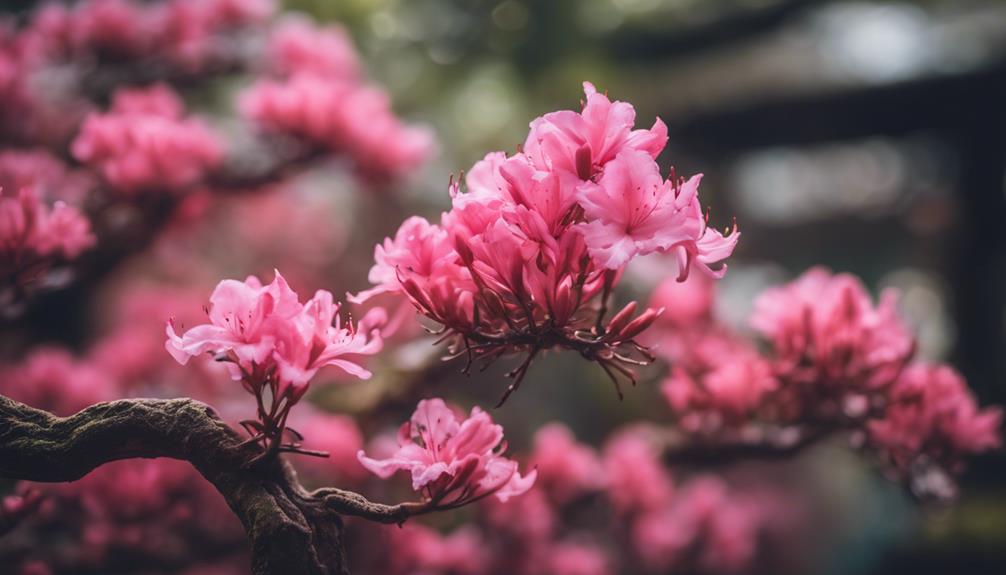
Azalea bonsai trees, renowned for their vibrant and showy flowers, are a striking addition to any bonsai collection. Belonging to the Rhododendron genus, these trees are beloved for their stunning blooms in shades of pink, red, white, and purple.
To ensure the health and beauty of your Azalea bonsai tree, it’s crucial to provide it with acidic soil, which helps promote abundant flowering. Additionally, these trees thrive in partial shade, requiring consistent moisture levels to flourish.
Pruning plays a vital role in maintaining the compact form and shape of Azalea bonsai trees. It’s recommended to prune these trees after flowering to encourage new growth and maintain their aesthetic appeal.
Bamboo Bonsai Tree Species
Bamboo bonsai trees, belonging to the Bambusoideae subfamily of grasses, are prized for their rapid growth and resilience, making them a captivating choice for bonsai enthusiasts. These unique bonsai trees offer a blend of strength and elegance, symbolizing endurance and adaptability in Japanese culture.
To care for your bamboo bonsai tree effectively, consider the following:
- Pruning: Regular pruning is essential to manage the fast growth of bamboo bonsai trees, helping to maintain their desired shape and size while promoting healthy development.
- Light and Water: Provide your bamboo bonsai tree with bright, indirect light to support its growth both indoors and outdoors. Consistent watering is crucial to ensure the tree thrives and remains vibrant.
- Symbolism: Embodying strength, flexibility, and resilience, bamboo bonsai trees carry deep cultural significance, making them a popular and meaningful choice among bonsai enthusiasts seeking to cultivate these virtues in their own lives.
Camellia Bonsai Tree Species
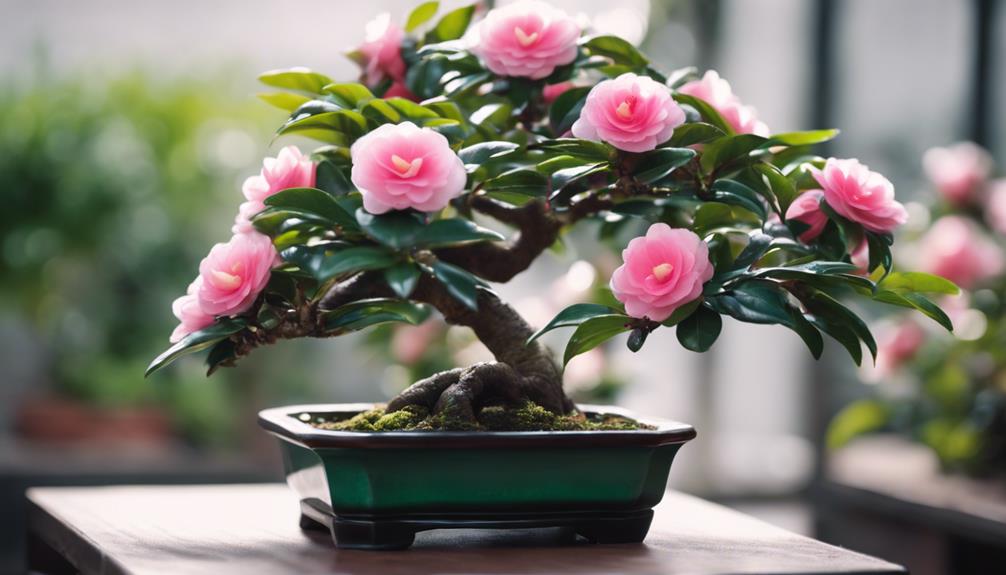
One of the most captivating additions to a bonsai collection, Camellia bonsai trees showcase exquisite beauty through their waxy flowers in hues of white, pink, and red. Belonging to the genus Camellia, species like Camellia japonica and Camellia sasanqua are popular choices for bonsai enthusiasts. These trees thrive in partial shade and require well-draining soil to produce their vibrant blooms.
When caring for Camellia bonsai trees, remember that pruning and shaping should be undertaken after flowering to maintain their desired form and size. By providing the proper care and environment, Camellia bonsai trees can become a stunning focal point in any bonsai collection, adding elegance and a burst of color.
Embrace the opportunity to nurture these beautiful trees, and you’ll be rewarded with the enchanting sight of their waxy flowers blooming in your bonsai garden.
Oak Bonsai Tree Species
Captivating bonsai enthusiasts with their rugged bark and sturdy growth habits, Oak bonsai trees, belonging to the genus Quercus, offer a majestic representation of mature oak trees on a miniature scale.
When caring for Oak bonsai trees, remember these key points:
- Genus Quercus: Oak bonsai trees are part of the Quercus species, known for their large, lobed leaves and distinctive acorns.
- Pruning: To shape the branches and encourage compact growth, prune oak bonsai trees in late winter or early spring, maintaining their aesthetic appeal.
- Full Sun: These bonsai trees thrive in full sun and well-draining soil, replicating their natural habitat in forests and woodlands.
Magnolia Bonsai Tree Species
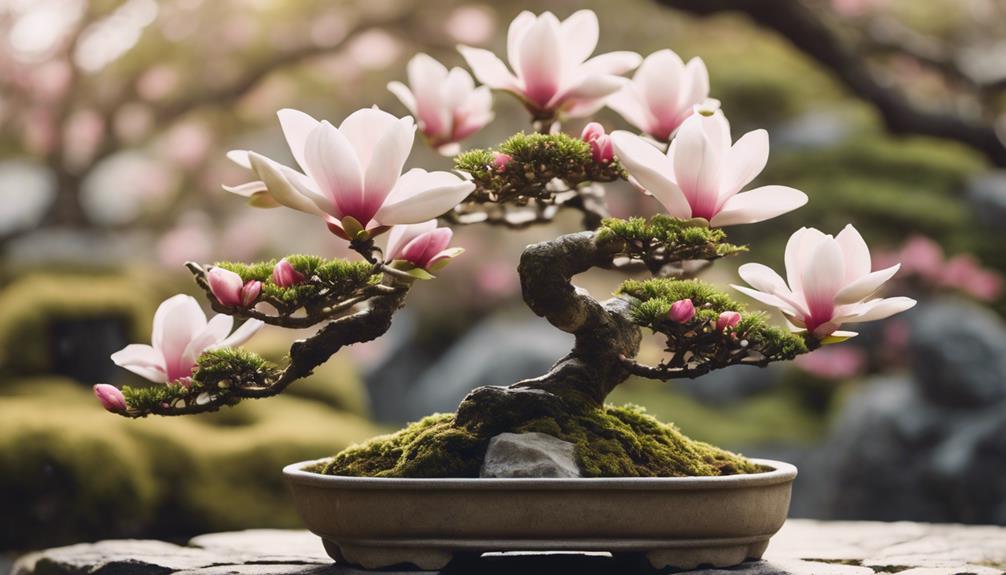
With their exquisite fragrant flowers and lush glossy green leaves, Magnolia bonsai trees bring a touch of elegance and beauty to any bonsai collection. Magnolia bonsai trees are renowned for their stunning fragrant flowers that bloom in shades of white, pink, and purple, adding a delightful aroma to your space. To ensure the health and vitality of your Magnolia bonsai, it is crucial to plant them in a well-draining soil mix to prevent waterlogging and root rot. Additionally, regular pruning is essential for shaping and maintaining the elegant structure of these trees, allowing them to flourish and showcase their natural beauty.
| Magnolia Bonsai Care | Tips |
|---|---|
| Soil Mix | Use well-draining soil to prevent waterlogging. |
| Pruning | Regularly prune to maintain the desired shape. |
| Fertilization | Provide regular fertilization during the growing season. |
| Flowers | Enjoy the fragrant blooms in white, pink, or purple hues. |
Conclusion
In conclusion, delving into the world of Japanese bonsai tree species offers a rich tapestry of beauty, tradition, and connection to nature.
By understanding the unique characteristics and cultivation needs of popular species like Pine, Maple, and Juniper, enthusiasts can embark on a fulfilling journey of nurturing these miniaturized trees.
With care and dedication, anyone can experience the timeless art of bonsai cultivation and appreciate the intricate beauty of these living works of art.