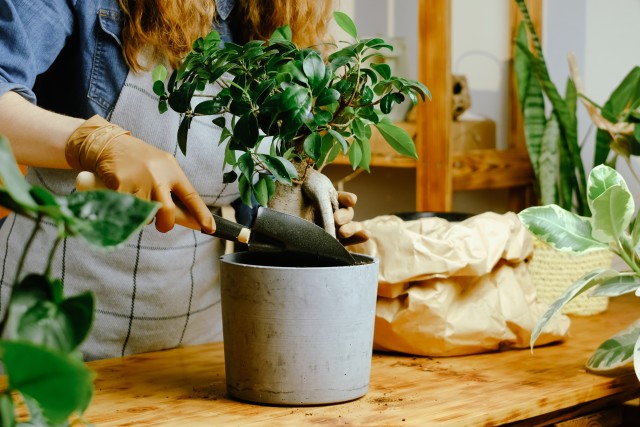
How to Repot a Bonsai Tree Without Killing It
How to Repot a Bonsai Tree and let me be honest right from the start. The first time I repotted a bonsai, I was convinced I had killed it. Leaves dropped. Growth stalled. And I kept staring at it every morning like it might suddenly forgive me. Does that sound familiar?
Repotting a bonsai feels invasive. You’re disturbing roots, changing soil, and breaking that peaceful illusion that bonsai trees somehow enjoy being left alone. But here’s the truth most beginners don’t hear early enough: repotting doesn’t harm bonsai—bad timing and rushed technique do.
And yes, I learned that the hard way.
Why Repotting a Bonsai Is Necessary (Even If It Feels Wrong)
Bonsai trees live in shallow containers by design. That aesthetic choice comes at a cost: limited soil, limited nutrients, and compacted roots over time.
According to Wikipedia’s bonsai overview, bonsai cultivation relies heavily on controlled root systems to maintain miniature size. But control doesn’t mean neglect.
Think of old bonsai soil like a sponge that’s been squeezed too many times. Eventually, it stops absorbing water properly. Roots suffocate. Drainage fails. And the tree declines slowly, quietly.
Repotting resets that system.
Signs Bonsai Actually Needs Repotting
- Water pools on the surface instead of draining
- Roots circling the pot like tangled wires
- Slower growth despite proper sunlight and watering
- The tree dries out unusually fast
If you’ve noticed two or more of these, your bonsai is asking for help.
The Biggest Mistake People Make When Repotting Bonsai
But here’s where things usually go sideways.
People repot when it’s convenient, not when it’s safe.
I once repotted a ficus bonsai in peak summer heat because I “finally had time.” Big mistake. Heat stress plus root disturbance is like asking someone to run a marathon right after surgery.
Best Time to Repot a Bonsai Tree
For most species, early spring—just before new growth begins—is the safest window. Energy is stored in the roots, and recovery happens faster.
- Deciduous bonsai: early spring before buds open
- Evergreen bonsai: mid to late spring
- Tropical bonsai (like ficus): late spring to early summer, but avoid extreme heat
Local context matters too. In warmer regions, spring arrives earlier. In cooler climates, waiting a bit longer can save your tree.
Tools and Materials You’ll Need (Don’t Improvise Here)
I’ve seen people repot bonsai with kitchen scissors and garden soil. And yes, those trees struggled.
Essential Bonsai Repotting Tools
- Root rake or chopstick (bamboo works well)
- Sharp root pruning scissors
- Mesh screens for drainage holes
- Aluminum or copper wire for anchoring
- Proper bonsai soil mix
If you’re unsure about soil types or pots, browsing curated bonsai supplies from specialists like BonsaiTreeForSale.net helps you understand what actually works in practice.
Step-by-Step: How to Repot a Bonsai Tree Without Killing It
And now the part everyone wants—but often rushes.
Step 1: Prepare the New Pot First
Always set up the new pot before touching the tree.
- Cover drainage holes with mesh
- Thread anchoring wires through the bottom
- Add a thin base layer of soil
This prevents the roots from drying out while you fumble with setup later.
Step 2: Remove the Tree Gently
Tap the pot edges. Loosen the soil carefully. If the tree resists, don’t yank. I’ve snapped roots doing that, and the recovery was painful to watch.
Step 3: Comb and Prune the Roots
This is where fear kicks in.
Use a root rake or chopstick to tease roots outward from the center. Remove old compacted soil.
Then prune.
Rule of thumb I follow: never remove more than one-third of the root mass. Focus on thick downward-growing roots. Fine feeder roots are gold—protect them.
Step 4: Position and Anchor the Tree
Place the tree slightly off-center. That asymmetry gives bonsai its natural feel.
Secure it using the anchoring wires. A loose bonsai struggles to reestablish roots.
Step 5: Add Fresh Soil and Water Thoroughly
Work soil into air pockets using a chopstick. Then water until runoff is clear.
And don’t fertilize yet. That comes later.
Aftercare: The Silent Phase Where Most Bonsai Are Lost
This part doesn’t look dramatic. But it’s where mistakes compound.
Post-Repotting Bonsai Care Tips
- Keep the tree in shade for 2–3 weeks
- Avoid wind exposure
- No fertilizer for at least one month
- Monitor moisture closely—new soil dries differently
I once placed a freshly repotted juniper back in full sun. It survived, but only after months of sulking growth.
Mini Case Study: The Bonsai I Almost Gave Up On
A friend brought me a neglected Chinese elm. Root-bound, weak, and planted in compacted soil that felt like clay.
We repotted in early spring, removed about 30% of roots, and used a gritty soil mix. Growth stalled for weeks. Then—new buds. Small, hesitant, but alive.
Six months later, it pushed longer internodes than it had in years.
Repotting didn’t revive it overnight. But it gave the tree a future.
Common Bonsai Repotting Myths (That Need to Die)
“Repotting Always Stresses the Tree”
Wrong. Poor technique does.
“More Root Pruning Makes Smaller Trees”
Excessive pruning weakens structure and health.
“Any Soil That Drains Is Fine”
Bonsai soil needs balance—drainage, aeration, and moisture retention.
Final Thoughts (Because This Part Matters)
Repotting bonsai isn’t about bravery. It’s about patience.
You don’t rush. You observe. You respect timing. And sometimes, you accept that a tree needs a season to forgive you.
But when done right, repotting doesn’t kill bonsai. It gives them room—quietly—to keep growing.