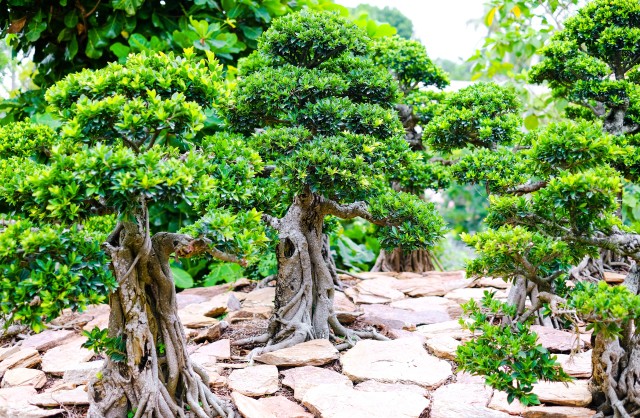
Beginner Bonsai Trees
Beginner Bonsai Trees are a rewarding and artistic hobby that brings a piece of nature indoors. If you’re new to the world of bonsai, selecting the right species can make your journey both enjoyable and successful. In this guide, we present the top 10 beginner-friendly bonsai trees that are easy to care for and perfect for anyone starting out.
Why Choose Easy-Care Bonsai Trees?
For beginners, it’s important to select bonsai trees that are hardy, adaptable, and forgiving. These trees can withstand minor mistakes in watering or lighting, giving you more room to learn and grow. Many of these species are ideal for indoor environments and don’t require extensive pruning or special soil conditions.
Top 10 Bonsai Trees for Beginners
1. Ficus Bonsai (Ficus retusa)
The Ficus species is one of the most popular bonsai trees for beginners. It thrives in indoor conditions and can tolerate low humidity and infrequent watering. Its glossy leaves and aerial roots give it a unique tropical look. Available year-round at Buy a Bonsai Tree, it’s a great starter plant for novices.
2. Juniper Bonsai (Juniperus procumbens)
Juniper bonsai is a classic choice, especially for those who enjoy shaping and training trees. This hardy outdoor bonsai prefers sunlight and is known for its resilient nature and needle-like foliage. It’s perfect for developing pruning and wiring skills.
3. Chinese Elm (Ulmus parvifolia)
Chinese Elm is a favorite among beginners due to its adaptability to both indoor and outdoor environments. It features small, serrated leaves and a rugged bark texture, making it look aged and beautiful even when young.
4. Jade Bonsai (Crassula ovata)
Also known as the “money tree,” the Jade bonsai is a succulent that requires minimal watering. Its thick, fleshy leaves store water, making it ideal for people who tend to forget their plants. Learn more about succulents like the Jade bonsai on Wikipedia.
5. Dwarf Schefflera (Schefflera arboricola)
Nicknamed the “umbrella tree,” the Dwarf Schefflera is very forgiving and grows well indoors. It doesn’t require much sunlight and has attractive foliage that fans out like an umbrella. Beginners love it for its hardiness and vibrant look.
6. Hawaiian Umbrella Tree
This tropical beauty is often mistaken for the Dwarf Schefflera. The Hawaiian Umbrella Tree is incredibly low-maintenance, making it a staple among bonsai starters. It thrives in indoor environments and doesn’t require constant pruning.
7. Serissa Japonica (Snow Rose)
Known for its beautiful white or pink flowers, Serissa is a flowering bonsai that adds elegance to any space. While slightly more sensitive to changes, it can thrive with proper care and stable indoor conditions. It’s a wonderful introduction to flowering bonsai species.
8. Boxwood Bonsai (Buxus spp.)
Boxwood is known for its dense foliage and ability to be shaped into intricate designs. It grows slowly, which gives you time to experiment with styles and shapes. Ideal for beginners who want to learn bonsai aesthetics.
9. Zelkova (Japanese Elm)
The Japanese Elm or Zelkova is closely related to the Chinese Elm. It has a graceful, upright shape and is disease-resistant, making it a reliable starter tree. Its fine leaves and attractive bark make it a visual delight for any bonsai collection.
10. Bougainvillea Bonsai
If you want color and beauty, Bougainvillea bonsai is a stunning choice. Though it requires a bit more sunlight, it rewards growers with vivid pink or purple blooms. With a bit of patience and the right care, it’s a delightful plant to nurture.
Care Tips for Beginner Bonsai Trees
Lighting
Most bonsai trees need at least 5–6 hours of indirect sunlight per day. Indoor bonsai like Ficus and Jade can adapt to window sills or grow lights. Outdoor varieties like Juniper require bright, direct light.
Watering
Proper watering is crucial. Avoid overwatering, which can lead to root rot. Stick your finger an inch into the soil—if it’s dry, it’s time to water. Jade and other succulents require less frequent watering.
Pruning and Shaping
Pruning maintains the shape of your bonsai and encourages healthy growth. Beginners should start with light trimming before moving on to wiring and more complex techniques.
Soil and Repotting
Use bonsai-specific soil for proper drainage. Repot every 1–2 years to avoid root-bound plants. This also gives you the opportunity to prune roots and refresh soil nutrients.
Fertilizing
Bonsai trees need regular feeding during the growing season. Use a balanced, slow-release fertilizer and follow instructions to avoid overfeeding.
Where to Buy Beginner Bonsai Trees
If you’re ready to begin your bonsai journey, browse the wide selection of starter trees available at Buy a Bonsai Tree. From Ficus to Juniper, you’ll find healthy, ready-to-grow options shipped directly to your door.
Conclusion
Starting with the right bonsai tree is key to building your confidence and developing proper care habits. Whether you choose a forgiving Ficus or a beautiful Bougainvillea, these beginner-friendly trees will set you on the path to becoming a bonsai expert. For more expert advice and high-quality bonsai trees, visit Buy a Bonsai Tree and start growing today!