
When exploring and Comparing Bonsai Tree Species and the realm of bonsai trees, akin to unearthing hidden gems in a vast garden, understanding the nuances between different species can lead to a fascinating journey. Each bonsai tree species carries its unique charm and price tag, hinting at a world where artistry and nature intertwine.
As you consider delving into the intricate world of bonsai cultivation, ponder the intricate dance between species and costs, a realm where beauty and value intertwine seamlessly, awaiting your discovery.
Factors Affecting Bonsai Tree Prices and Comparing Bonsai Tree Species

When considering the pricing of bonsai trees, the species chosen holds paramount importance in determining the cost, especially when evaluating rare and exotic varieties. The type of bonsai tree you opt for greatly influences the price tag attached to it. Rare species like the Japanese Black Pine or unique varieties with specific care requirements can be more expensive due to the time and effort needed to maintain them.
Exotic species, although stunning, may come with a higher cost because of their specialized care needs. In contrast, common types of bonsai such as Ficus and Juniper are generally more affordable options. The cost of a bonsai tree isn’t solely based on its initial price; it also includes the ongoing care and attention required to keep it thriving.
Additionally, the environmental conditions necessary for certain species can impact their price, making them more exclusive and sought after in the bonsai community.
Cost Variations Among Bonsai Species
Considering the various bonsai species available, the cost variations among these trees can be significant, influenced by factors such as rarity, uniqueness, and specialized care requirements. Some species are more budget-friendly, like the Ficus, with prices ranging from $20 to $60 for young trees. On the other hand, rare species such as the Japanese Black Pine can cost significantly more due to their scarcity and unique characteristics, making them more exclusive in the market. Exotic bonsai species, known for their specialized care needs, often come with elevated prices reflecting the attention they require. Common species like Juniper, frequently used in bonsai cultivation, offer a middle ground with prices varying from $30 to $100. The cost of a bonsai tree is intricately linked to the rarity, unique features, and care demands of the species chosen for cultivation.
| Bonsai Species | Price Range | Rarity Level |
|---|---|---|
| Ficus | $20 – $60 | Common |
| Japanese Black Pine | $100 – $500 | Rare |
| Juniper | $30 – $100 | Common |
Impact of Bonsai Training on Pricing
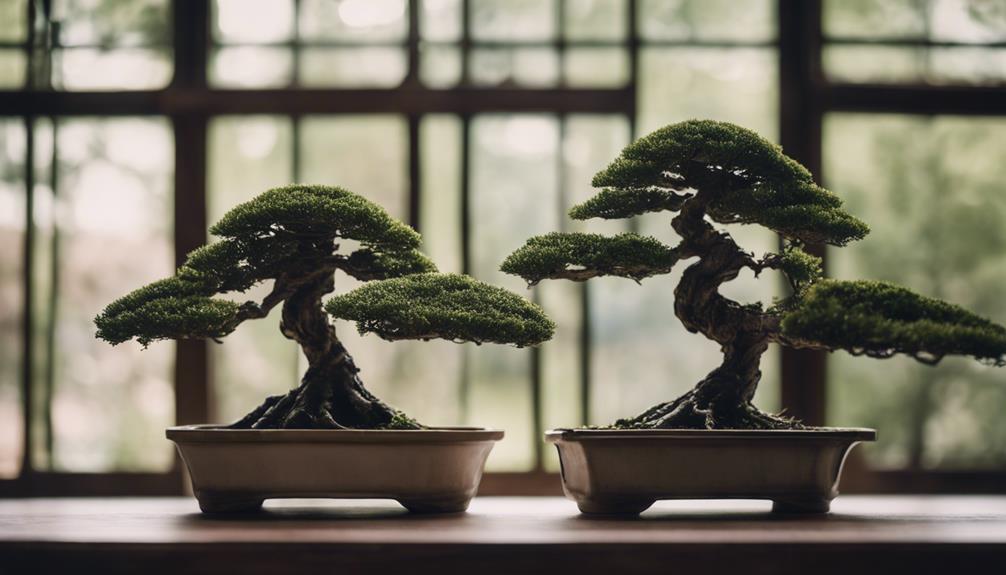
The pricing of a bonsai tree is significantly influenced by the intricacy of its training, reflecting the time, skill, and expertise invested in shaping its aesthetic appeal. Expertise in training plays a crucial role in determining the value and cost of a bonsai tree.
Here are some key points to consider regarding the impact of bonsai training on pricing:
- Expertly trained bonsai trees showcase advanced techniques and intricate styles, leading to higher prices due to the expertise involved.
- The time investment and skill required to train a bonsai tree contribute to its overall value, influencing its pricing in the market.
- Bonsai trees that reflect artistry and unique design through meticulous cultivation are highly prized, commanding premium prices for their exceptional aesthetic appeal.
Understanding how training complexity influences bonsai tree pricing can help enthusiasts appreciate the artistry and dedication that goes into creating these miniature living masterpieces.
Heritage and Its Influence on Cost
The historical lineage of a bonsai tree significantly influences its market value, reflecting the esteemed heritage and cultural significance it embodies. Bonsai trees with well-documented provenance and prestigious lineages are highly sought after by collectors and enthusiasts alike. These trees, with their rich heritage and legacy, showcase the craftsmanship and artistry passed down through generations. The meticulous care and attention given to these bonsai trees over time contribute to their elevated status in the bonsai community.
| Heritage | Influence on Cost |
|---|---|
| Prestigious Lineage | Commands Higher Prices |
| Cultural Significance | Valued for History |
| Well-Documented Provenance | Reflects Craftsmanship |
Understanding the heritage of a bonsai tree adds depth and meaning to its value, making it more than just a plant but a living piece of history. As a collector or enthusiast, you appreciate the legacy and cultural significance these trees represent, making them prized possessions worth the premium price tag.
Bonsai Pot’s Role in Pricing
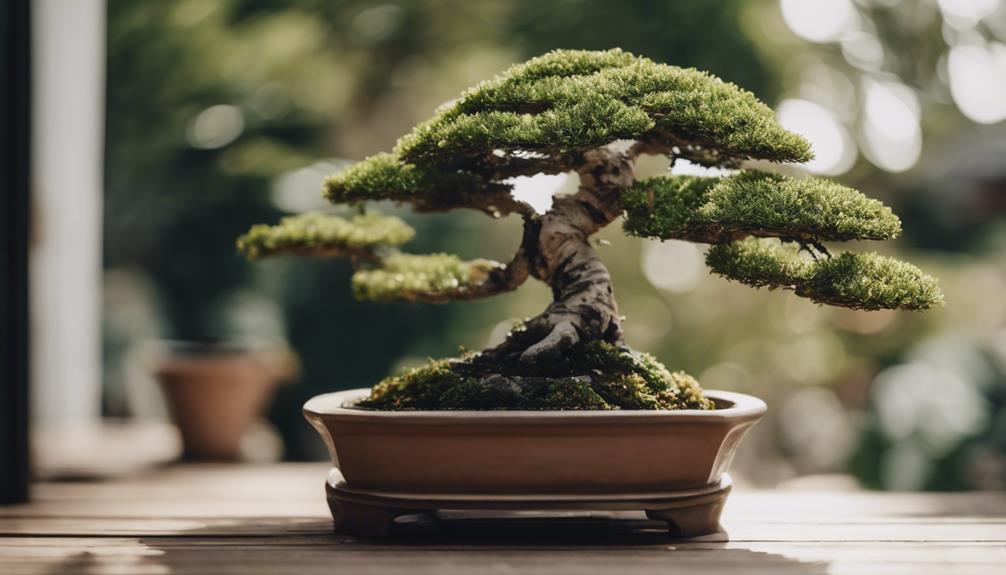
Enhancing the visual presentation and contributing to the overall value of a bonsai tree, the choice of bonsai pot plays a pivotal role in determining the pricing of these exquisite botanical creations. Bonsai pots come in a wide price range, from as low as $10 to thousands of dollars, influenced by factors such as age and craftsmanship.
Consider antique pots from China and Japan, which can fetch prices in the thousands due to their historical significance and craftsmanship, while new factory-made pots can be acquired for less than a dollar. Handmade bonsai pots also vary in price, depending on the intricacy of their craftsmanship.
The price of a bonsai pot can be significantly affected by its material, size, and design, ultimately shaping the overall aesthetic appeal and value of the bonsai tree it houses. Choose wisely, as the right bonsai pot can truly elevate the beauty and worth of your prized botanical masterpiece.