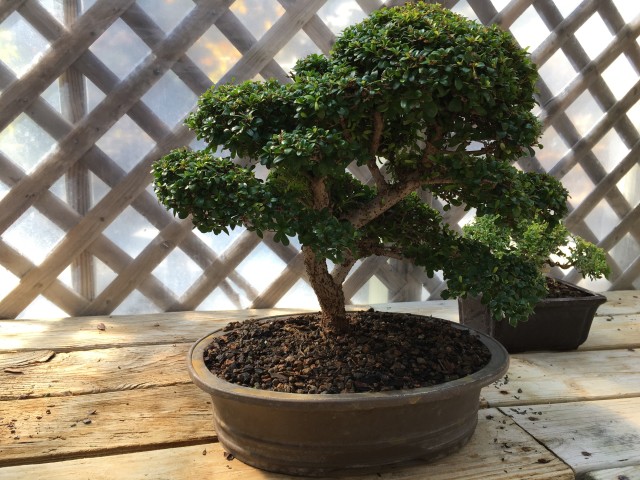
Indoor Bonsai Tree Care
If you’re passionate about creating a miniature garden inside your home, mastering indoor bonsai tree care is essential. This in-depth guide will walk you through proven techniques to help your indoor bonsai not just survive, but thrive.
Looking to buy your first bonsai or expand your indoor collection? Visit https://buyabonsaitree.net to explore a curated selection of beautiful bonsai trees and tools for all experience levels.
1. Understanding Indoor Bonsai Trees
Indoor bonsai trees are usually tropical or subtropical species that can tolerate the relatively stable indoor climate. Popular choices include Ficus, Chinese Elm, Jade, and Schefflera. These trees differ from outdoor bonsai as they are adapted to indoor conditions with lower light and less air circulation.
Learn more about bonsai on Wikipedia.
Best Species for Indoor Bonsai
- Ficus Retusa
- Jade Plant (Crassula ovata)
- Chinese Elm
- Serissa (Snow Rose)
- Schefflera Arboricola
2. Choosing the Right Location for Your Bonsai
Light is one of the most critical elements in bonsai care. Indoor bonsai trees need 4–6 hours of indirect sunlight daily. South-facing windows are ideal, but if natural light is insufficient, use grow lights specifically designed for plants.
Lighting Tips
- Use full-spectrum LED grow lights.
- Keep bonsai 2–3 feet away from the light source.
- Rotate the pot every few days for even growth.
3. Watering Indoor Bonsai Trees Correctly
Overwatering is the most common cause of indoor bonsai death. Water your bonsai only when the topsoil feels slightly dry. Use a watering can with a fine nozzle to mimic rainfall, and ensure good drainage from the pot.
Signs Your Bonsai Needs Water
- Dry topsoil
- Leaves appear limp or wrinkled
- Soil pulling away from the pot edge
4. Ideal Soil Mix for Indoor Bonsai
Well-draining soil is a must for healthy root systems. A typical bonsai soil mix includes akadama, pumice, and lava rock. Avoid regular potting soil, as it retains too much moisture and can suffocate roots.
Recommended Bonsai Soil Ratios
- 40% Akadama
- 30% Pumice
- 30% Lava Rock
5. Pruning and Shaping Your Indoor Bonsai
Regular pruning maintains the tree’s miniature size and encourages ramification (branching). There are two types of pruning: maintenance and structural. Use sharp, sterilized bonsai scissors for clean cuts.
Basic Pruning Techniques
- Trim new shoots with 4–6 leaves back to 2–3 leaves
- Remove crossing or downward-facing branches
- Use wire to shape branches, but check regularly for scarring
6. Managing Humidity and Temperature Indoors
Indoor air—especially during winter—can be too dry for bonsai. Most species prefer humidity levels between 40–60%. Use humidity trays, pebble dishes, or a room humidifier to maintain ideal conditions.
Humidity Tips
- Mist leaves 1–2 times daily (except during fungal outbreaks)
- Place bonsai near a bathroom or kitchen for higher ambient humidity
- Group plants together to create a microclimate
7. Fertilizing Indoor Bonsai Trees
Bonsai trees in containers rely on fertilizers for nutrients. Use a balanced liquid bonsai fertilizer (10-10-10) every two weeks during the growing season. In winter, reduce feeding to once a month or stop completely.
Do’s and Don’ts of Bonsai Fertilization
- DO dilute the fertilizer to half strength
- DO fertilize after watering to prevent root burn
- DON’T fertilize sick or repotted trees immediately
8. Identifying and Preventing Pests
Common indoor bonsai pests include spider mites, aphids, and scale. Regular inspection and proper hygiene can prevent infestations. Use insecticidal soap or neem oil for treatment.
Common Pests to Watch Out For
- Spider Mites: Look for webbing and yellow leaves
- Aphids: Cluster under leaves and new shoots
- Scale Insects: Appear as brown bumps on stems
9. Repotting Indoor Bonsai Trees
Repotting is necessary every 2–3 years to prevent root-bound trees and refresh the soil. Spring is the best time for repotting. Gently remove the bonsai, trim the roots by one-third, and place in fresh soil.
Repotting Checklist
- Use a clean, appropriately sized pot
- Trim roots with sterile shears
- Add mesh over drainage holes to prevent soil loss
10. Seasonal Indoor Bonsai Tree Care
Each season brings different care requirements. During summer, protect bonsai from harsh sunlight. In winter, reduce watering and keep away from heaters and drafts. Fall and spring are ideal for pruning and repotting.
Seasonal Quick Guide
| Season | Care Instructions |
|---|---|
| Spring | Repotting, pruning, and fertilizing |
| Summer | Monitor watering, increase humidity |
| Fall | Light pruning, prepare for dormancy |
| Winter | Reduce watering, maintain warmth |
Conclusion: Create Your Thriving Indoor Bonsai Garden
With patience, observation, and proper care, your indoor bonsai tree can become a living piece of art and a soothing addition to your home. Whether you’re a novice or an expert, always stay attentive to your bonsai’s needs and adapt as it grows.
Ready to begin your bonsai journey? Browse beautiful trees and beginner kits at https://buyabonsaitree.net.