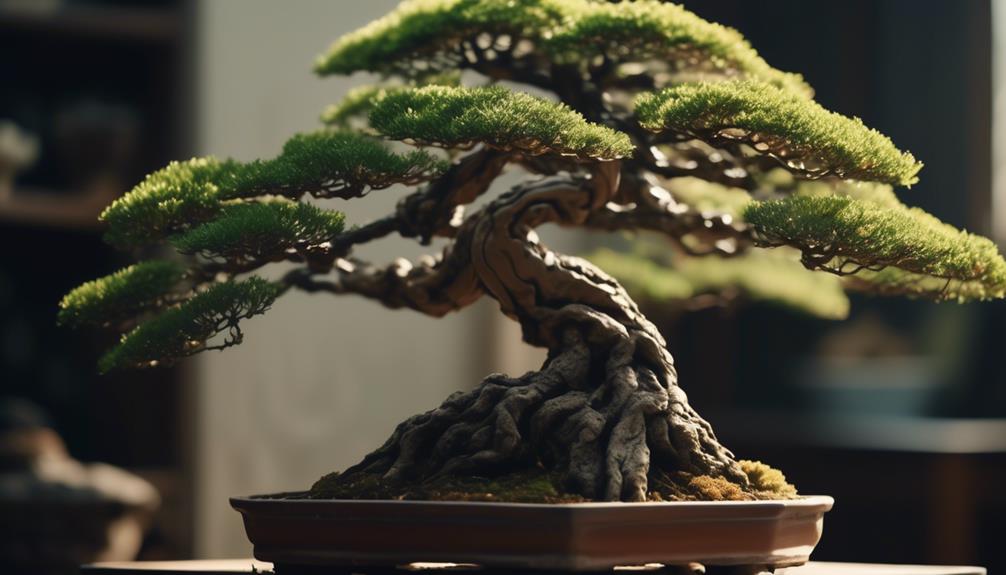
Did you know that Shaping Bonsai Trees Beautifully is not only a form of art but also a practice that has been around for centuries? It’s true! Bonsai, which originated in China and later spread to Japan, has been captivating enthusiasts with its miniature trees that reflect the beauty and harmony of nature.
Whether you are a beginner or have some experience in bonsai cultivation, this step-by-step guide will take you on a journey of transforming your bonsai tree into a work of art. From choosing the right tree to understanding shaping techniques, pruning, wiring, and aftercare, each step will be carefully explained and illustrated, allowing you to shape your bonsai tree beautifully.
So, are you ready to embark on this artistic endeavor and bring out the hidden beauty of your bonsai tree?
Choosing the Right Bonsai Tree And Shaping Bonsai Trees Beautifully
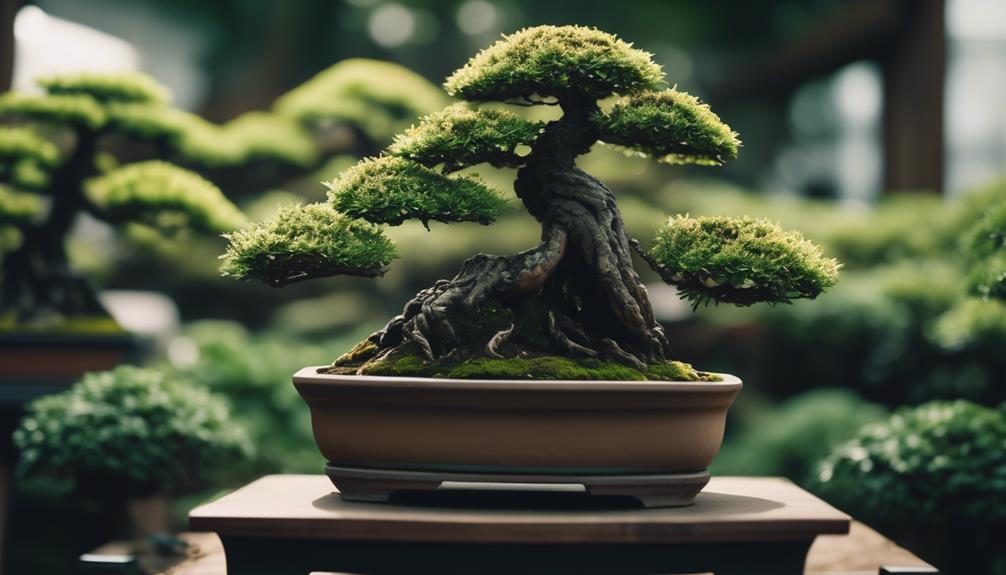
When choosing the perfect bonsai tree for your home, it’s important to consider various factors such as climate, available space, and the tree’s resilience to shaping. Bonsai trees come in a variety of species, each with its own unique characteristics and requirements. For beginners, it’s recommended to start with beginner-friendly species such as Live Juniper, Ficus, or Maple. These trees are more forgiving and easier to shape and maintain.
To achieve the desired shape of your bonsai tree, pruning plays a crucial role. Pruning involves cutting or trimming the branches and foliage to control the growth and shape of the tree. By removing excess branches, you can refine the existing shape and encourage new growth in desirable areas. It’s important to learn proper pruning techniques, which can be done through online bonsai courses or by seeking guidance from leading Bonsai experts.
In addition to pruning, wiring is another technique used to shape bonsai trees. By carefully wrapping wire around the branches, you can manipulate their position and direction, forcing the tree to grow in the desired shape. However, wiring should be done with caution to avoid damaging the tree’s delicate branches.
Regular pruning and maintenance-pruning are essential to maintain and refine the shape of your bonsai tree. This involves removing unnecessary growth, maintaining the balance between roots and foliage, and promoting the growth of new leaves. By employing the right pruning techniques, you can achieve the desired shape and maintain the overall health and beauty of your bonsai tree.
Understanding Shaping Techniques
To shape your bonsai tree effectively, it’s crucial to have a solid understanding of shaping techniques and how they can be applied to maintain the desired shape of your tree.
Pruning is one of the fundamental techniques used in shaping bonsai trees. By pruning, you can control the growth of your tree and give it its basic shape. Start by identifying the main branches that form the structure of your bonsai tree. Prune any long shoots that are growing beyond the desired shape, as they can disrupt the overall aesthetic. Additionally, remove any crossing shoots to ensure a clean structure.
Rigorous pruning is essential for shaping your bonsai tree. It helps in controlling the growth and maintaining the health of the tree.
Another important technique used in shaping bonsai trees is wiring. By wrapping wire around the branches and trunk, you can guide their growth and create visually appealing bends and curves. However, it’s crucial to be careful when using wire, as improper application can damage the tree.
Understanding shaping techniques is essential to create and maintain the desired shape of your bonsai tree. By mastering pruning and wiring, you can sculpt your tree into a work of art while ensuring its health and longevity.
Regularly review and adjust your shaping techniques based on the response of your bonsai tree. With practice and patience, you can transform your bonsai tree into a masterpiece.
Pruning for Desired Forms
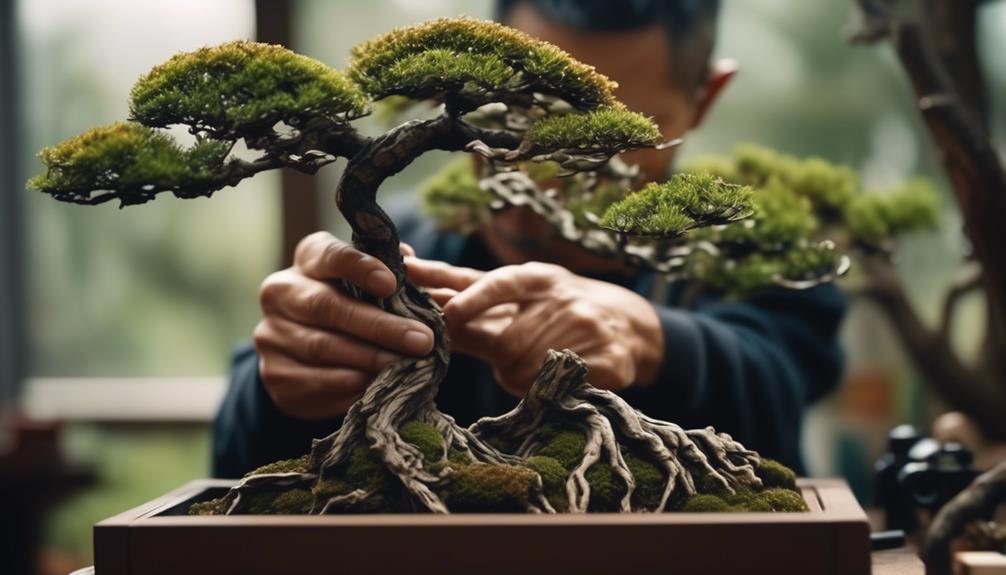
Ready to shape your bonsai tree into your desired form? Let’s delve into the art of pruning for desired forms. Pruning plays a crucial role in shaping bonsai trees and achieving the desired design. Here is a step-by-step guide to help you through the creative process:
-
- Study the bonsai’s structure: Before beginning any pruning, take the time to carefully observe the tree’s natural growth pattern. This will help you understand its main branches and maintain its overall shape.
- Identify and prune long shoots: To achieve the desired form, it’s important to identify any long shoots that are extending beyond the main branches. Prune these shoots back to the main branches, as this will help maintain the tree shape and prevent unwanted growth.
- Remove crossing shoots and excess growth: Rigorous pruning is necessary to ensure a clean and open structure. Remove any crossing shoots that may be interfering with the desired design. Additionally, prune any excess growth to maintain balance and harmony within the tree.
- Shape the foliage pad: Bonsai pruning involves carefully shaping the excess growth to create a neat foliage pad. Trim and shape the branches to achieve the desired appearance and maintain the overall aesthetic of the bonsai tree.
Wiring for Aesthetic Appeal
Now that you have pruned your bonsai tree to achieve the desired form, let’s explore the next step in shaping its aesthetic appeal: wiring.
Wiring is an essential technique used in bonsai training to guide the growth of branches and create the desired shape. By carefully wrapping wire around the branches, you can exert control over their direction and position.
When it comes to wiring for aesthetic appeal, it’s crucial to choose the right thickness and material. The wire should be sturdy enough to support the shaping process but not too thick to avoid damaging the branches. Copper or aluminum wire is commonly used due to their flexibility and strength.
Regular maintenance-pruning is necessary to prevent the wires from cutting into the branches as the tree grows. You must regularly check and adjust the wires to ensure they aren’t causing any harm. It’s essential to wire with care to avoid leaving marks or causing the branches to grow in unnatural shapes.
When wiring for aesthetic appeal, always consider the overall design and future growth of the bonsai tree. The wiring should complement the natural form and enhance its beauty.
Repotting and Aftercare
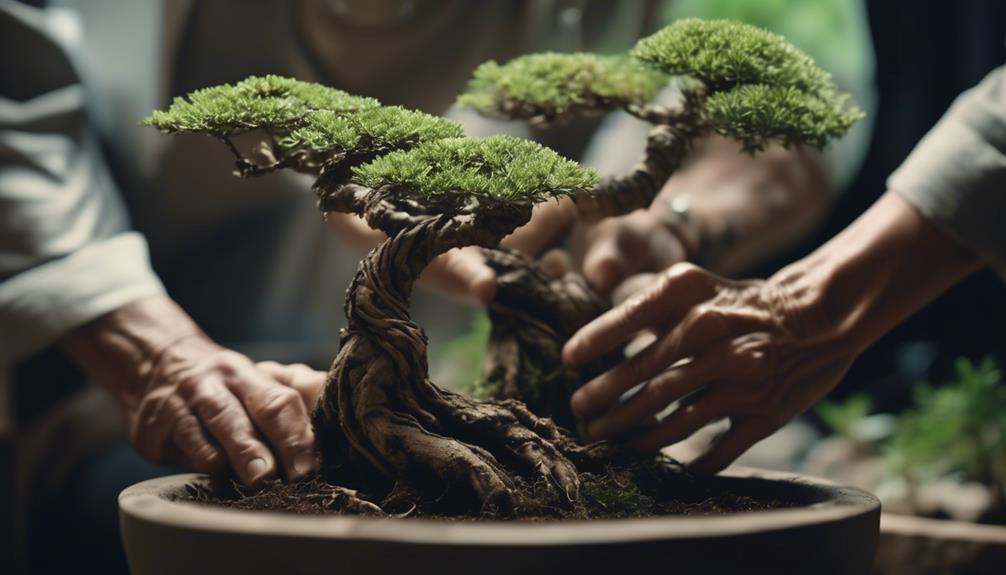
After shaping your bonsai tree through pruning and wiring, the next step in its care is repotting and aftercare. Proper repotting is essential for the health and growth of your bonsai tree. Here are some important steps and techniques to follow:
- Choose the right time for repotting: The timing of repotting depends on the tree species and its overall health. Generally, spring or early summer is the best time for repotting. Avoid repotting during the tree’s active growth period.
- Ensure proper drainage: Select a pot with adequate drainage holes to prevent waterlogging and root rot. Use a well-draining bonsai soil mix to promote healthy root growth.
- Allow for adjustment: After repotting, place the bonsai tree in a shaded area for a few weeks. This will help minimize stress and allow the tree to adjust to its new pot and soil.
- Maintain proper care: Regularly water your bonsai tree, ensuring that the soil remains moist but not overly wet. Avoid both overwatering and letting the soil dry out completely. Monitor the tree for any signs of stress or adjustment issues, and adjust your care accordingly.
Frequently Asked Questions
How Do You Make a Bonsai Look Good?
To make your bonsai look good, utilize bonsai pruning techniques, choose the right pot, wire and shape branches, enhance aesthetics with moss and rocks, use proper soil, style the tree, employ precision tools, create the illusion of age, incorporate it into indoor decor, and follow maintenance and care tips.
What Is the Rule of 3 in Bonsai Tree?
The rule of 3 in bonsai tree design means having 3 primary, 3 secondary, and 3 tertiary branches for balance and beauty. It helps create a harmonious canopy and ensures the tree’s structure remains visually appealing as it grows.
When Should I Start Shaping My Bonsai Tree?
You should start shaping your bonsai tree once it’s stable and mature. Consider the ideal techniques, choose the right tools, understand growth patterns, and avoid common mistakes. Pruning and shaping are different. Think about specific bonsai styles and factors before shaping. Be patient, time it right, and enhance its natural beauty. Seek professional advice.
What Is the Hardest Bonsai Style?
The hardest bonsai style is the ‘Bunjin’ or literati style. It challenges you with its complexity and requires mastering challenging techniques. Expert opinions say it pushes boundaries and inspires artists to achieve perfection by breaking through limitations.
Conclusion
In conclusion, shaping bonsai trees beautifully requires a deep understanding of various techniques. These techniques include Jin and shari, Uro, layering, and grafting. By carefully selecting the right bonsai tree and employing these advanced techniques, you can create age, character, and a natural appearance in your bonsai.
Remember to regularly prune, wire, and repot your bonsai tree for optimal aesthetic appeal. These maintenance practices help to maintain the desired shape and overall health of the tree. With experience and knowledge, you can transform your bonsai into a true work of art.