
Are you tired of feeling stressed every time you attempt to repot your bonsai tree for Tips for Repotting Bonsai Trees?
Picture this: you carefully select the perfect new pot, gather all the necessary supplies, and confidently begin the repotting process.
With the right guidance, you can transform this potentially nerve-wracking task into a stress-free experience.
In this discussion, we will explore a variety of tips and techniques to help you navigate the repotting process with ease and ensure the health and vitality of your bonsai tree.
So, take a deep breath, relax, and let’s dive into the world of stress free repotting for bonsai trees.
Timing for Repotting Bonsai Trees and Tips for Repotting Bonsai Trees
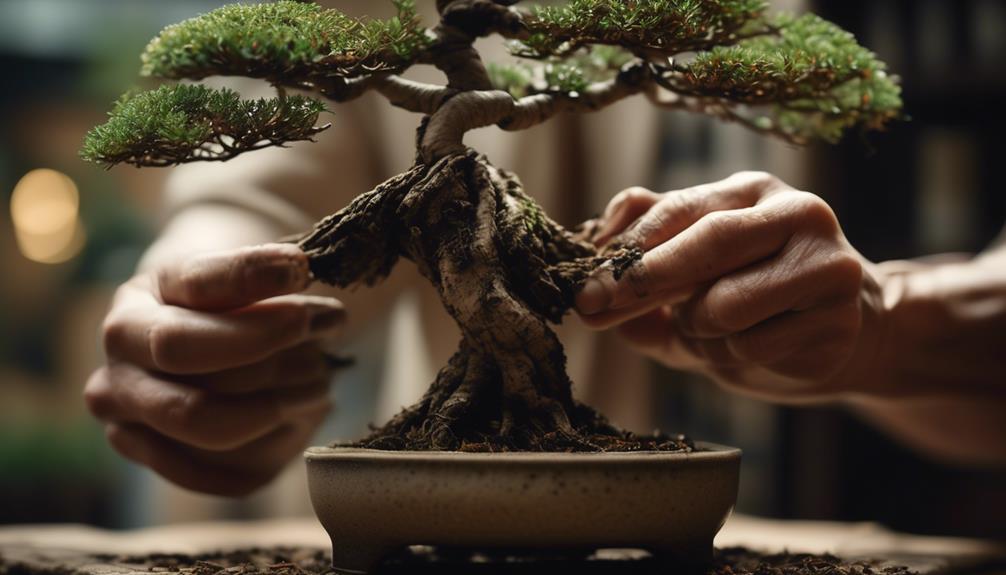
Now is the perfect time to determine the ideal timing for repotting your bonsai trees, as it can greatly impact their overall health and growth.
The timing for repotting bonsai trees depends on several factors, including the type of tree species, the condition of the root system, and the desired outcome.
For temperate climate plants, it’s best to repot before bud expansion, as they initiate new roots during this time. Keep an eye out for changes in bud size or color, as it can be a clue that repotting is necessary.
Northern conifers can be repotted earlier if the soil isn’t frozen, while tropical bonsai trees respond best to repotting when temperatures are near or above 70 degrees.
After repotting, it’s important to provide proper aftercare, including protection from freezing temperatures.
When repotting, ensure that the bonsai soil is well-draining and provides adequate nutrients for the tree. Root pruning should also be performed during repotting to encourage the growth of a healthy root system.
Additionally, selecting the right pot size and shape is crucial for the overall health and aesthetics of the bonsai tree.
Proper Pot Selection for Repotting
To ensure the overall health and aesthetics of your bonsai tree, selecting the proper pot for repotting is essential. When it comes to choosing the right pot, there are a few factors to consider that will contribute to the success of your bonsai tree.
- Size: Select a pot that provides enough room for root growth without being excessively large. The pot should be slightly larger than the existing pot, allowing the roots to spread comfortably.
- Shape: Consider the shape of the pot to complement the style and aesthetics of your bonsai tree. Whether it’s rectangular, oval, or round, the pot shape should enhance the overall visual appeal of your bonsai.
- Color: Choose a pot color that enhances the presentation of your bonsai. The color should harmonize with the tree’s foliage and overall design, creating a visually pleasing composition.
In addition to these considerations, ensure that the pot has proper drainage holes to prevent waterlogging. Adequate drainage is crucial for the health of your bonsai tree as it prevents the roots from sitting in overly wet soil.
Lastly, select a pot material that’s suitable for your bonsai species and climate. Different materials such as ceramic, plastic, or clay have varying levels of water retention and insulation properties.
Step-by-Step Guide for Repotting Bonsai Trees

When repotting your bonsai tree, it’s important to follow a step-by-step guide to ensure successful and healthy transplanting.
Start by selecting a new pot that’s slightly larger than the current one, allowing room for the roots to grow.
Carefully remove the bonsai tree from its pot, gently loosening the soil around the edges. Inspect the roots for any signs of rot or disease, and trim away any damaged or excessively long roots.
Place a layer of fresh soil in the bottom of the new pot, ensuring that it covers the drainage holes. Position the tree in the pot, making sure that it’s centered and at the desired height.
Fill the remaining space with soil, gently pressing it down to secure the tree in place.
Water the bonsai thoroughly, allowing the water to drain out of the bottom of the pot. This will help settle the soil and remove any air pockets.
Finally, place the repotted bonsai tree in a location with appropriate light and temperature conditions to promote new growth and ensure the health of the tree.
Inspecting and Pruning Bonsai Roots
As you continue the process of repotting your bonsai tree, the next important step is to thoroughly inspect and prune the roots for optimal health and growth. Properly inspecting the roots is crucial for the overall health of your tree. Here are some stress-free tips to help you with inspecting and pruning the bonsai roots:
- Check for tangled, circling, or rotting roots: Carefully examine the roots to ensure they aren’t tangled or circling around the root ball. If you notice any rotting roots, it’s important to remove them to prevent further damage to the tree.
- Trim dead or overly long roots: Pruning the roots is essential for maintaining a healthy and compact root system. Trim any dead or overly long roots to encourage new root growth and prevent overcrowding in the pot.
- Assess the overall health of the roots: Look for signs of disease, decay, or overgrowth. If you notice any issues, take appropriate measures to address them before repotting the bonsai.
Remember to evaluate the soil around the roots as well. Check if it needs to be replaced and ensure that the new soil has proper drainage.
Essential Tips for Post-Repotting Care

After repotting your bonsai tree, it’s crucial to provide essential post-repotting care to ensure its recovery and continued health.
One important aspect of post-repotting care is to monitor the tree’s recovery and health. This can be done by regularly observing the tree and checking for any signs of stress or disease.
Additionally, proper watering is essential during this time. Make sure to water the tree thoroughly, but avoid overwatering as this can lead to root rot.
Another tip is to cover the drainage holes with mesh or a small piece of plastic to prevent soil from escaping while still allowing water to drain.
When re-potting your bonsai, it’s important to use a bonsai substrate that provides adequate drainage while still retaining moisture. This will help promote the development of new roots and prevent waterlogged soil.
It’s also crucial to anchor the tree securely in its new pot to ensure stability. This can be done by gently pressing the soil around the roots and using wire or bonsai clips to hold the tree in place.
The best time to re-pot your bonsai is during its dormant period, which is usually in early spring or late winter. This is when the tree is less active and is better able to handle the stress of repotting.
Frequently Asked Questions
When Should You Not Repot a Bonsai Tree?
You should not repot a bonsai tree during the hot summer months, when it’s unhealthy or stressed, in winter when it’s dormant, after major stress, or during flowering or fruiting.
How Often Do You Water a Bonsai Tree After Repotting?
After repotting a bonsai tree, water it thoroughly and then monitor soil moisture levels. Only water when the top layer feels slightly dry. Adjust the watering frequency based on season and environmental conditions. Avoid overwatering to prevent stress.
How Do You Report an Indoor Bonsai Tree?
To report an indoor bonsai tree, start by gathering essential tools like pruning shears and a root rake. Choose the right soil mix for indoor bonsai, prune the roots carefully, and maintain humidity levels. Avoid common mistakes like overwatering and ensure proper drainage to prevent root rot.
Why Is My Bonsai Tree Dying After Repotting?
If your bonsai tree is dying after repotting, it could be experiencing transplant shock. Check for signs of stress like slow growth and exposed roots. Consider factors like proper soil mixture and pot size. Take steps to reduce stress, such as pruning and preventive measures against pests and diseases.
Conclusion
In conclusion, by following these stress-free tips for repotting bonsai trees, you can ensure a successful and healthy transition for your tree.
Remember to choose the right time for repotting, gather all necessary supplies, carefully inspect and trim the roots, and provide proper aftercare.
By taking these steps, you can minimize the stress associated with repotting and help your bonsai tree thrive in its new pot.
Happy repotting!