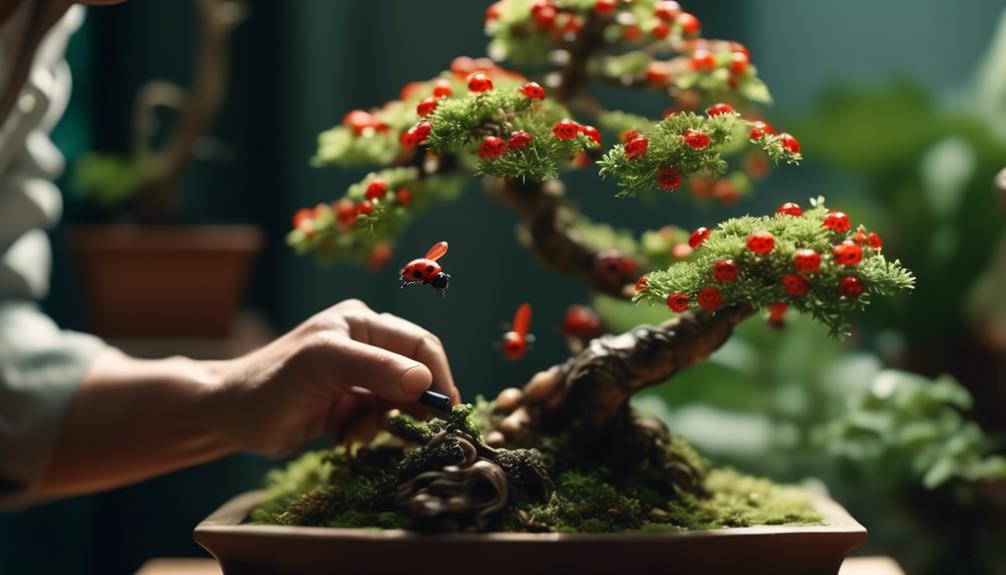
Did you know that Effective Ways to Protect Bonsai Trees From Pests and Diseases pests and diseases can cause significant damage to bonsai trees, affecting their overall health and aesthetics. It’s important to take proactive measures to protect your beloved bonsai from these potential threats.
But where should you start? In this discussion, we will explore effective ways to safeguard your bonsai trees from pests and diseases.
From regular inspections and early detection to natural pest control methods and creating a healthy environment, we will uncover practical strategies that will help you keep your bonsai thriving and pest-free.
So, let’s dive into the fascinating world of bonsai care and discover how to safeguard your miniature masterpieces.
Regular Inspection and Early Detection And Protect Bonsai Trees
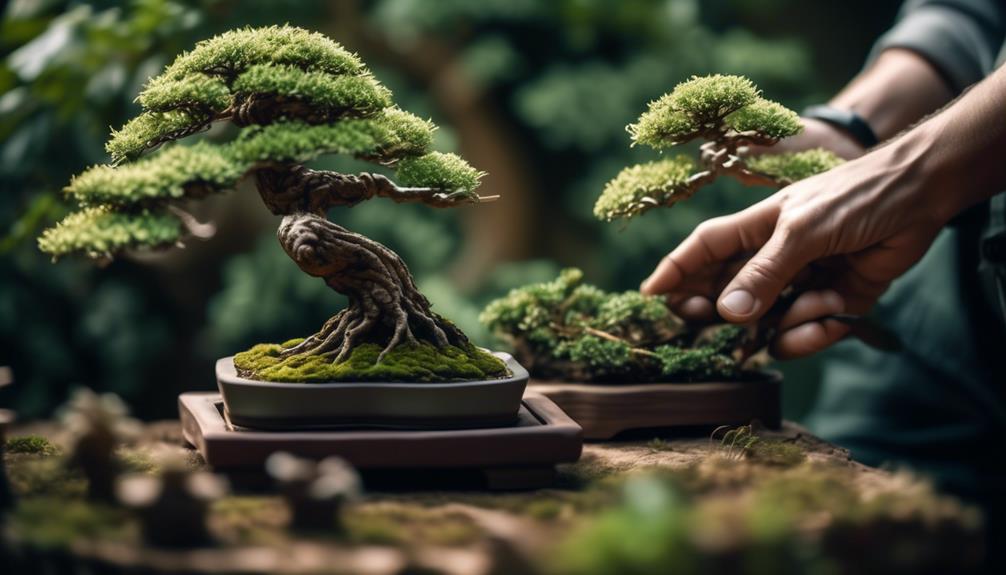
Regularly inspect your bonsai trees for signs of pests and diseases to ensure their health and prevent further damage. Early detection is crucial in maintaining the well-being of your bonsai. During these inspections, pay close attention to visible signs such as wilting, discoloration, or unusual growth patterns. By keeping an eye out for common pests like mealy bugs, spider mites, scale insects, and aphids, you can catch infestations before they become severe.
Inspect the leaves, branches, and trunk of your bonsai for any signs of pests. Mealy bugs are small, white insects that leave a cotton-like residue on the plant. Spider mites can be identified by the fine webbing they create on the leaves. Scale insects appear as small, brownish bumps on the branches, while aphids can be recognized by their green or black color and their tendency to cluster in groups.
In addition to pests, also be on the lookout for diseases. Black spots on the leaves may indicate a fungal infection while yellowing or browning of the foliage could be a sign of root rot. By conducting regular inspections and promptly addressing any issues, you can ensure the long-term health and vitality of your bonsai trees.
Proper Watering and Drainage Techniques
To maintain the health and vitality of your bonsai trees, it’s essential to implement proper watering and drainage techniques, ensuring that waterlogging is avoided and pests aren’t attracted.
Water plays a crucial role in the well-being of bonsai trees, but it can also create problems if not managed correctly. When watering your bonsai, it’s important to strike a balance between providing enough moisture for the tree’s needs and preventing excess water from pooling around the roots.
One way to achieve this balance is by using well-draining soil and pots with adequate drainage holes. These measures allow excess water to escape, preventing water stagnation and the development of fungal infections that can harm your bonsai. Additionally, regularly monitoring the moisture level of the soil is crucial.
Overwatering can drown the roots, leading to root rot and attracting insects, while underwatering can cause the leaves to turn yellow and the tree to weaken, making it more susceptible to pests and diseases.
Natural Pest Control Methods
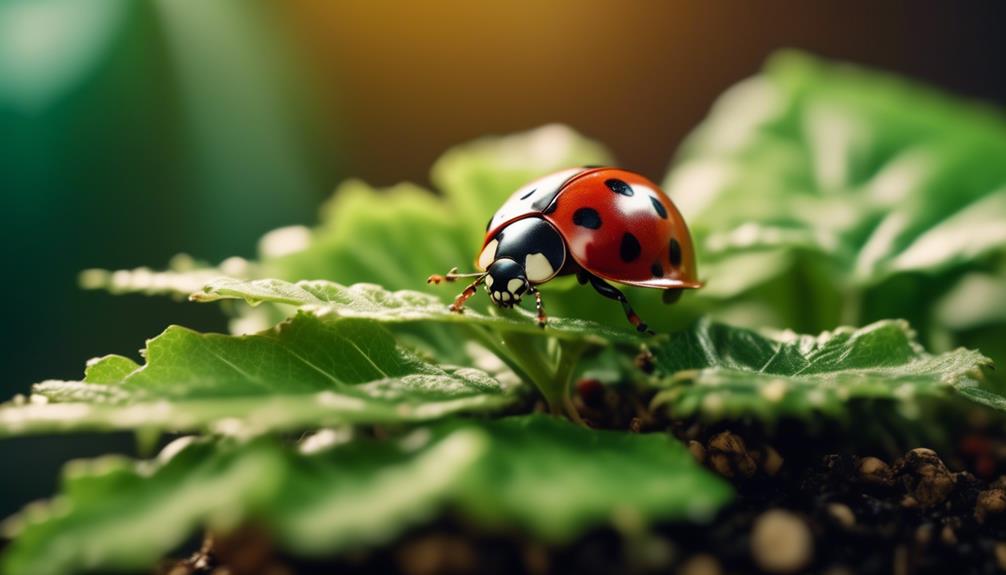
Natural pest control methods offer effective and environmentally friendly solutions for protecting your bonsai trees from pests and diseases.
When it comes to bonsai trees, there are some common pests to look out for. Aphids are small, sap-sucking insects that can cause leaves to turn yellow and curl. Spider mites are another common bonsai pest that can leave brown spots or webbing on the leaves.
To combat these pests, you can introduce natural predators like ladybugs, lacewings, and predatory mites to your bonsai garden. These beneficial insects will feast on the pests, keeping their numbers in check.
Another natural pest control method is companion planting. By planting aromatic herbs like basil, mint, and lavender near your bonsai trees, you can repel pests and attract beneficial insects.
Insecticidal soaps and oils made from natural ingredients like neem oil or garlic are also effective in suffocating and deterring pests. Simply mix the solution with water and spray it on the affected areas.
Physical barriers like sticky traps or diatomaceous earth can also be used to physically hinder and capture pests.
These methods are safe for your bonsai trees and the environment, ensuring that you have a healthy and pest-free garden.
Proper Pruning and Plant Maintenance
Are you ready to learn the key to maintaining the health and vitality of your bonsai trees? Proper pruning and plant maintenance plays a crucial role in protecting your bonsai trees from pests and diseases.
Regular pruning helps prevent infestations by removing weak or damaged parts of the tree that may attract pests. By getting rid of these vulnerable areas, you can significantly reduce the risk of pests and diseases taking hold.
Pruning also improves the overall health of your bonsai trees. When you prune, you promote healthy growth by removing dead or dying branches, allowing the tree to redirect its energy toward new growth. This not only helps the tree look more aesthetically pleasing, but it also enhances its ability to fight off pests and diseases.
During your regular maintenance routine, make sure to inspect your bonsai trees carefully. Look for any visible signs of pests or diseases, such as discoloration, wilting, or abnormal growth. Early detection is key, as it allows you to take prompt action and prevent further damage.
Understanding the specific pruning needs of your bonsai tree species is vital. Different trees require different pruning techniques and schedules. By familiarizing yourself with the specific requirements of your bonsai tree, you can ensure that you’re pruning it correctly and maintaining its health and vigor.
Creating a Healthy and Balanced Environment
Creating a healthy and balanced environment for your bonsai trees is essential for their overall well-being and protection against pests and diseases.
To ensure your trees stay healthy, it’s important to maintain proper hygiene. Keep your bonsai plants well spaced and free from dust, as pests and diseases thrive in unclean environments.
Regularly water your bonsai trees, making sure they receive the right amount of moisture. Additionally, provide them with the necessary nutrients by fertilizing them appropriately.
Access to sufficient light is also crucial for their well-being. Be vigilant about preventing stress in your bonsai plants, as bugs tend to attack stressed plants first.
If you notice any signs of pest infestation, isolate the infested plants promptly to prevent the spread of diseases and bugs. Maintain a clean and healthy work area, separating healthy trees from diseased or infested ones.
Regularly inspect your bonsai trees for any signs of pests or diseases. Look for symptoms such as visible damage or pests that suck the sap from the leaves. Knowing what to look for will help you take immediate action and prevent any potential issues from affecting the health of your bonsai trees.
Frequently Asked Questions
How Do You Protect a Bonsai Tree?
To protect your bonsai tree, you need to follow proper watering techniques, choose popular varieties, learn pruning tips, provide adequate sunlight, fertilize correctly, repot as needed, and practice natural pest control methods.
How Do I Keep My Bonsai Tree Healthy?
To keep your bonsai tree healthy, water it properly, apply fertilizer regularly, prune it correctly, use the right soil, provide adequate sunlight, control humidity levels, repot it correctly, protect it from extreme temperatures, and identify and treat nutrient deficiencies.
How Do You Treat a Bonsai Tree Disease?
To treat bonsai tree diseases, you can start by identifying common diseases and practicing disease prevention. Natural remedies, such as neem oil for fungal infections, can be effective. Pruning and sterilization, proper soil management, and quarantine measures also play a crucial role in disease control.
What Is the Best Insecticide for Bonsai Trees?
The best insecticide for bonsai trees depends on the specific pest you’re dealing with. Consider using organic alternatives, natural repellents, and integrated pest management techniques. Safe insecticides, environmentally friendly solutions, and beneficial insects can also help.
Conclusion
In conclusion, protecting bonsai trees from pests and diseases requires regular inspection, early detection, and immediate action. Utilizing methods such as White Oil, Conguard, Lime Sulphur, and natural solutions like soap and seaweed sprays can effectively control infestations.
Maintaining proper hygiene, providing adequate care and nutrition, and seeking advice from experienced bonsai enthusiasts are also essential.
By following these measures, bonsai enthusiasts can ensure the health and longevity of their cherished trees.